Bicycle racks – single tier
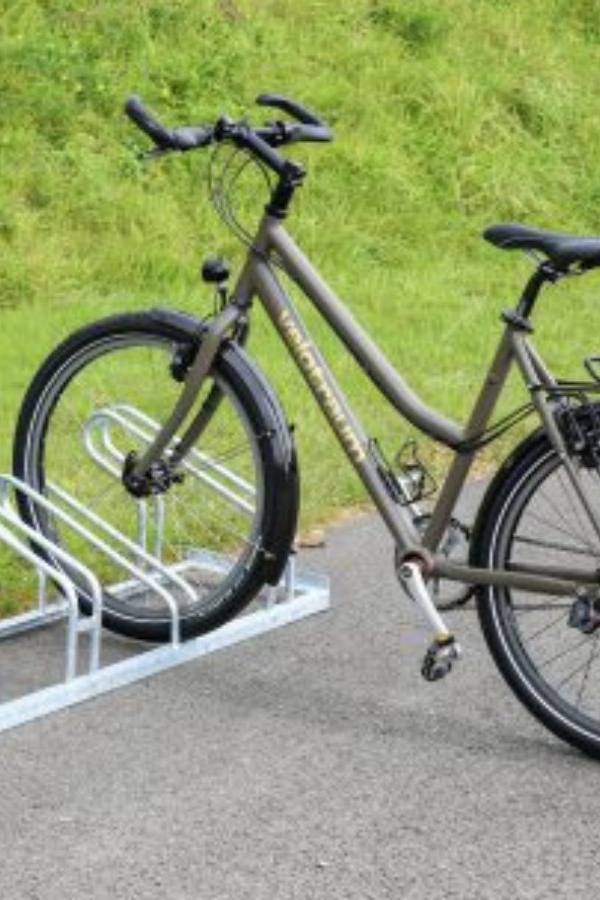
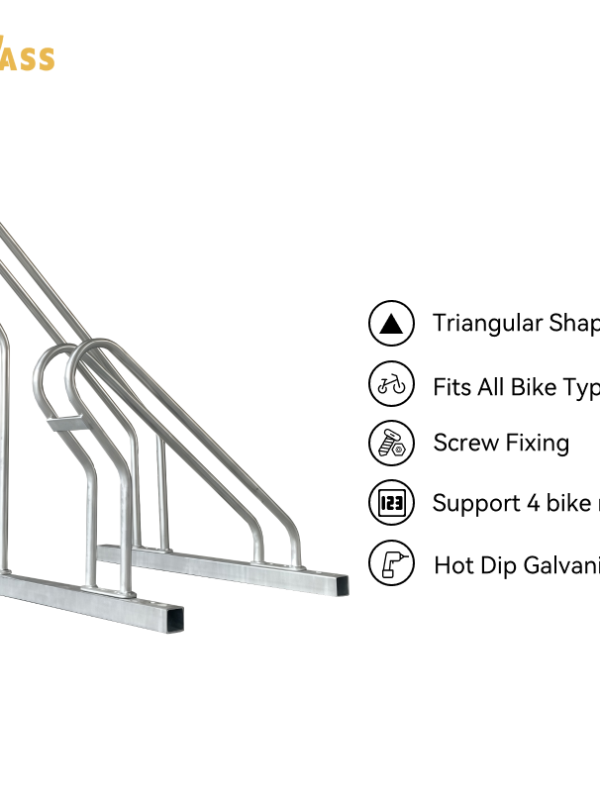
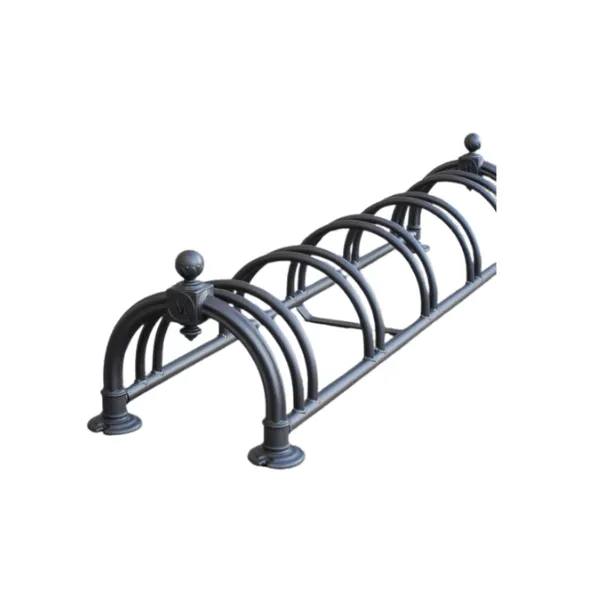
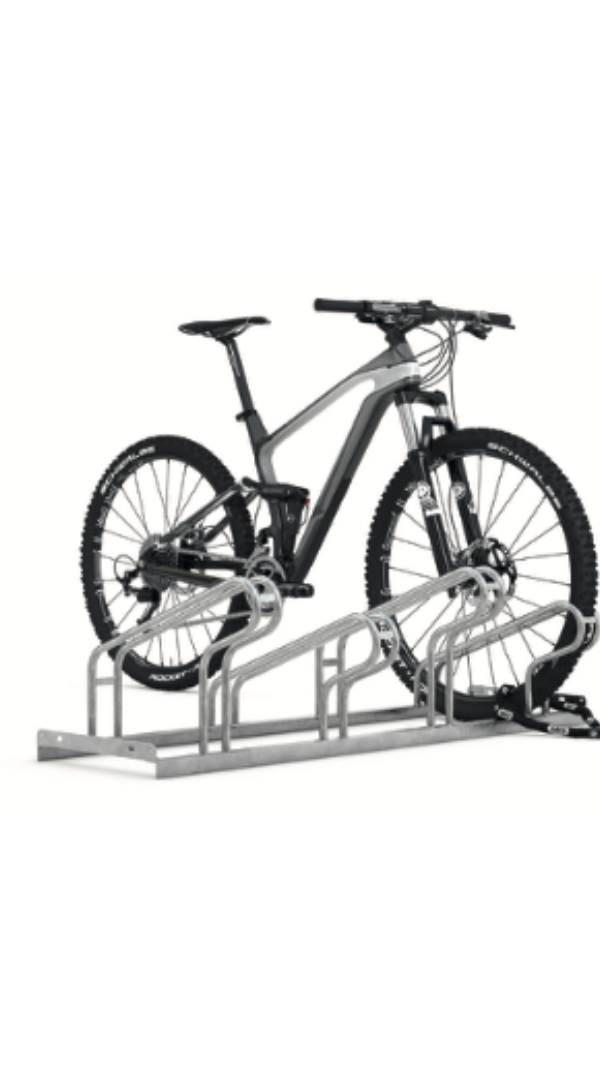
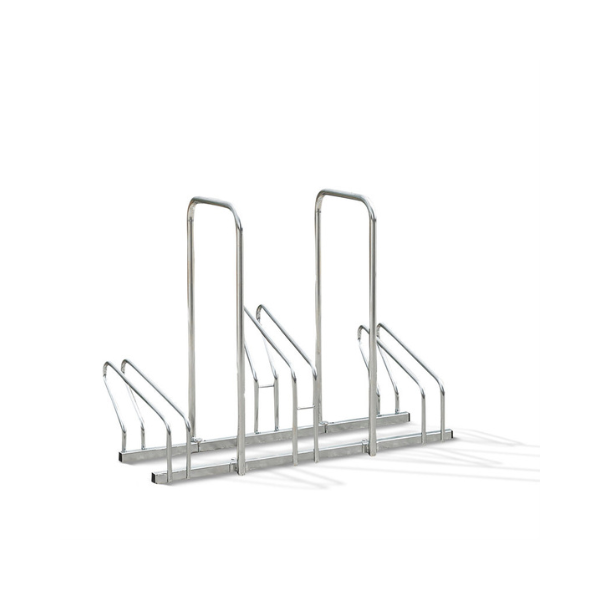
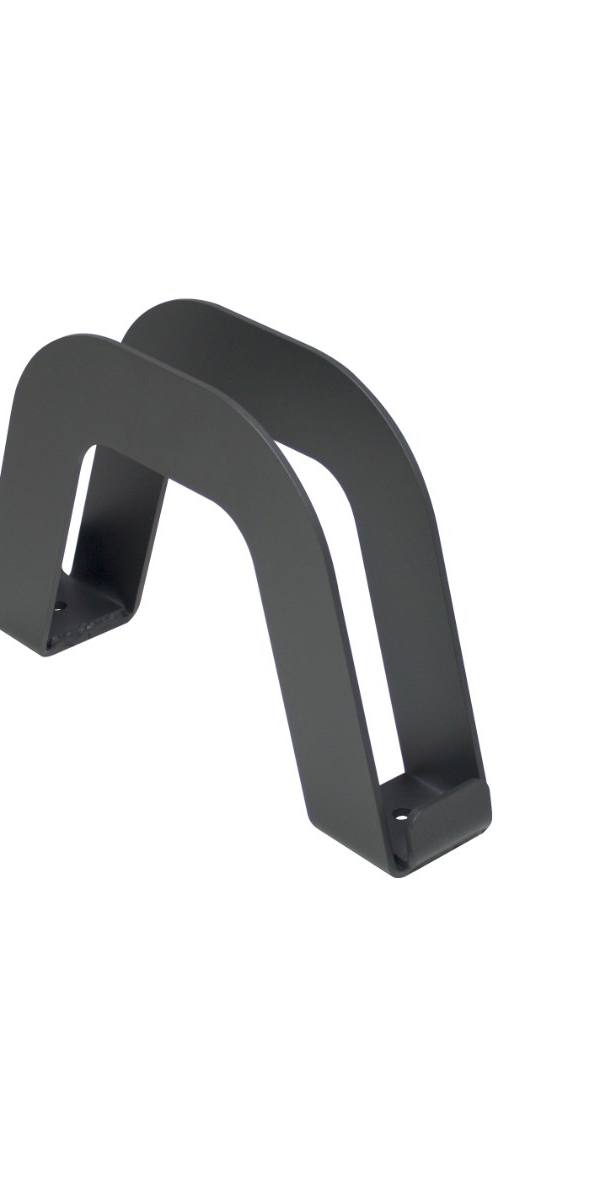
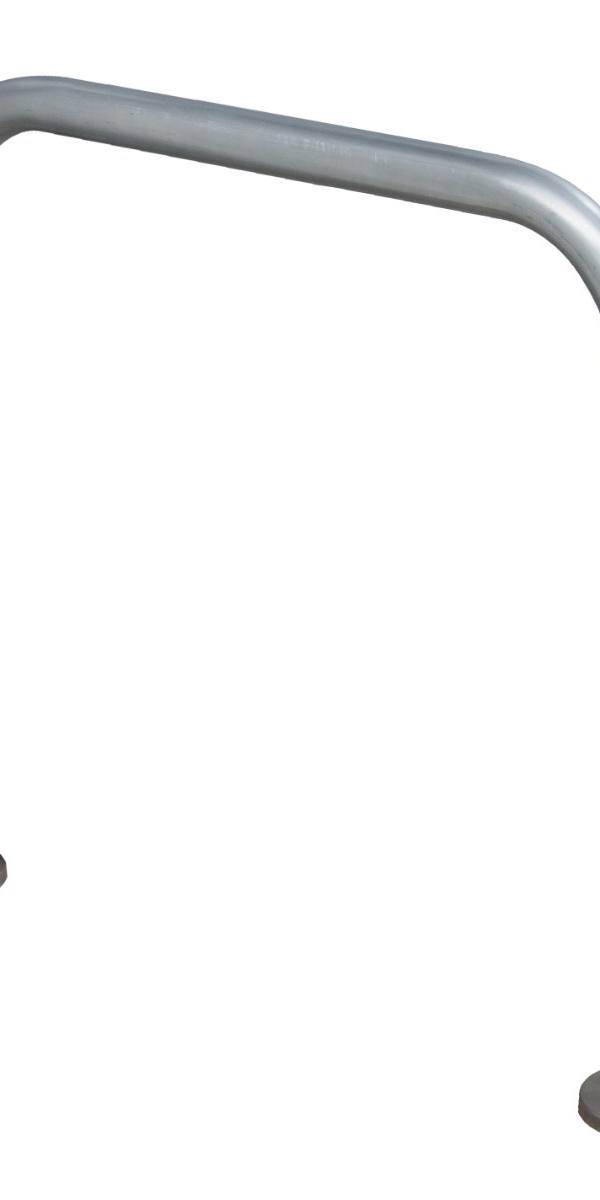
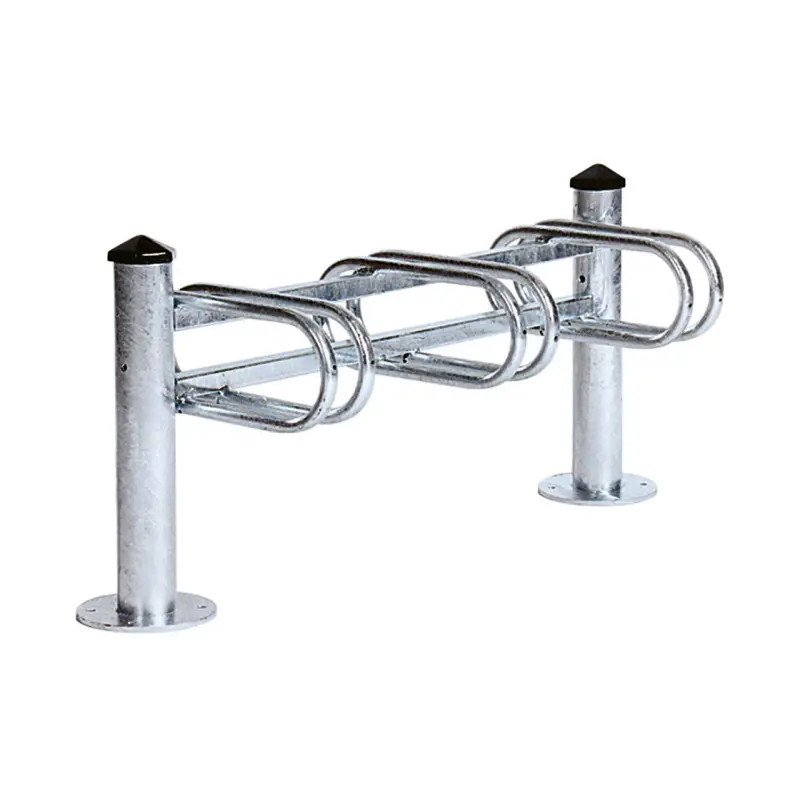
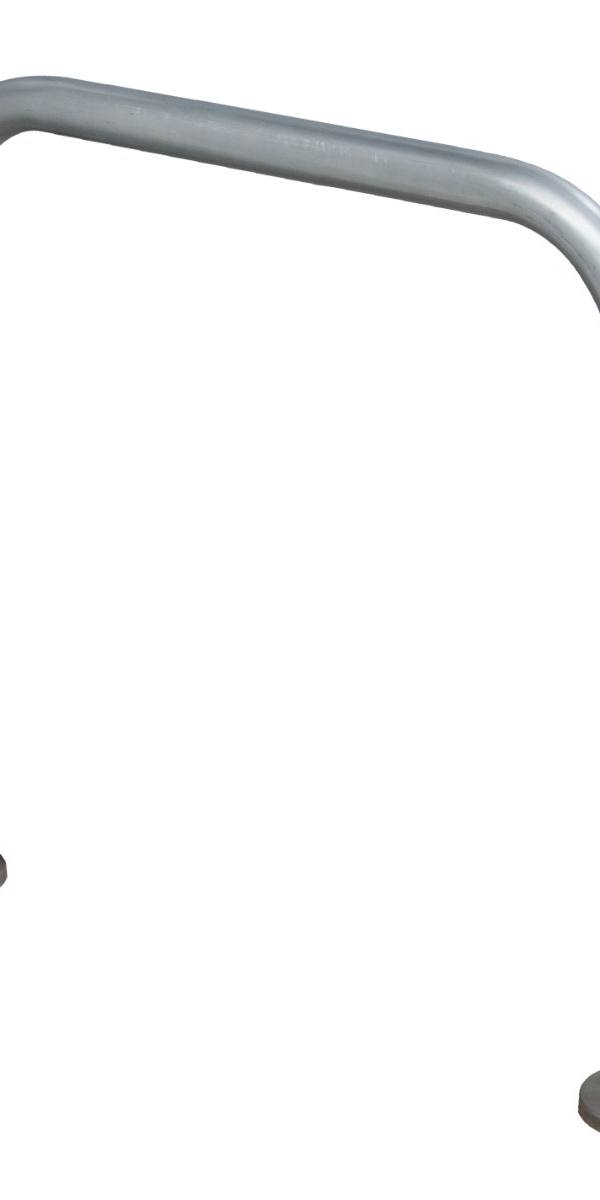
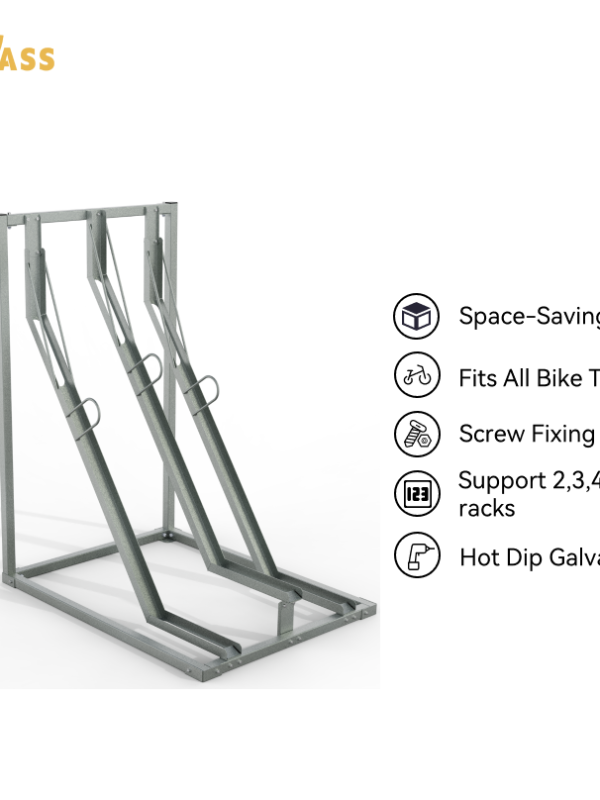
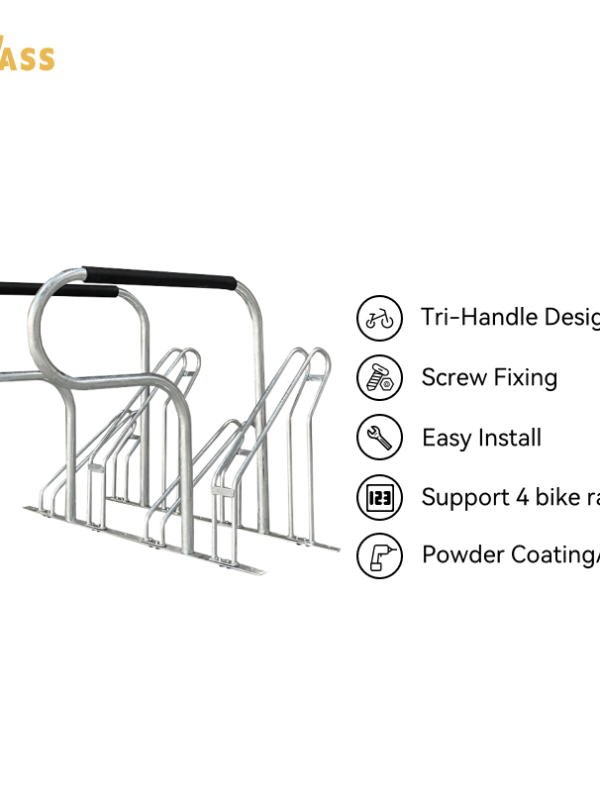
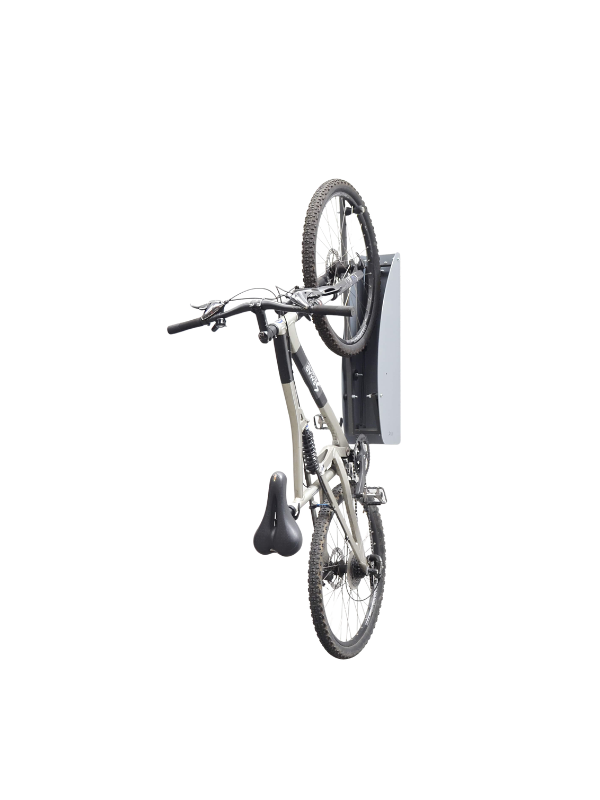
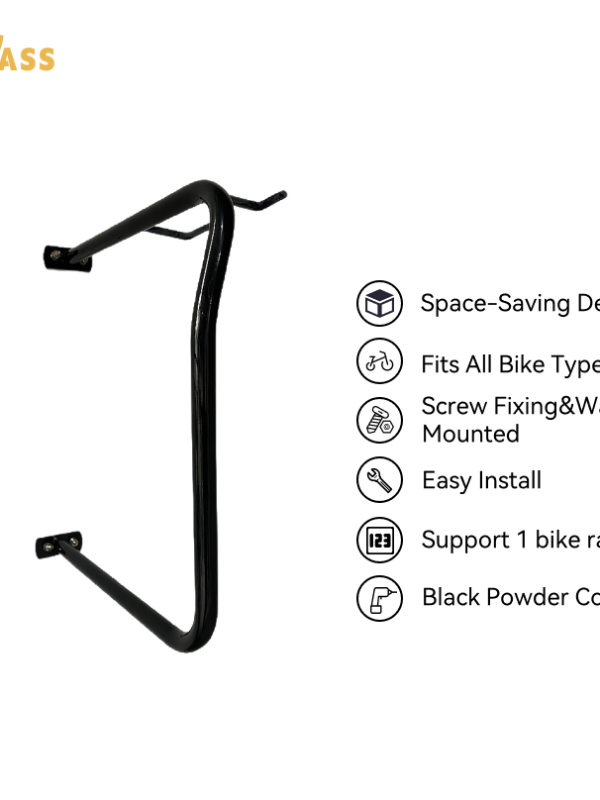
Bikes stand side by side on one level. Comfortable and suitable for every bike — including cargo bikes and heavy e-bikes. The choice when you have the space.

Choosing between single and two-tier is a choice between ease of use and floor area. If you have the space, take single tier — it is more comfortable, certainly with heavier e-bikes. If space is short, a two-tier system doubles your capacity on the same floor.
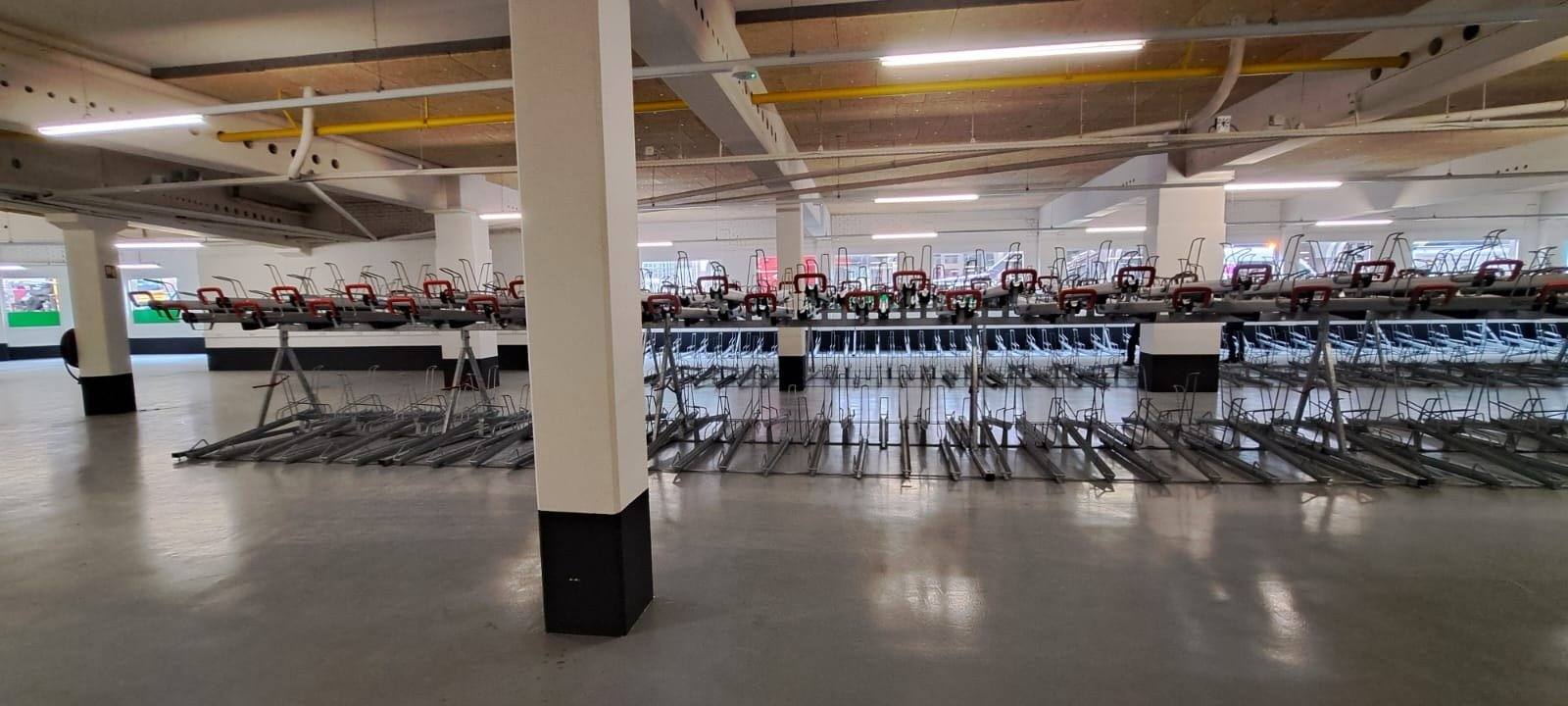
Bikes stand side by side on one level. Comfortable and suitable for every bike — including cargo bikes and heavy e-bikes. The choice when you have the space.

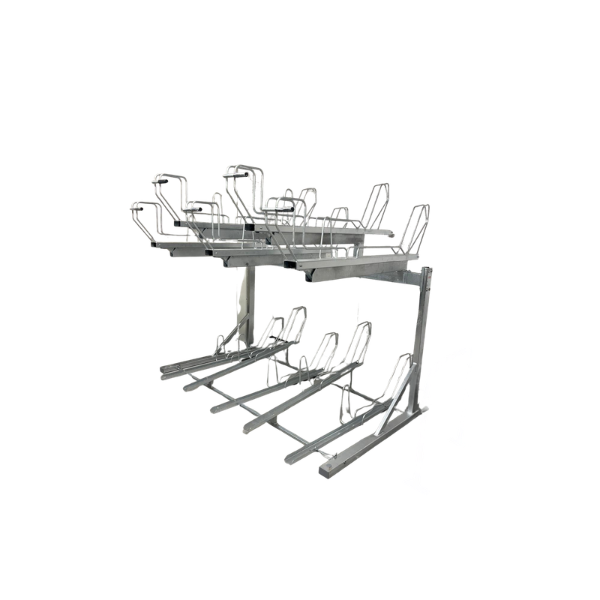
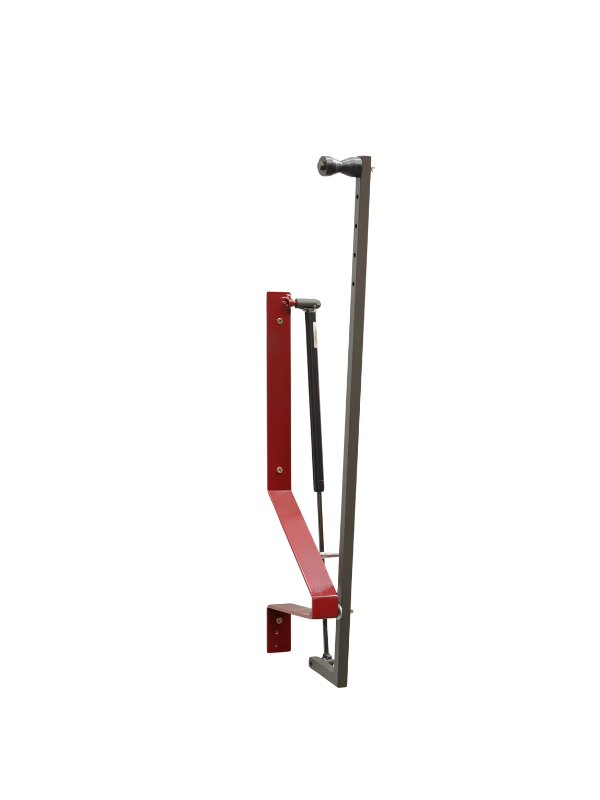
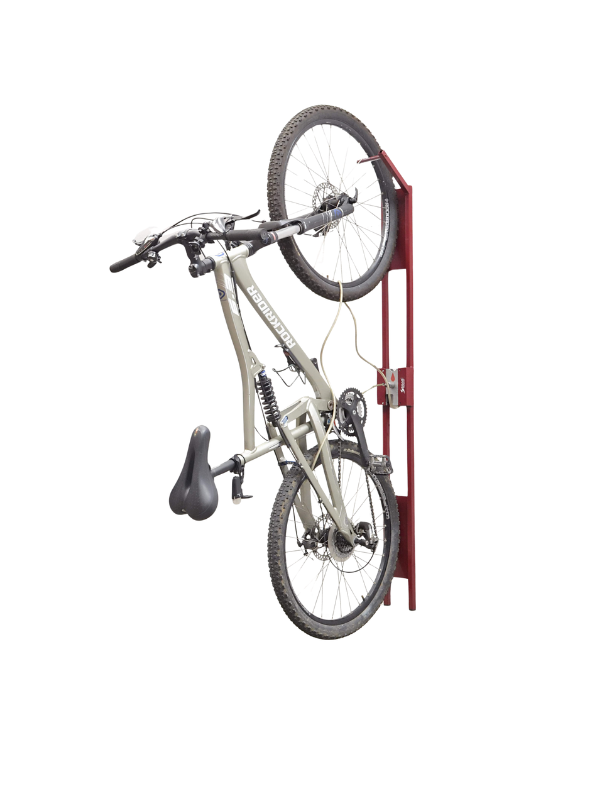
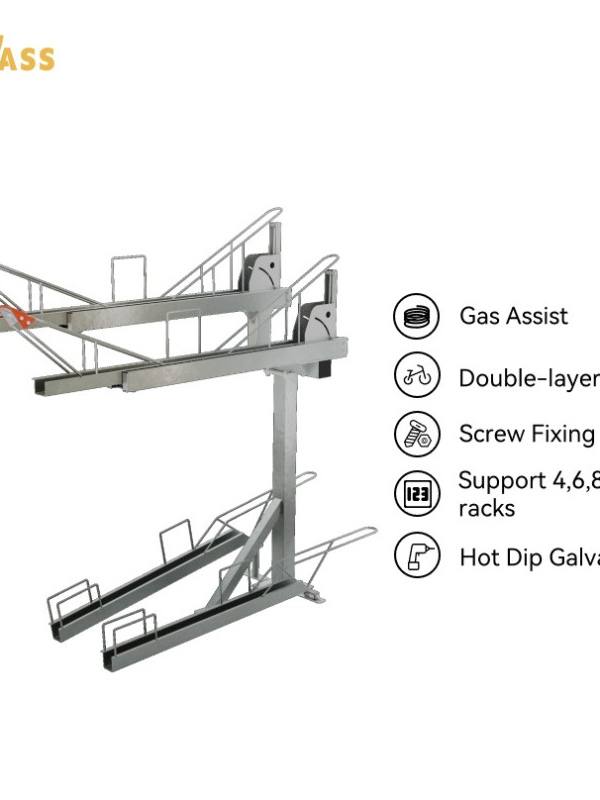
Two levels stacked, with gas springs that bring the upper tier down. Doubles capacity on the same footprint. For stations, schools and car parks where space is scarce.






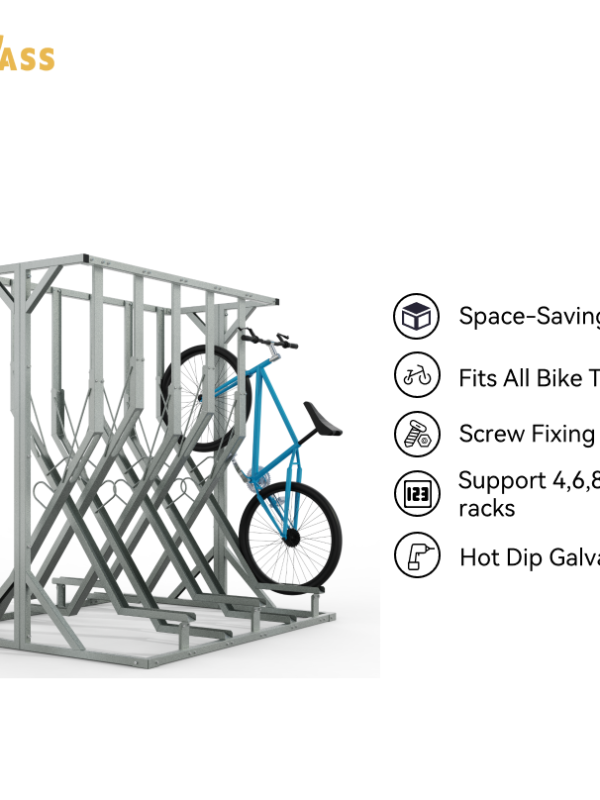
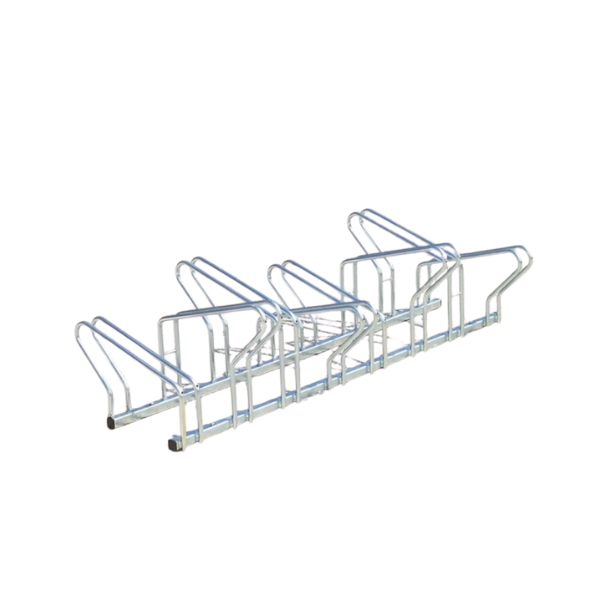
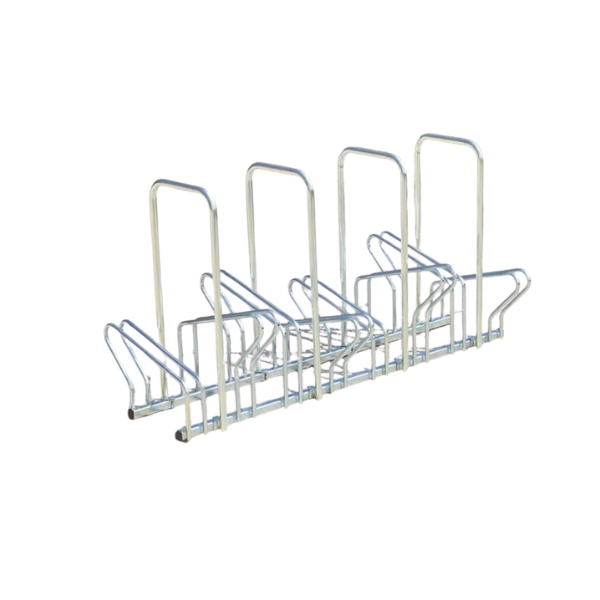
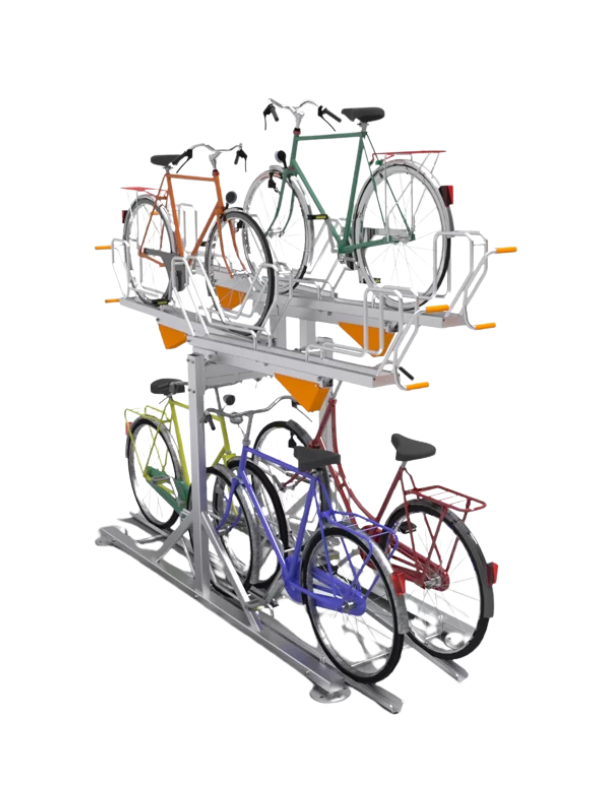
From first sketch to maintenance — one partner who handles everything in-house.
You call one number. We measure, design, produce, install and maintain. No fragmented responsibility, no waiting on subcontractors pointing at each other.
A 3D visualisation of your own façade or space, by day and by night. We only start producing once that image is right. No surprises afterwards.
Custom work from our own workshops, without intermediaries. That means a shorter lead time, a sharper price, and changes that are genuinely still possible.
ISO 9001 and ISO 14001. Colourfast, weather-resistant materials and energy-efficient LED lighting. With long-term service and maintenance.
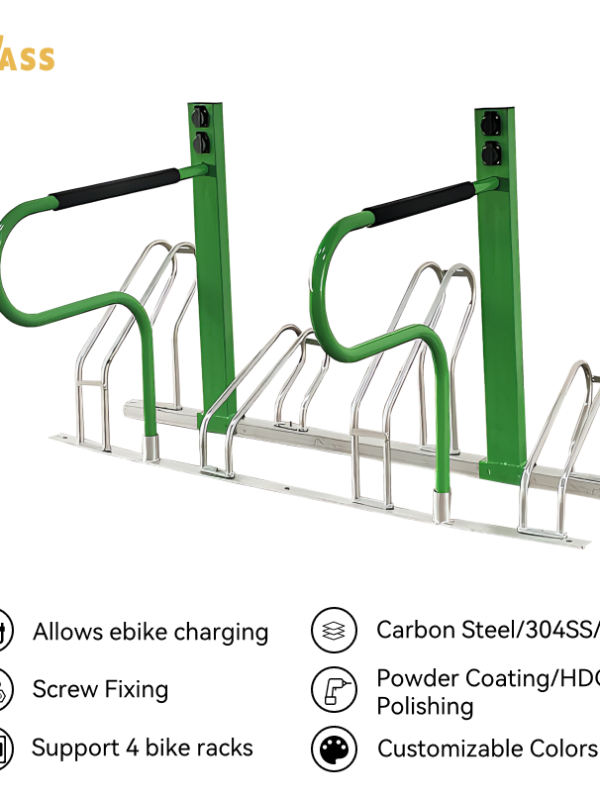
The choice starts with the space available. A single-tier rack puts the bikes side by side on one level: simple, low maintenance and usable by everyone, including anyone with a heavy bike or an e-bike.
A two-tier system stacks in two levels, with the upper row coming down on a sliding rail. It doubles the capacity on the same floor area. That is why you see it at stations and at large schools, where ground is scarce and the number of bikes is not.
Anyone searching for bike rack, cycle stand, cycle parking, bike parking system or lean-to rack ends up in this family.
In most racks the spaces sit at alternating heights: one bike high, the next one low. That is not an aesthetic choice but a practical one. Handlebars and pedals of bikes standing next to each other otherwise catch on one another, and then a rack with ten spaces has six usable ones.
So when you work out capacity, do not count the number of hoops but what actually fits in practice, certainly with the wider handlebars and fatter tyres of today.
This is the biggest shift of recent years. E-bikes are heavier, which makes two-tier harder without gas-strut assistance. Cargo bikes simply do not fit a standard rack: they need a separate space, wider and longer.
For cargo bikes we supply adapted cycle stands: wider hoops with enough room between them, where a cargo bike or a long bike can be locked by the frame. That is something other than a bike locker or an enclosed cargo-bike box, it is the simple, robust solution that is enough in most public locations. Allow roughly the space of two ordinary bikes per cargo bike, and take account of a wider turning circle when riding in.
Anyone designing cycle parking today without thinking about those two is building a facility that will stand half empty in five years while the bikes lie on the ground beside it.
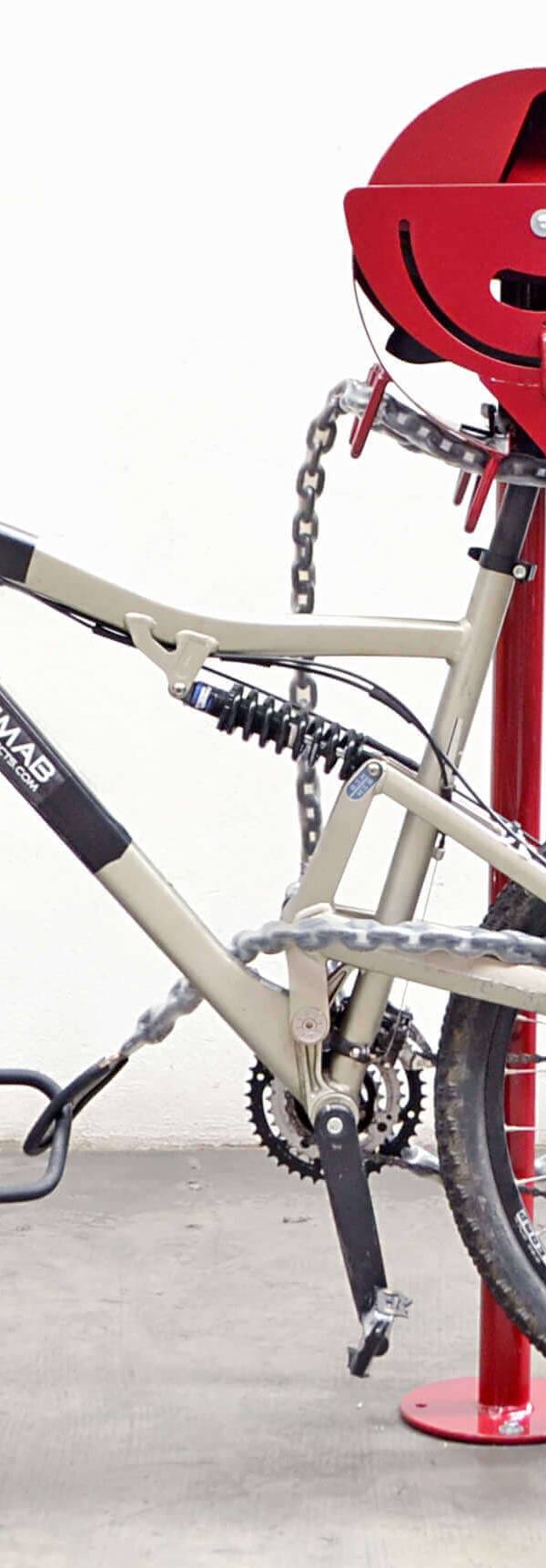
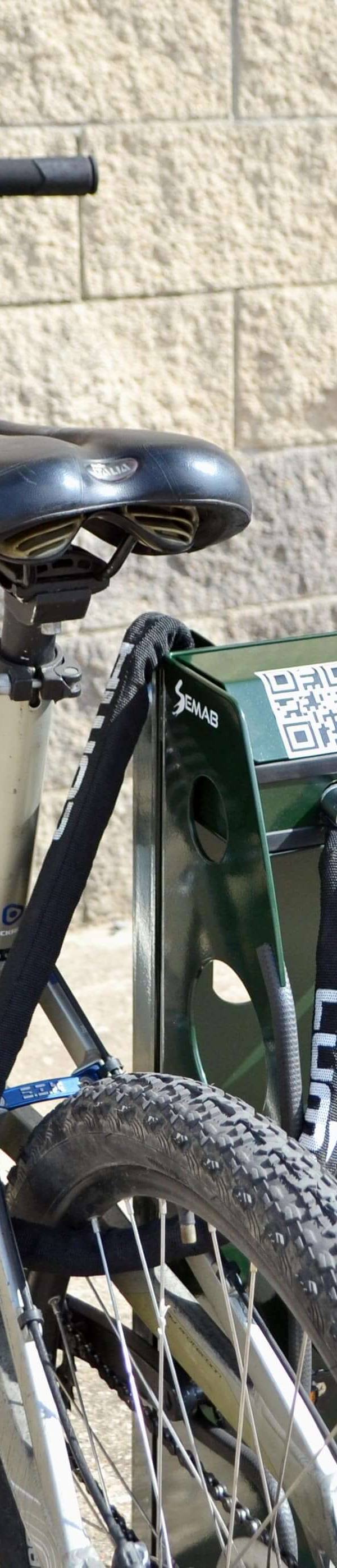
A good rack lets you secure the frame, not just the front wheel. A hoop you can get a chain lock around is more theft resistant than a slot that only takes the wheel, and it also protects against the buckled front wheel that results when someone walks into a parked bike.
Hot-dip galvanised steel is the standard outdoors: it does not rust through and lasts for decades, even without maintenance. Powder-coated steel is chosen when the colour has to match the rest of the street scene or the building. Stainless steel is the more expensive, sleeker choice.
Anchoring is done into concrete, into existing paving or onto a base plate. On new paving the rack is usually planned in from the start; on an existing square it is drilled and chemically anchored.
The number of spaces is the basis, but not the explanation. Single tier or two tier makes the biggest difference, followed by the material and the finish. After that comes installation: anchoring into existing paving, founding in open ground, or delivery without assembly. And whether a shelter goes with it, because at that point the project moves from street furniture to structure.
We look at the location, work out how many bikes realistically fit given the bikes people ride today, and supply and install. Send us the dimensions of the zone and the number of users, and a layout comes out of it, including the spaces for e-bikes and cargo bikes if those are needed.
What you see here is a selection. Our range is considerably wider — in sizes, materials and finishes that we cannot all show online. Tell us what you need it for and where it has to go, and we will work out what fits.
Ask your questionRequest access to our Herva-Doublet Platform. We review your request personally.