POS & displays
The decision is made in the shop, and at a trade fair you have three seconds. We supply the full POS and display range — from roll-up banner to illuminated totem — with an eye on what you need most often: switching the message quickly.
For Retail & POS

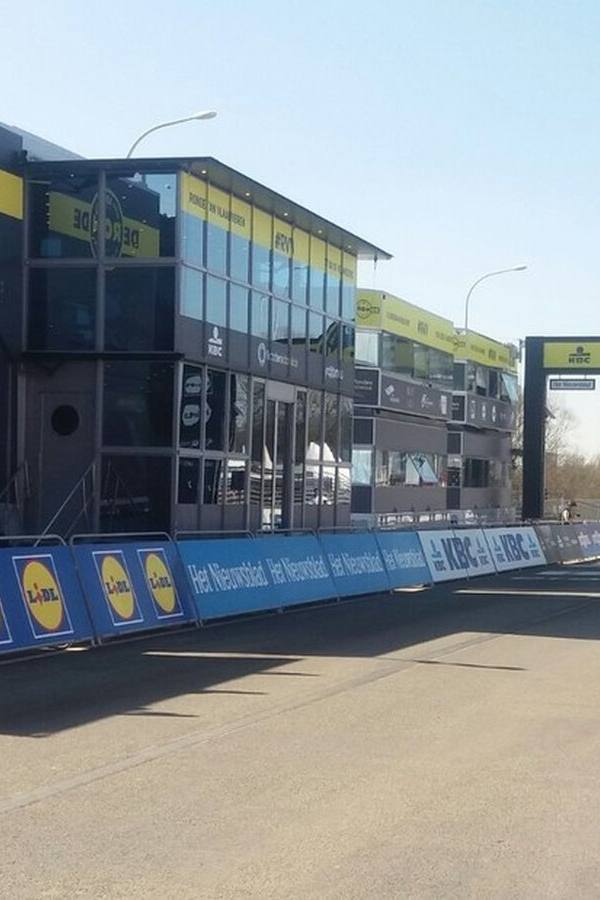
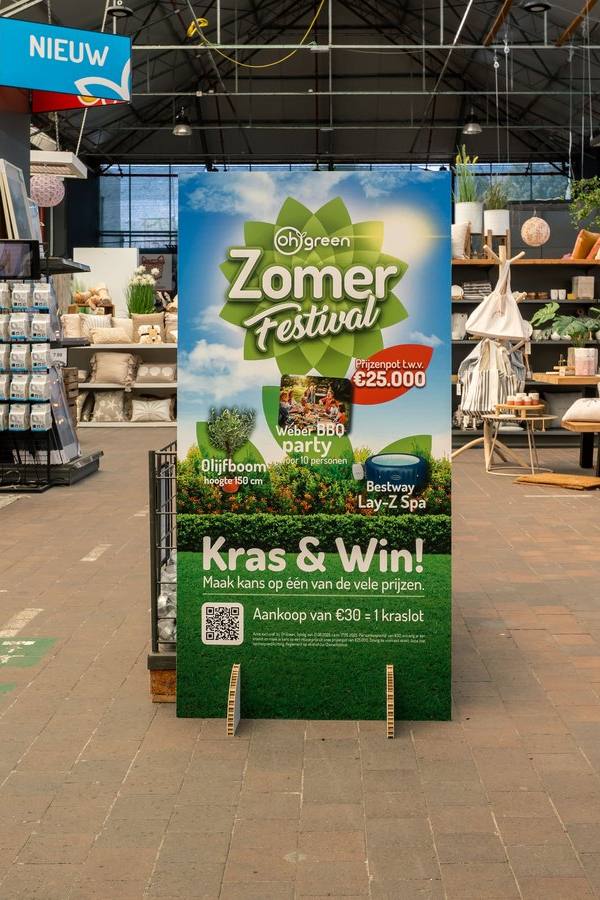
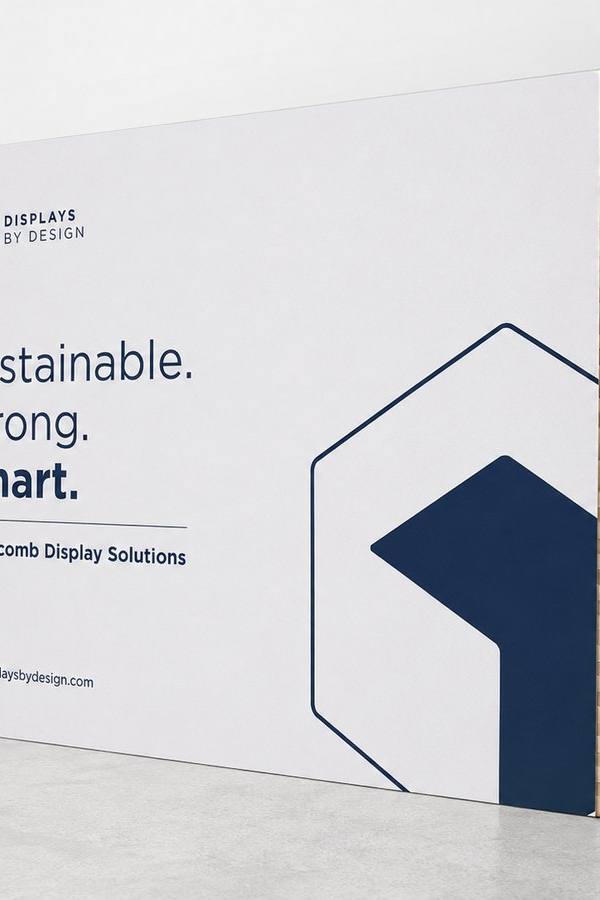
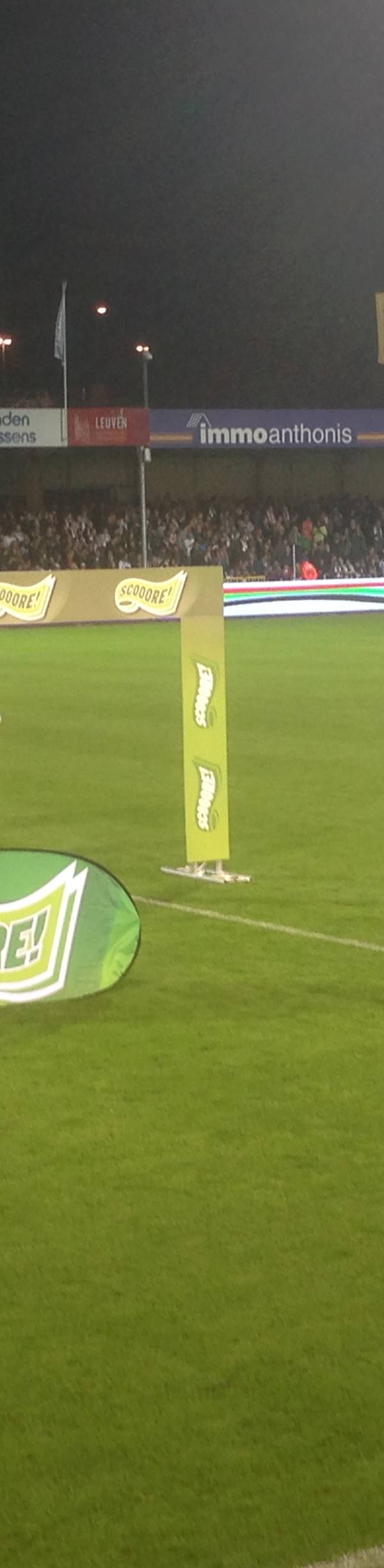
All pos & displays
Prijzen zijn beschikbaar in het Herva-Doublet Platform.
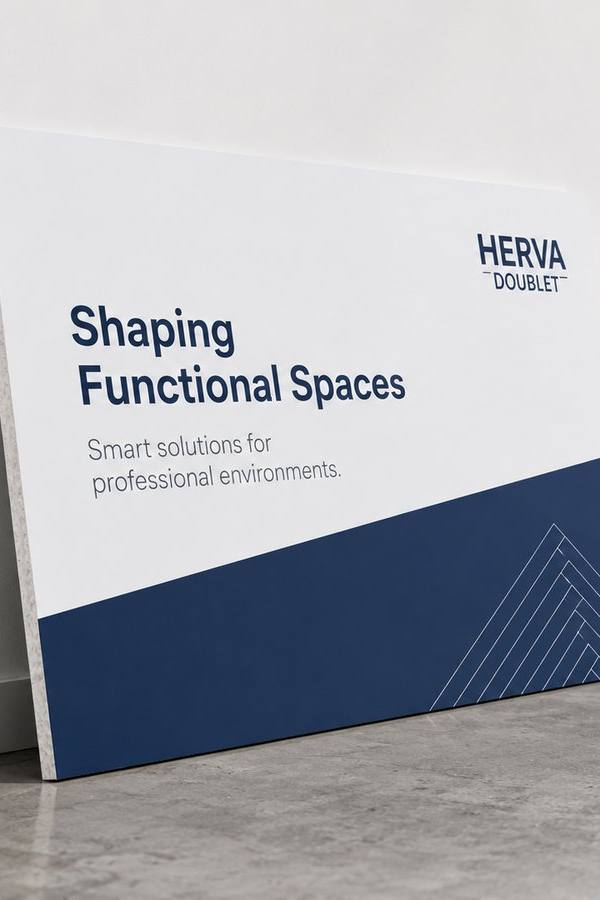
Printed PVC foam panel
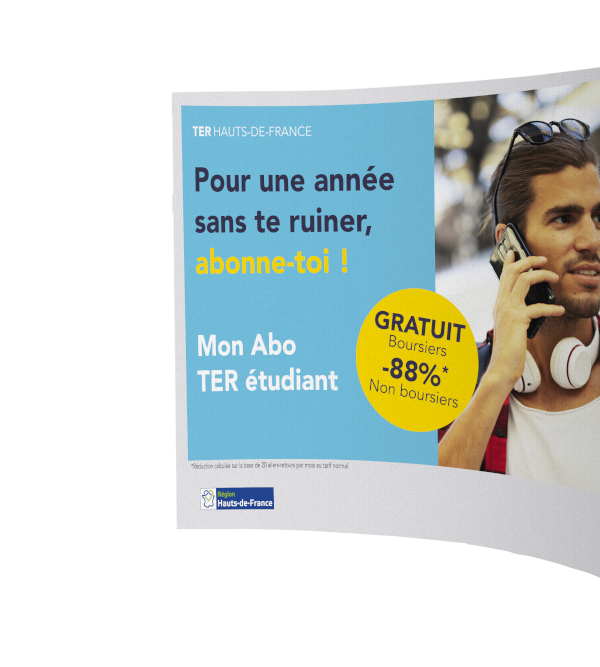
Curved photocall
Outdoor kakemono stand
Printed fluted polypropylene panel
Photocall Edge
Roll-up banner basic
Roll-up banner premium
Roll-up Caméléon
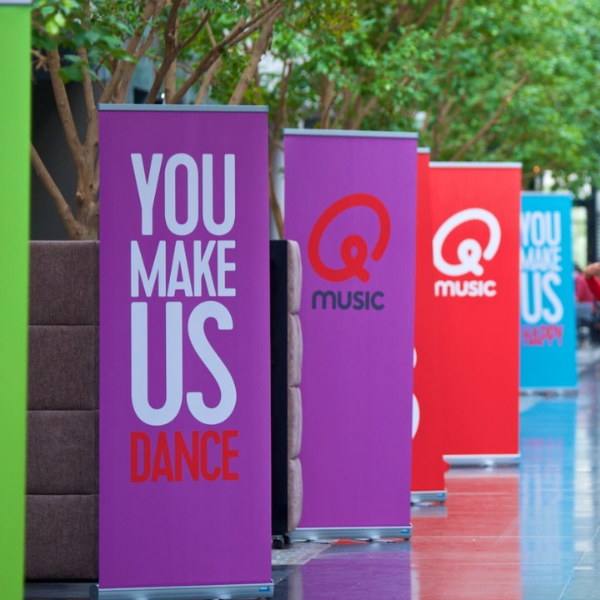
Roll-up banner basic
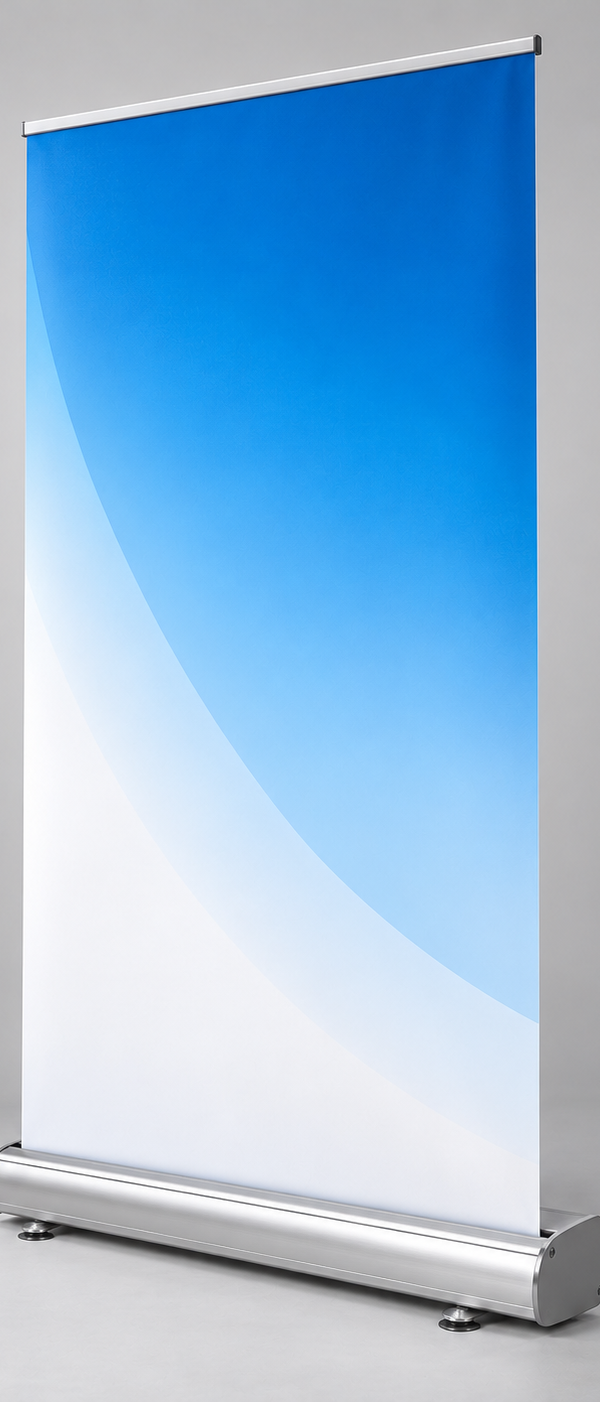
Roll-up banner premium
- Our approach
- 1Advice
- 23D design
- 3Production
- 4Installation
- 5Maintenance
What this gives you
From first sketch to maintenance — one partner who handles everything in-house.
One partner, from A to Z
You call one number. We measure, design, produce, install and maintain. No fragmented responsibility, no waiting on subcontractors pointing at each other.
You see it before it exists
A 3D visualisation of your own façade or space, by day and by night. We only start producing once that image is right. No surprises afterwards.
In-house production in Olen
Custom work from our own workshops, without intermediaries. That means a shorter lead time, a sharper price, and changes that are genuinely still possible.
Built to last
ISO 9001 and ISO 14001. Colourfast, weather-resistant materials and energy-efficient LED lighting. With long-term service and maintenance.
POS material that makes the difference at the shelf
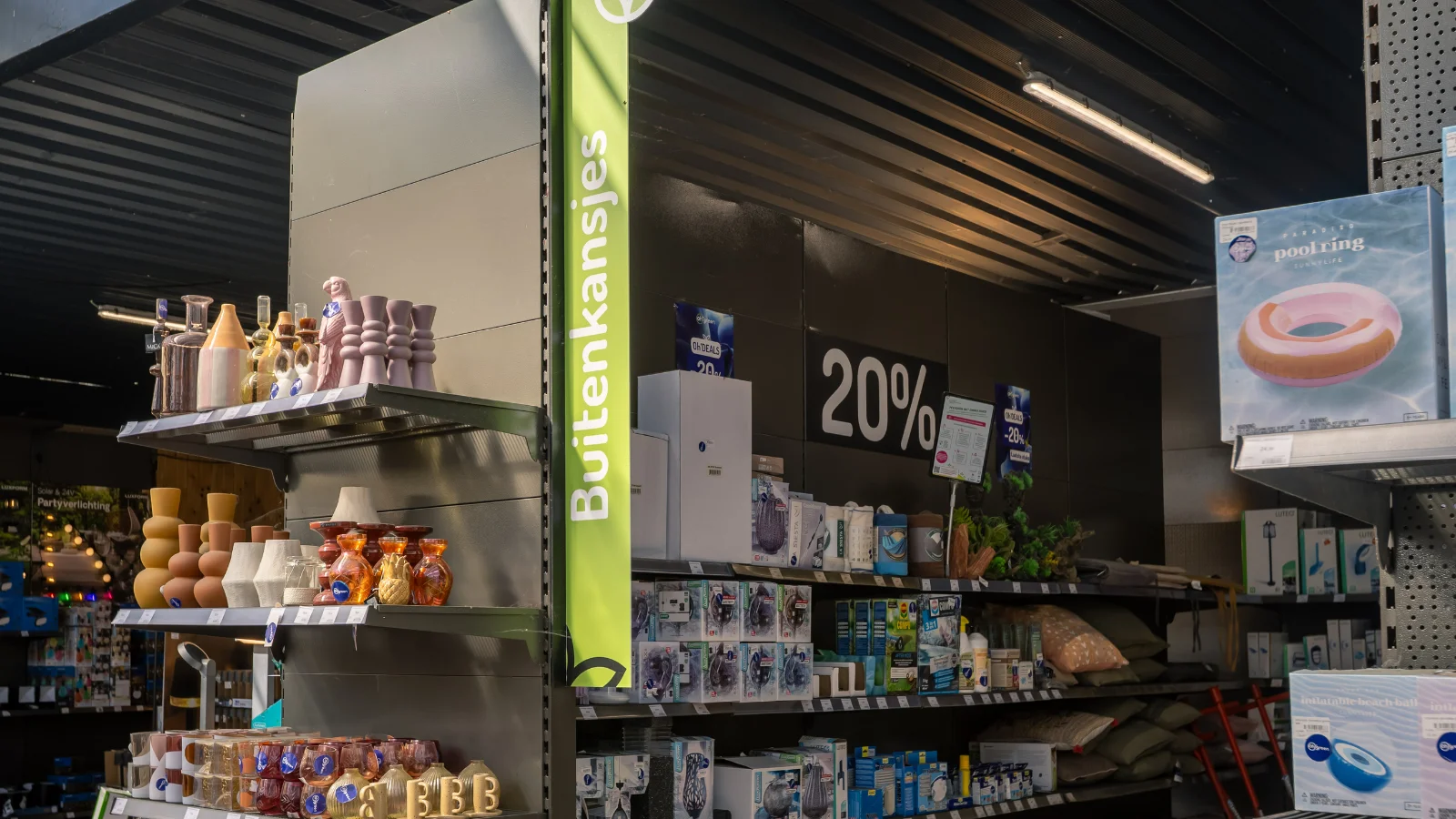
POS material, short for point of sale, is everything that makes your product visible at the moment the customer decides. A large share of retail purchases is only settled in the shop. Whoever fails to stand out at that moment loses the sale to whoever does, however good the campaign beforehand.
We design, produce and distribute POS material for brands, distributors and retail chains. From a single counter display to a rollout of hundreds of units across every point of sale, including packing per shop and assembly instructions.
The main forms
Counter displays
Compact displays at the till or on the counter, aimed at impulse purchases. They work best for small products with a low threshold. The limiting factor is almost always the available counter space; a display that gets in the cashier's way disappears under the counter within a week.
Floor displays and columns
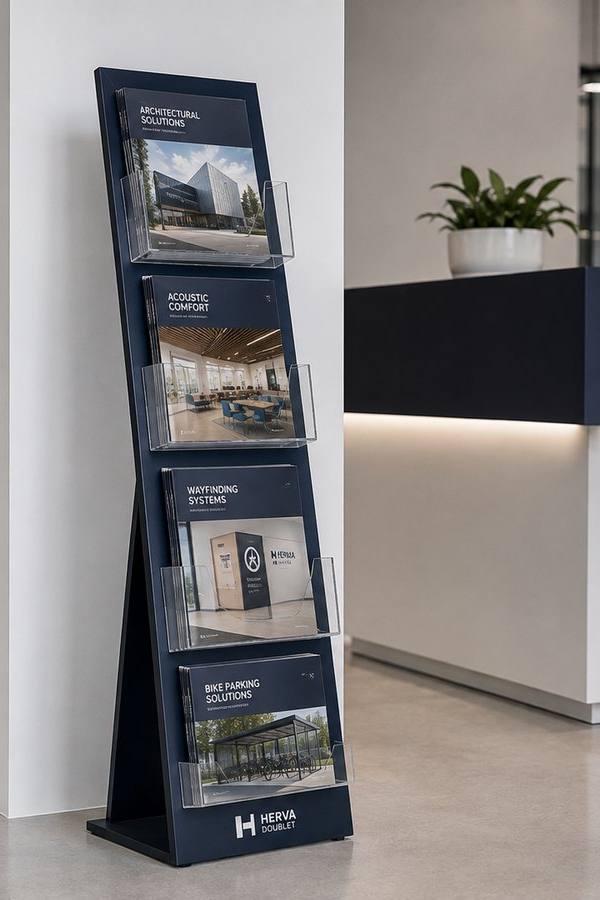
Freestanding displays that take their own place in the shop, in cardboard for temporary promotions or in metal and plastic for long-term use. Floor displays require an agreement with the retailer about their position: the end of an aisle delivers far more than a corner at the back.
Shelf communication
Shelf strips, wobblers, stopper cards and price ticket holders. Small items, but exactly the items that work at the precise moment of choosing between two brands.
Banners, roll-ups and textile frames
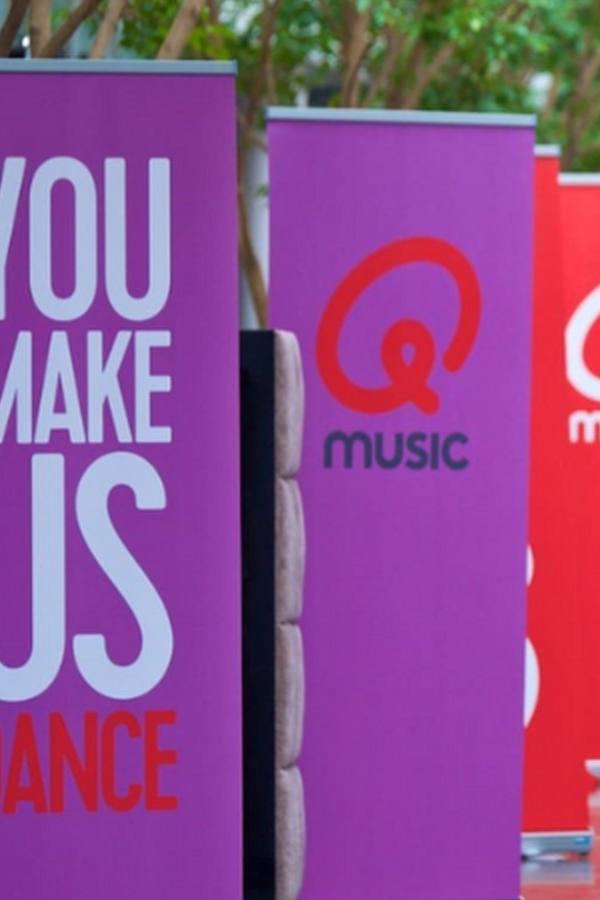
Quick to put up and take down, ideal for temporary promotions, trade fairs and seasonal changes. Textile frames with tensioned fabric give a crisper image than a conventional roll-up, and the fabric is replaceable without renewing the frame.
Shop-in-shop
A defined brand zone within a larger store, with its own wall covering, furniture, lighting and signage. This is the heaviest form of POS, but also the one with the longest-lasting effect.
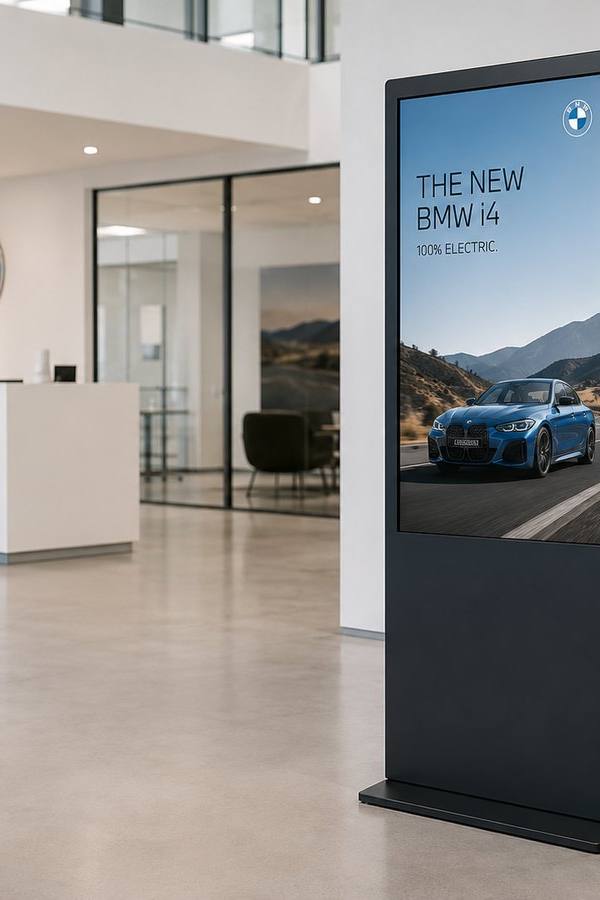
Digital screens
Screens with changing content, controlled remotely. Strong where the message changes often; unnecessary where the same message stays for months, because a printed panel is then cheaper and just as effective.
Cardboard or durable material?
This choice determines both the cost and the environmental impact, and depends entirely on how long the display has to last.
Cardboard and corrugated board are the logical choice for promotions lasting a few weeks. They are light, cheap to ship, fully printable and recyclable. For a seasonal promotion or a product launch this is usually the most sensible material.
Metal, plastic and timber belong to permanent display. They cost more to buy, but if the display stays in the shop for two or three years, the cost per month falls well below that of repeatedly renewed cardboard. For these versions we like to work with interchangeable image panels: the unit stays, only the image changes per campaign. That substantially reduces the recurring cost and makes a considerable difference in waste.
Designing for real conditions
A display that looks good on screen can fail completely in the shop. We test every design against a number of practical points:
- Can one person assemble it, without tools and without a three-page manual?
- Does it stay upright when a customer knocks or pulls at it?
- Does it fit through the door, into the lift and onto the pallet?
- Is the message legible from a few metres, or only close up?
- Will it still look tidy after two weeks, or will the cardboard sag under the weight of the products?
For larger runs we make a physical prototype. That costs an extra week, but it prevents you having a thousand made that do not work in practice.
Rollout across multiple points of sale
In a rollout the work lies not in production but in logistics. We can pack per point of sale, with the right quantities per store format, supplied with clear assembly instructions and, if you wish, shipped directly to each branch or to the chain's distribution centre. You get one point of contact instead of a hundred shipments to track.
For recurring campaigns we record the materials and specifications so that a subsequent round runs faster and identically. What is a project the first time becomes routine thereafter.
Measuring whether it works
POS material is rarely evaluated, and that is a missed opportunity. Simple ways to learn something anyway: compare sales in branches with and without the display over the same period, use a unique QR code or promotion code per campaign, and ask shop staff briefly afterwards what was and was not in place. That information steers the next design far more sharply than a feeling after the fact.
What determines the price?
POS material has no fixed unit price. What drives the cost:
- The number of units. By far the largest factor: the setup cost of a cutting die or a mould is spread across the run, so five hundred pieces cost far less each than fifty.
- The material and expected service life, from cardboard for a few weeks to metal for years.
- The complexity of the construction and the number of components.
- Finishing: lamination, die-cutting to shape, film, lighting.
- Packing and distribution per point of sale.
- Whether a prototype is made before the run.
Give us the run size you want, the intended lifespan and the format of the product to be presented, and you will receive a quotation in which these items appear separately. That way you immediately see where you can shift, for instance by increasing the run or simplifying the finish.
Request a proposal
Send us your campaign material, the product and the number of points of sale. We will come back with a design proposal, a visualisation and a quotation per version, so you can weigh up temporary against permanent yourself.
Projects
All projects
Frequently asked questions
Kan ik enkel de print vervangen bij een nieuwe actie?
Wat is het verschil tussen een totem en een reclamezuil?
Wat is een photocall?
Kunnen onze winkels zelf bijbestellen?
Further reading
You will find more background and practical tips in our articles.
Ready to start your pos & displays project?
We think along from the first sketch through to installation and maintenance.