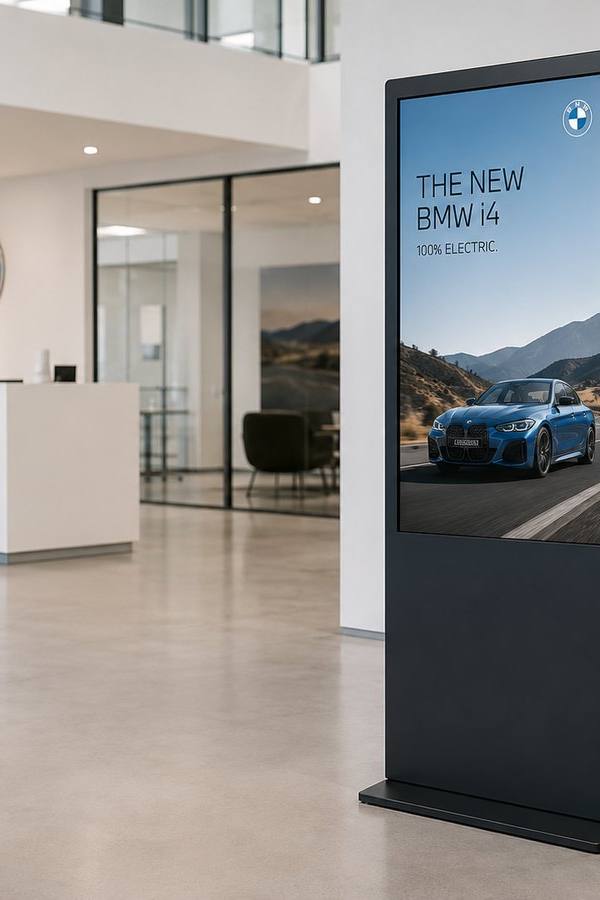
Advertising totem – indoor
For indoors: shops, reception halls, showrooms. Lighter build, with no need for weather resistance.
A totem is a free-standing column that puts your brand at eye level without needing a wall or a façade. It marks an entrance, points the way on a site, or draws attention at a trade fair. Which version you need depends on where it stands, whether it has to move, and whether it should light up after dark.
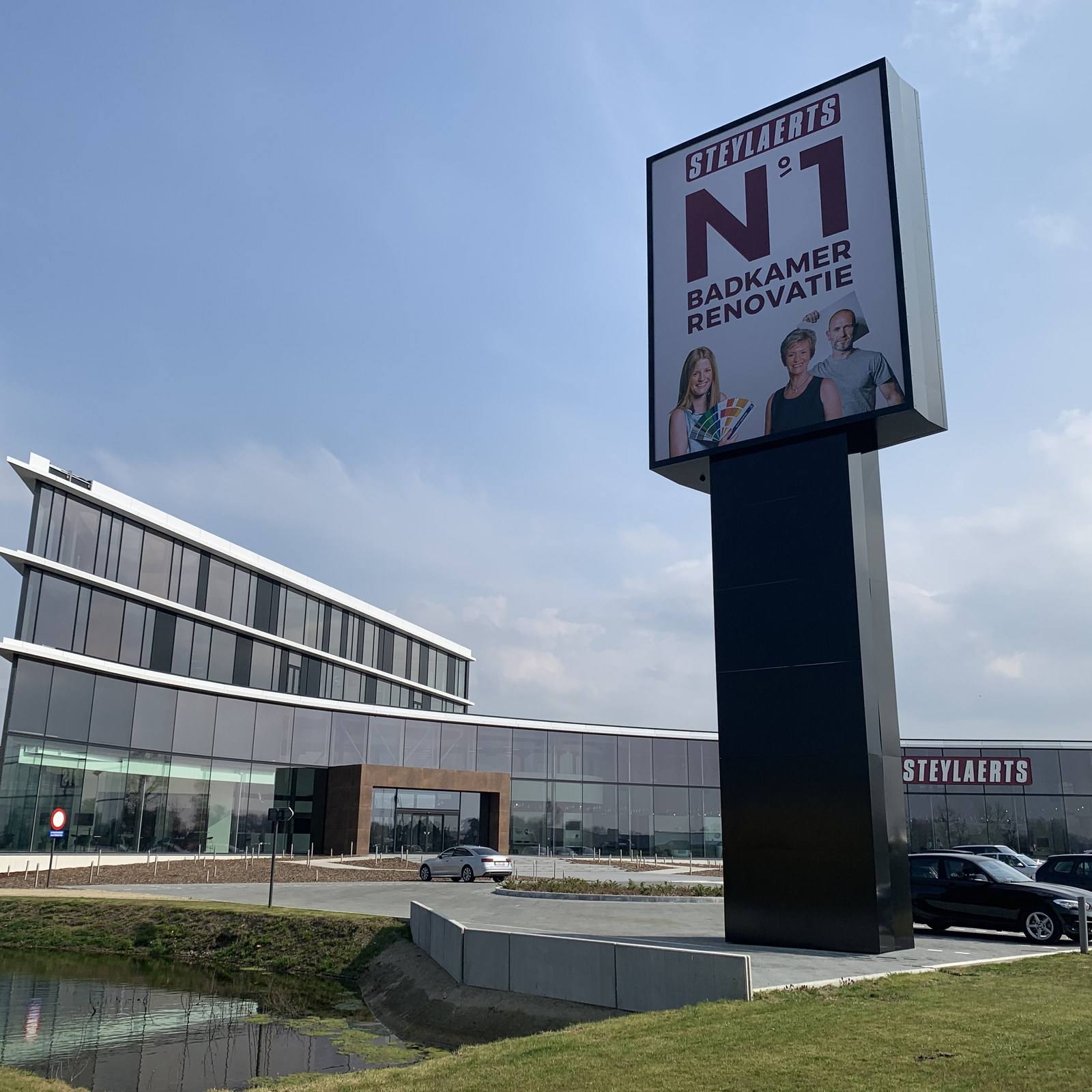
For indoors: shops, reception halls, showrooms. Lighter build, with no need for weather resistance.

On a weighted base or on wheels. The choice when the totem has to be movable: fairs, activations, changing set-ups.

Aluminium frame with a taut printed fabric. Light, quick to assemble, and the fabric can be replaced. The most affordable choice when messages change.
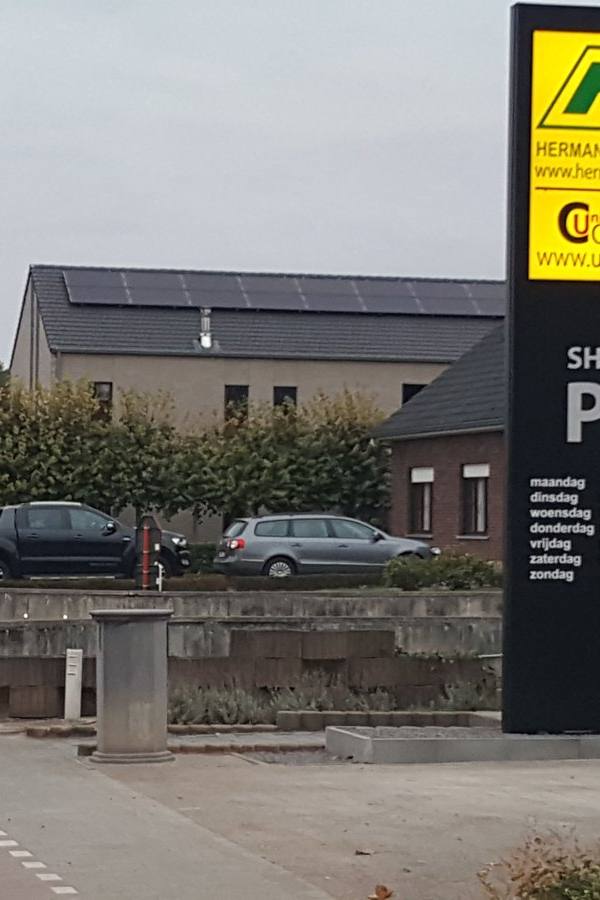
Lit from within, so the totem works after dark too. Essential at an entrance that is used in the evening.
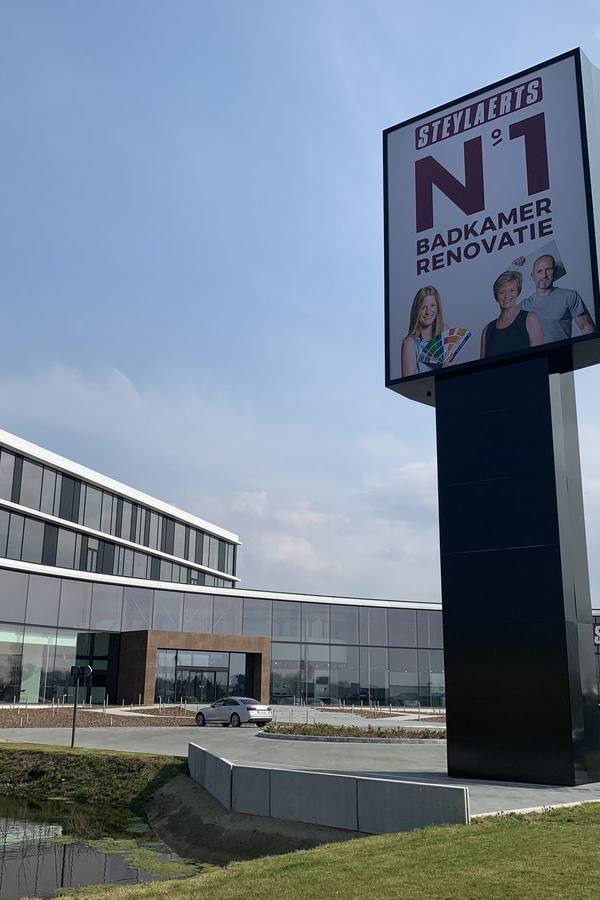
When no standard version fits: an unusual height, a special shape, or integration into an architectural concept.
From first sketch to maintenance — one partner who handles everything in-house.
You call one number. We measure, design, produce, install and maintain. No fragmented responsibility, no waiting on subcontractors pointing at each other.
A 3D visualisation of your own façade or space, by day and by night. We only start producing once that image is right. No surprises afterwards.
Custom work from our own workshops, without intermediaries. That means a shorter lead time, a sharper price, and changes that are genuinely still possible.
ISO 9001 and ISO 14001. Colourfast, weather-resistant materials and energy-efficient LED lighting. With long-term service and maintenance.
A totem is a free-standing vertical column, visible from a distance and still legible close up. It does something façade signage cannot: it stands at the front of the site, square to the direction of travel, and tells the driver that this is the place, before they have already gone past.
The market also uses the words advertising column, pylon sign, information totem, monolith and pylon. A pylon usually refers to the largest and tallest version along an approach road.
At the entrance to an industrial estate, on the car park of a shopping centre, at the approach to a hospital or a school, in the lobby of an office building. Anywhere someone arrives and has to know within a few seconds where to go.
On a site with several businesses or services the totem immediately becomes a wayfinding sign as well, with interchangeable name plates per tenant. The construction then matters more than the graphics: a plate has to come out without the rest being dismantled.
An illuminated totem works day and night and is the logical choice along roads where you want to be seen in the evening too. The lighting can come from within, through a translucent panel or a fabric, or from outside with spotlights.
Non-illuminated is plainer and cheaper in maintenance and consumption. In residential zones or protected surroundings it is sometimes the only form allowed.
A totem is a structure, not a sign. It needs a foundation underneath, usually concrete, with a base plate or a cast-in anchor. Height and wind load determine how heavy that foundation has to be. Illuminated versions also need power brought to the column, which means digging, or tapping into an existing cable.
A totem of any size generally requires planning permission, and municipalities apply their own regulations on height, surface area and lighting. Allow for lead time. This is the part that delays projects most often, not the production.
Height, width and whether the column is illuminated set the baseline. After that comes the construction: single or double sided, fixed or interchangeable panels, and the material of the casing. Installation weighs heavily, with the foundation, the digging for power, crane access and the ground conditions on site.
With a totem the graphics are therefore rarely the largest item. The ground underneath it is.
We design, produce, found and install, and where needed we guide the permit file with the drawings required. Send us a photo of the location, the height you have in mind and whether it has to be illuminated, and a proposal comes out of it that takes account of what is allowed and feasible in that spot.
What you see here is a selection. Our range is considerably wider — in sizes, materials and finishes that we cannot all show online. Tell us what you need it for and where it has to go, and we will work out what fits.
Ask your questionWe think along from the first sketch through to installation and maintenance.