
Scooter and moped parking
Parking for scooters and mopeds, often vertical and modular. Keeps e-scooters tidy and out of walking routes.
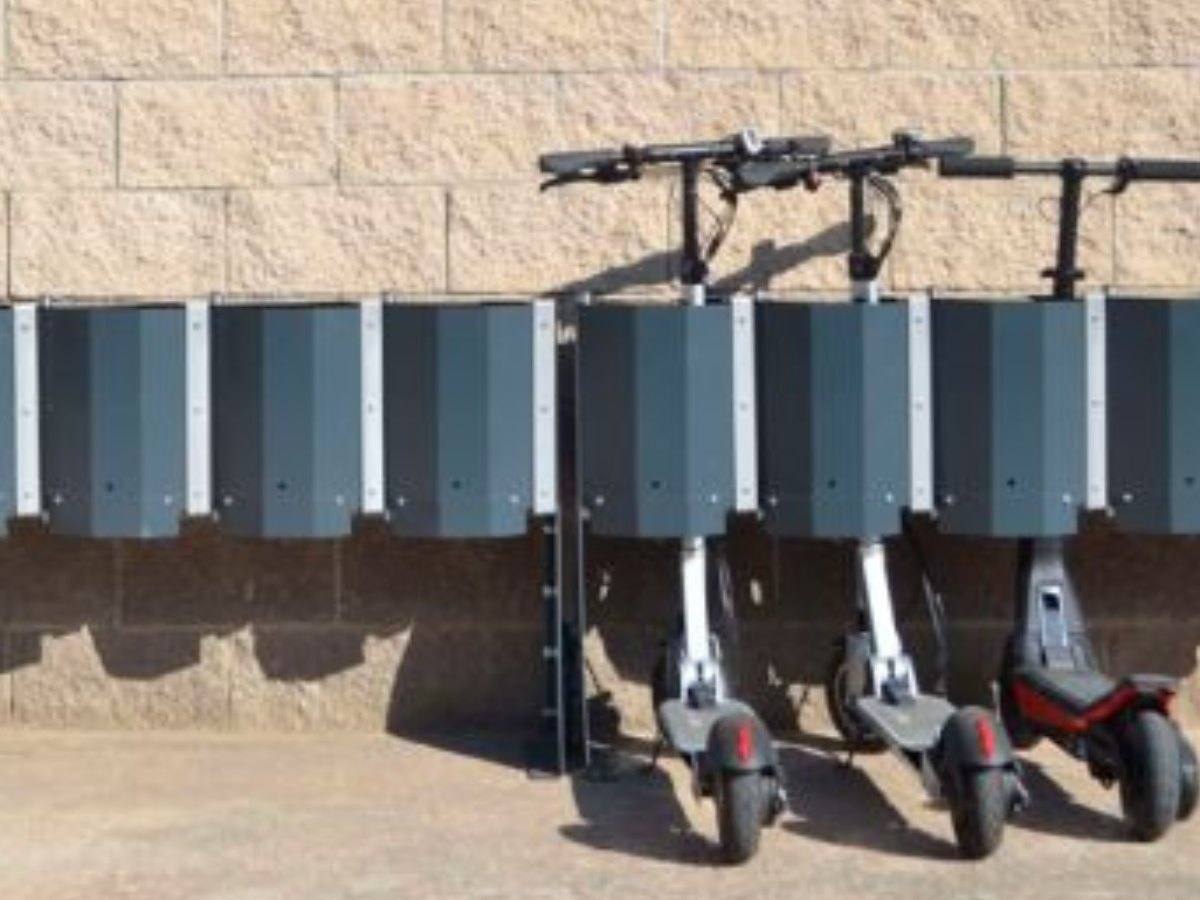
Alle scooter and moped parking
Prijzen zijn beschikbaar in het Herva-Doublet Platform.
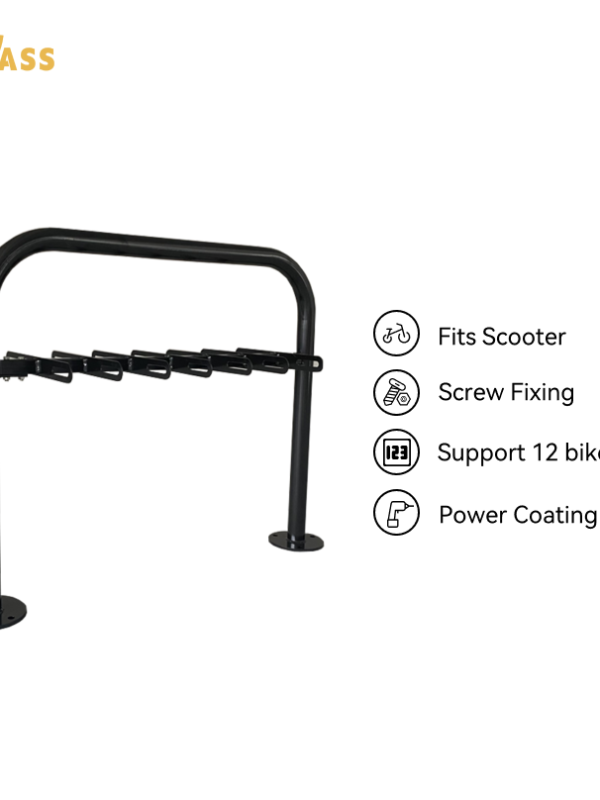
Hangrek voor steps en fietsen (dubbelzijdig)
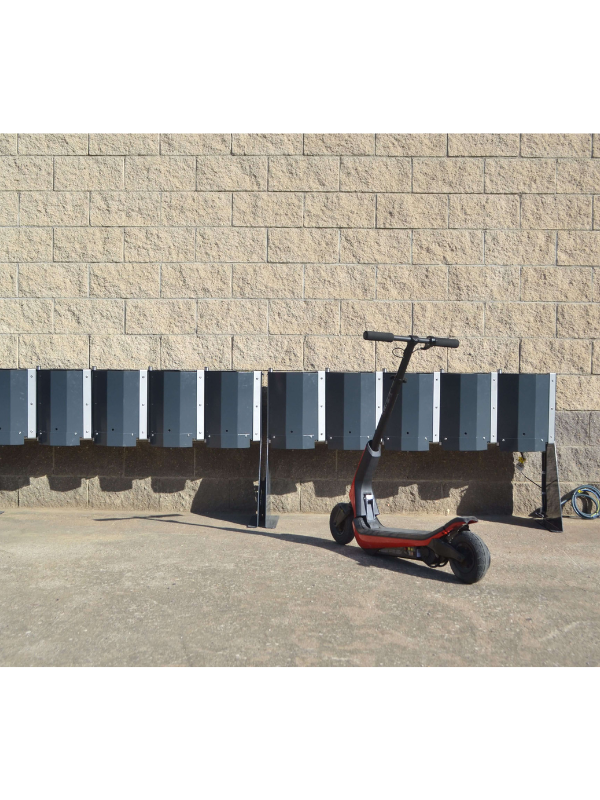
Scooter parking with drawer
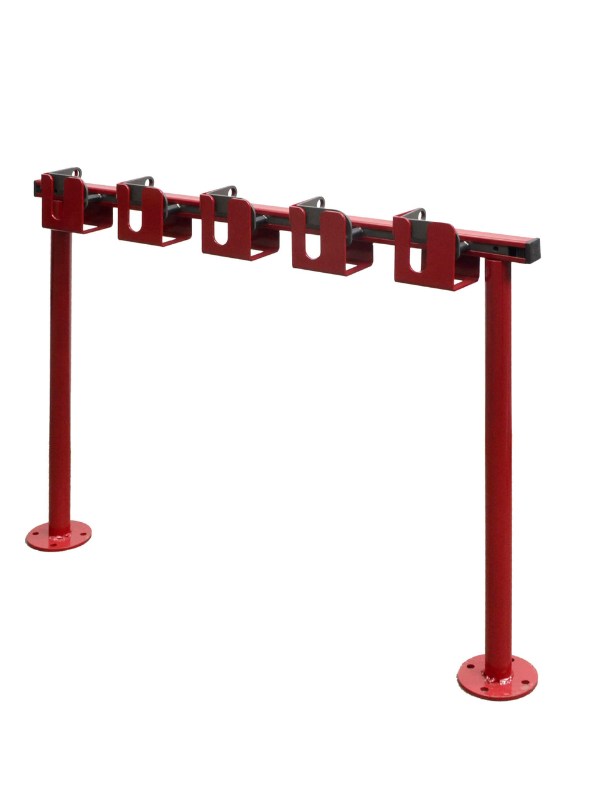
Scooter and skateboard rack
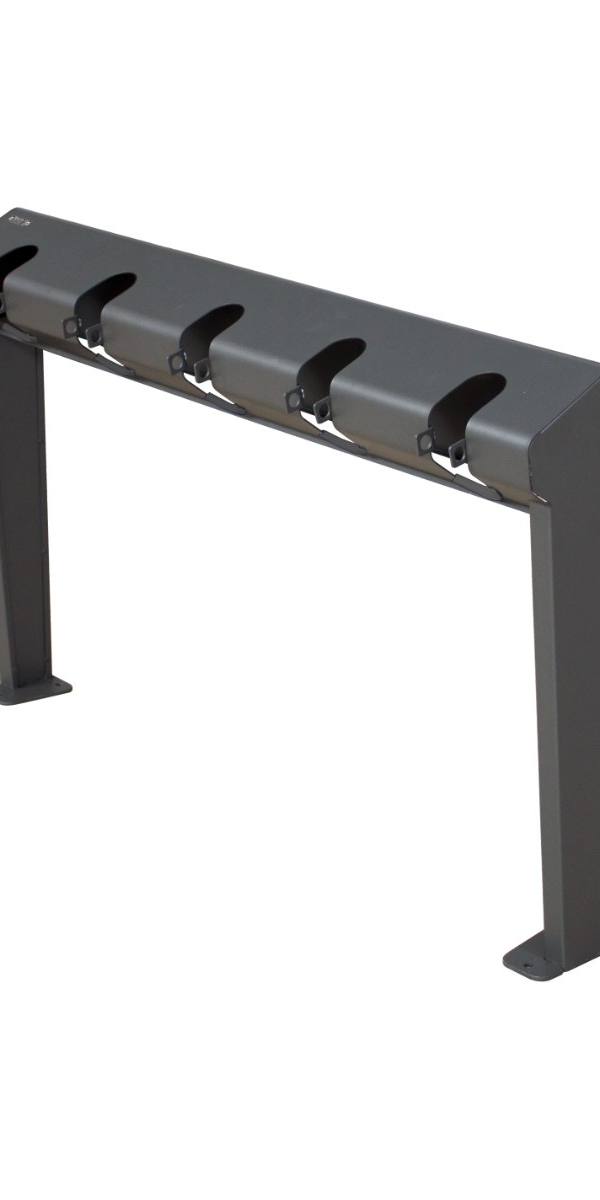
Lockable scooter rack (5 scooters)
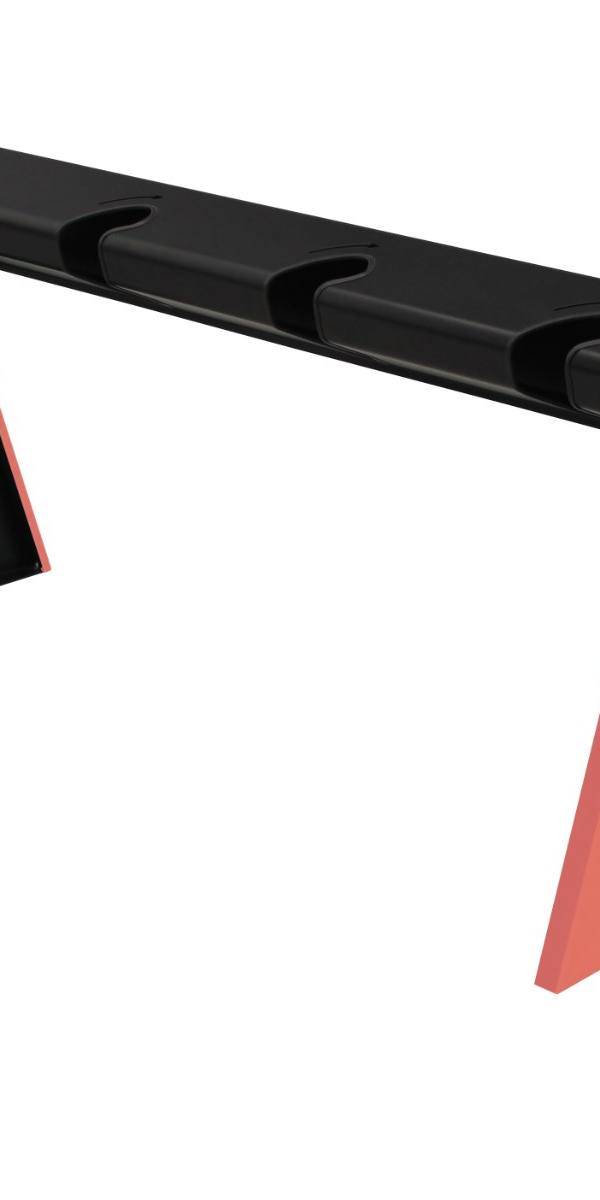
Modular scooter rack (4 scooters)

Stepsteun
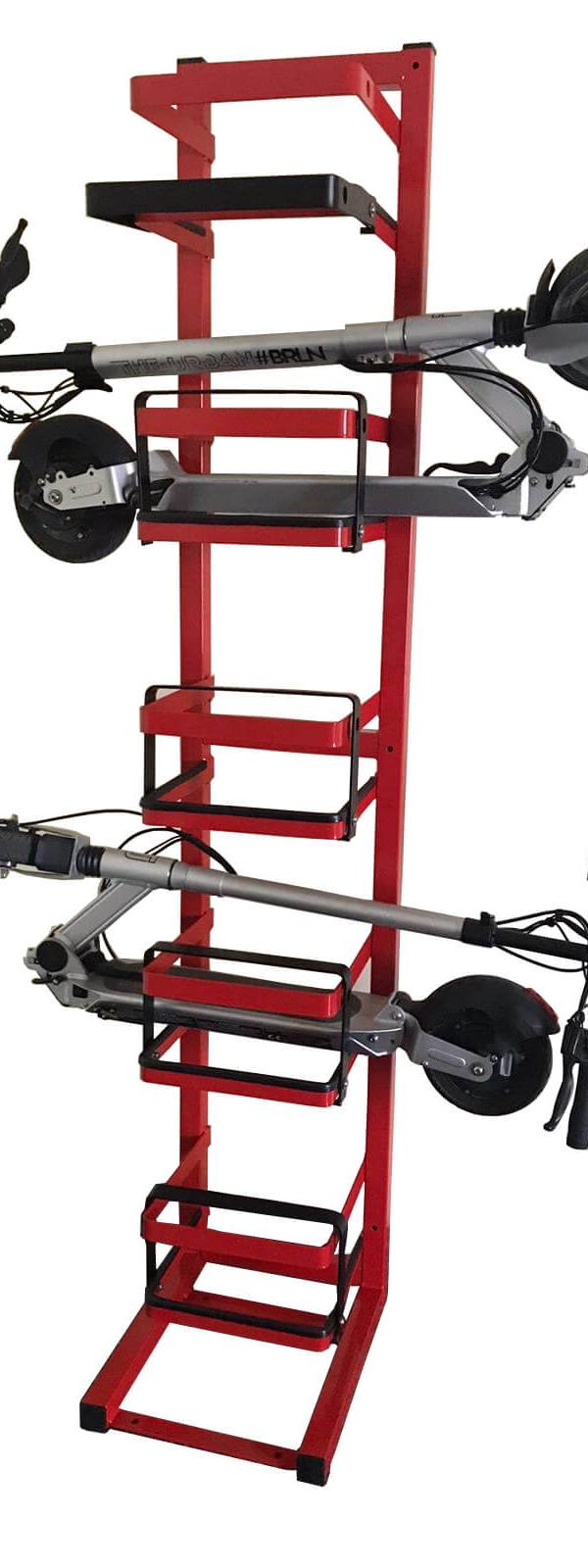
Vertical scooter parking, modular
- Our approach
- 1Advice
- 23D design
- 3Production
- 4Installation
- 5Maintenance
What this gives you
From first sketch to maintenance — one partner who handles everything in-house.
One partner, from A to Z
You call one number. We measure, design, produce, install and maintain. No fragmented responsibility, no waiting on subcontractors pointing at each other.
You see it before it exists
A 3D visualisation of your own façade or space, by day and by night. We only start producing once that image is right. No surprises afterwards.
In-house production in Olen
Custom work from our own workshops, without intermediaries. That means a shorter lead time, a sharper price, and changes that are genuinely still possible.
Built to last
ISO 9001 and ISO 14001. Colourfast, weather-resistant materials and energy-efficient LED lighting. With long-term service and maintenance.
Parking for scooters and mopeds
Parking for scooters and mopeds is a compact, often vertical facility that gives e-scooters, folding scooters and small mopeds a fixed place, instead of leaning against a facade or lying across the footpath. Each vehicle gets its own bay with a support for the wheel or the stem, so it stays upright and does not topple in the first gust of wind.
The solution is there for cities that want to keep shared scooters in order, for office buildings where staff arrive by scooter, for schools, for stations and mobility hubs, and for shopping centres and event venues. Demand is growing quickly, precisely because the scooter takes up a place the classic cycle shelter never allowed for.
Where this parking proves its worth
- At stations, stops and mobility hubs, as a link in first and last mile travel.
- In front of office entrances, where scooters otherwise end up in the lobby.
- On school grounds and campuses, where scooter numbers are rising fast.
- Inside existing cycle shelters, as a zone next to the cycle stands.
- On squares and in shopping streets, as a drop zone for shared scooters.
Versions
The most common version is the vertical rack: a frame with slots that hold the front wheel or the stem. It takes up little ground and keeps everything in line. There are also low ground racks in which the wheel sits at an angle, and hoop models the scooter is locked against.
Almost all models are modular: you start with a base unit and extend as use grows. Single-sided racks go against a wall; double-sided racks stand free and double the capacity on virtually the same footprint. Then there are the options that make the difference in practice: an attachment point for the user's own lock, a charging facility, a canopy, and a side panel that marks out the zone and carries your house style.
Material and finish
The structure is usually steel, hot-dip galvanised and powder coated in the colour of your choice, or aluminium where a lighter assembly is wanted. What matters is that the contact surfaces have no sharp edges: scooters have narrow stems and thin tyres. Anchoring is done with base plates on hard surfacing or with buried feet in an unpaved zone. For a temporary set-up we work with a weighted foot, so nothing has to be drilled.
Installation and points to watch
A good layout starts from the walking lines. Put the parking where people arrive, not where there happens to be space: if it sits further along, the scooters will still end up by the door. Keep the footpath clear, certainly for wheelchair users and prams, and allow for manoeuvring room, because a scooter is parked sideways.
Watch the width of the bays as well. Scooters vary widely in wheel size and stem width; a rack that only takes one type will soon stand half empty. A bay system that copes with several sizes is the better investment.
When is this not the right choice? If it is a matter of a few vehicles a day, a marked zone with floor marking and perhaps a hoop will do. And if cargo bikes or mopeds are involved as well, you need something else: they do not fit a scooter rack.
What determines the price?
The determining factors are the number of spaces, the rack type (single or double sided, vertical or ground model), the material and surface treatment, the RAL colour and the options: charging points, attachment points, a canopy, side panels or printed panels. On top of that come the anchoring and the substrate, whether foundation or electrical works are needed, and whether we install. For larger numbers the size of the series works in your favour. We start from your plan or from what the tender specifies.
Let us look at your situation
Send us the expected number of vehicles, a photograph or ground plan and the substrate on site. We will propose a suitable layout and draw up a quotation to match. Feel free to get in touch.
Projects
All projects
Frequently asked questions
Hoeveel plaats heb ik nodig per fiets?
Fietsbeugel of fietsenrek — wat kies ik?
Zijn dubbellaagse rekken gebruiksvriendelijk?
Zijn er subsidies voor fietsenstallingen?
Didn't find what you were looking for?
What you see here is a selection. Our range is considerably wider — in sizes, materials and finishes that we cannot all show online. Tell us what you need it for and where it has to go, and we will work out what fits.
Ask your questionAccess to prices and ordering
Request access to our Herva-Doublet Platform. We review your request personally.