
Marker posts
Flexible or fixed marker posts that indicate lanes, zones and obstacles. Highly visible and impact-resistant.
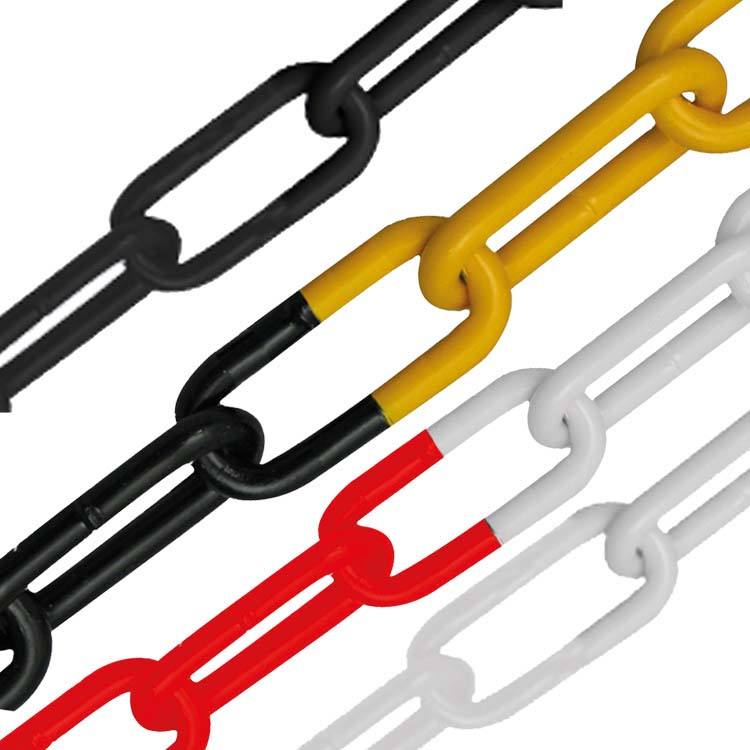
Alle marker posts
Prijzen zijn beschikbaar in het Herva-Doublet Platform.
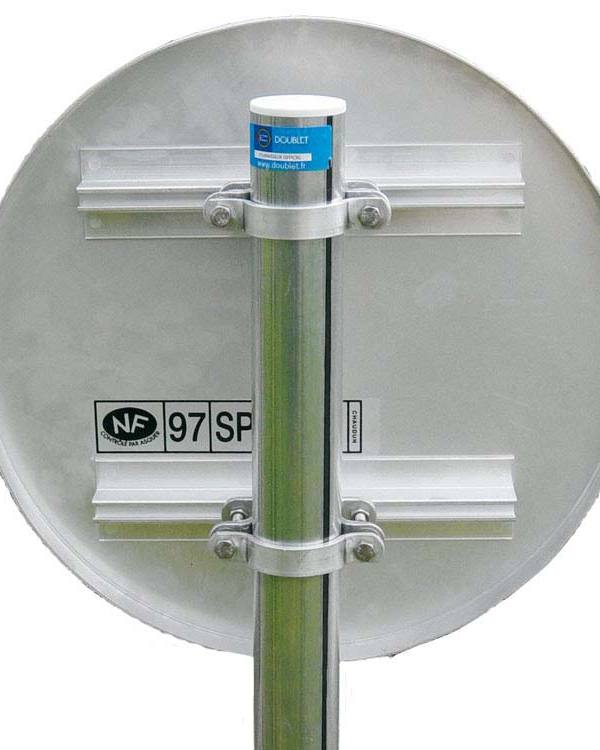
Mounting kit with aluminium tube
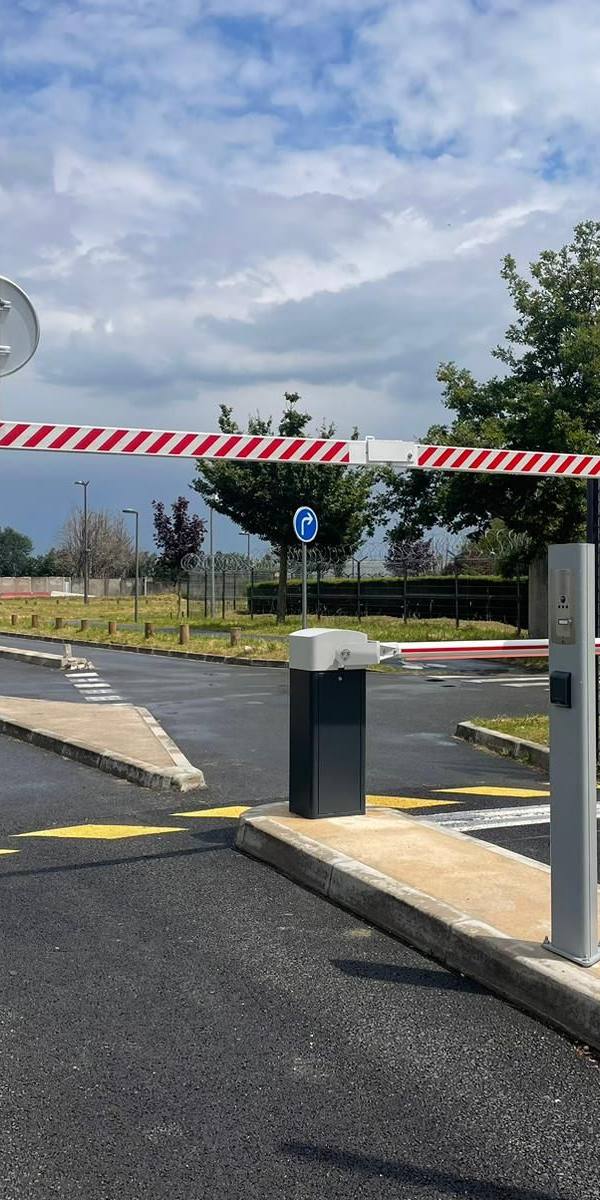
Swivelling height-restriction barrier
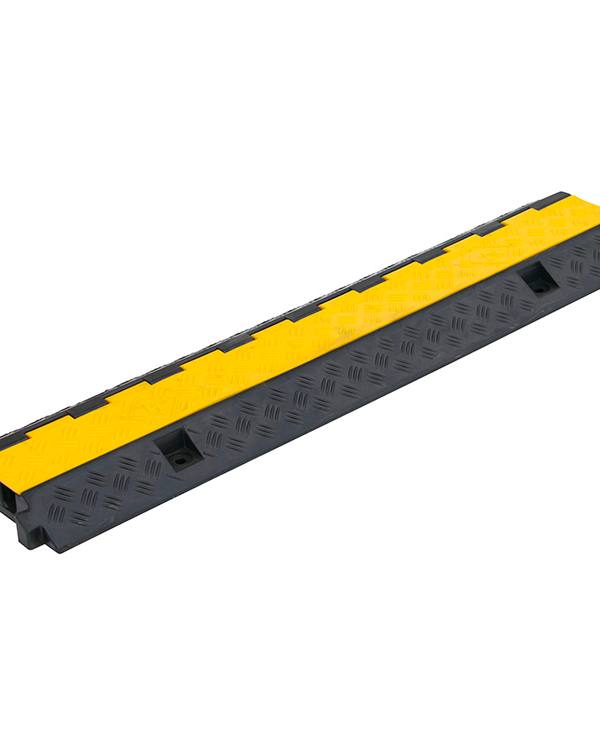
Cable ramp (2 and 5 channels)
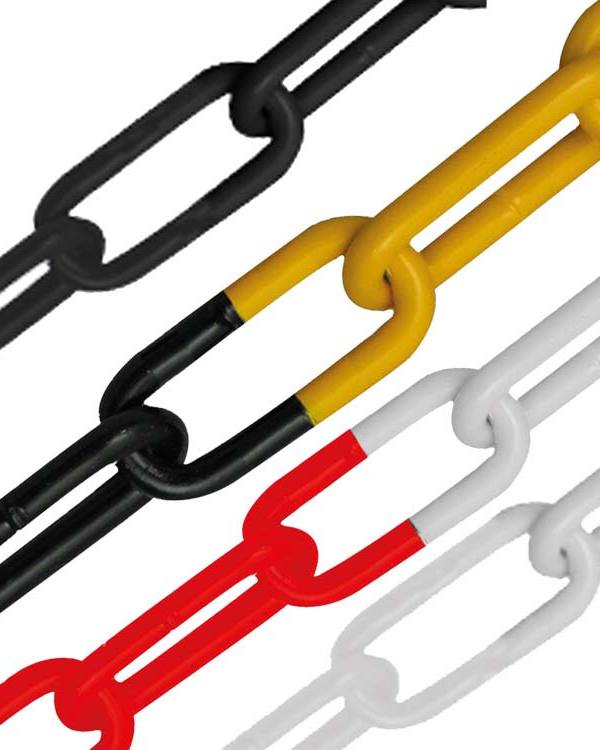
Metal chain (15 m)
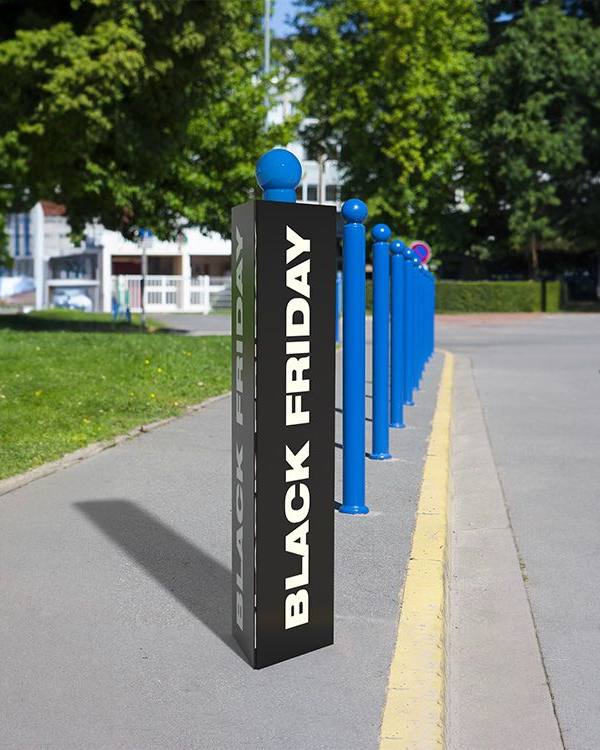
Post-cover totem (3 sides)
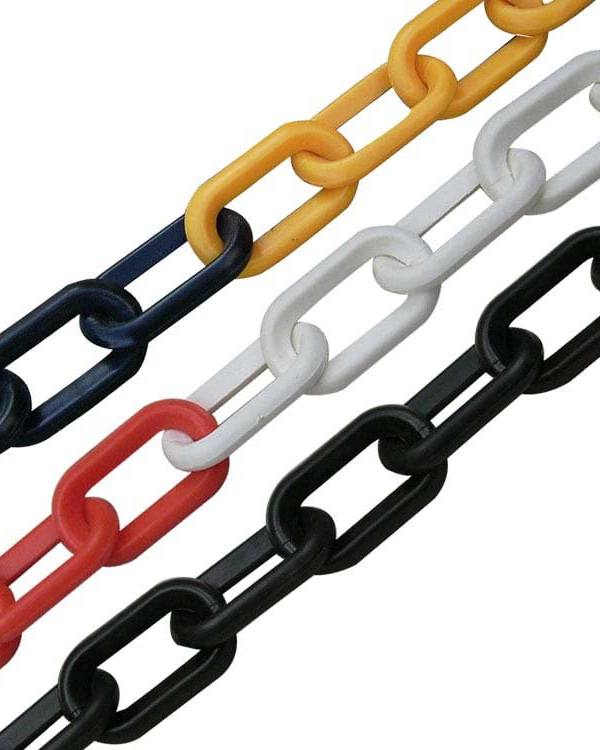
PVC chain (25 m)
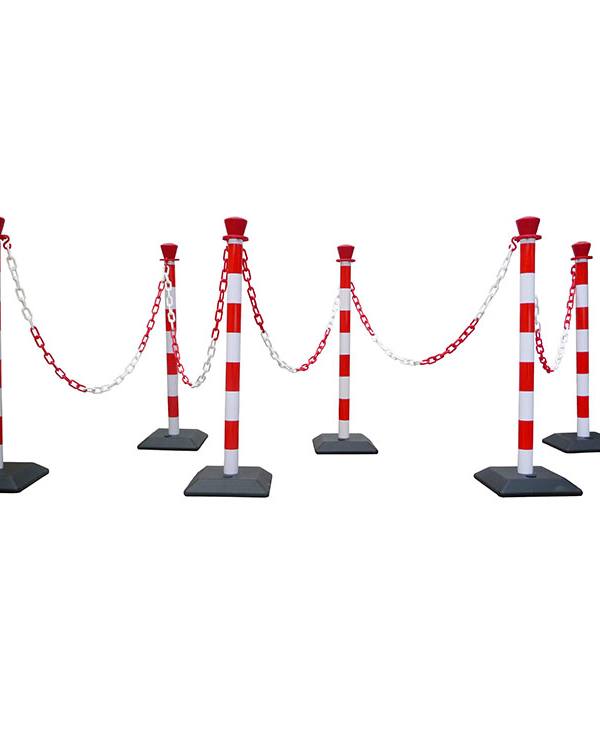
Set of 6 barrier posts with chain
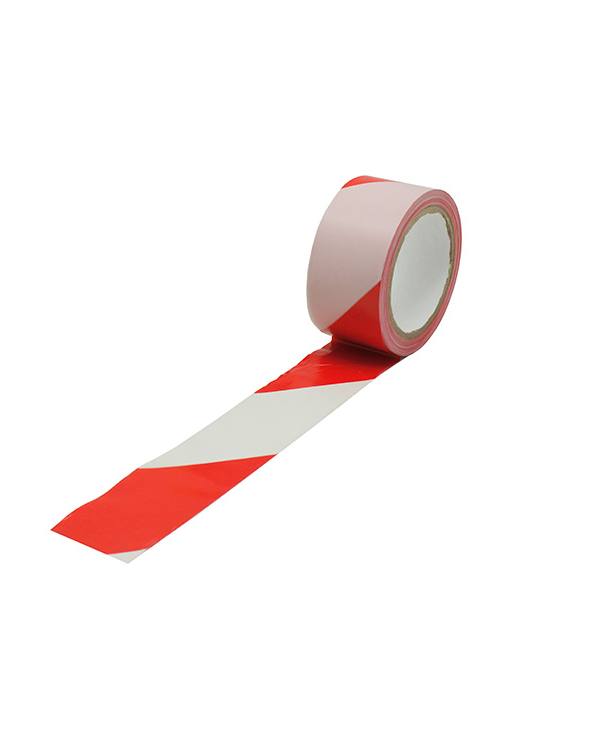
Red and white floor marking tape
- Our approach
- 1Advice
- 23D design
- 3Production
- 4Installation
- 5Maintenance
What this gives you
From first sketch to maintenance — one partner who handles everything in-house.
One partner, from A to Z
You call one number. We measure, design, produce, install and maintain. No fragmented responsibility, no waiting on subcontractors pointing at each other.
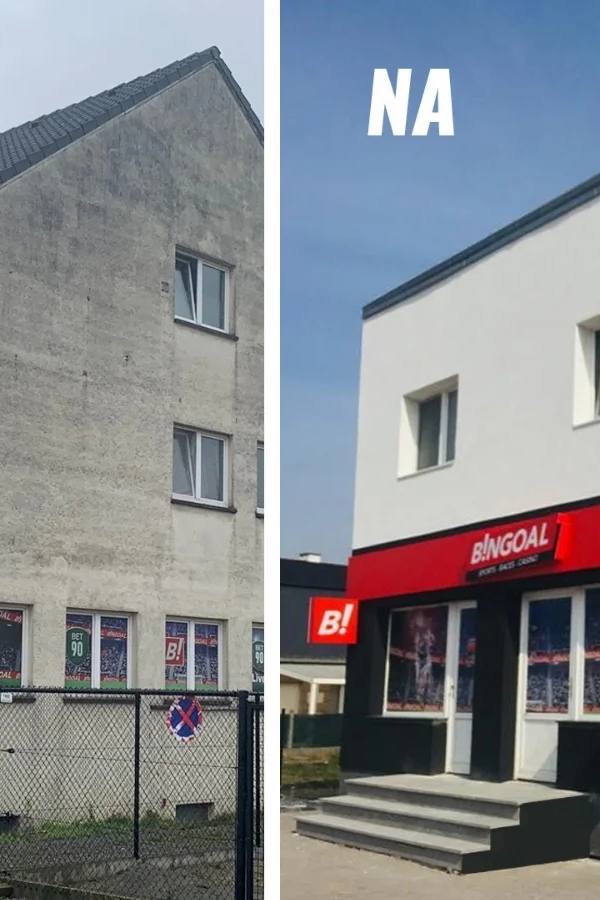
You see it before it exists
A 3D visualisation of your own façade or space, by day and by night. We only start producing once that image is right. No surprises afterwards.
In-house production in Olen
Custom work from our own workshops, without intermediaries. That means a shorter lead time, a sharper price, and changes that are genuinely still possible.
Built to last
ISO 9001 and ISO 14001. Colourfast, weather-resistant materials and energy-efficient LED lighting. With long-term service and maintenance.
Marker posts for zones, obstacles and lanes
Marker posts show where someone may or may not drive, walk or park, and make obstacles visible before anything happens. They are the simplest form of guidance on a site: not a sign with text, but a vertical element that draws a line everyone understands immediately. On car parks, business parks, construction sites and in the public domain they quietly do their work every day.
We supply marker posts to local authorities, contractors, facility managers and companies with their own sites. The choice comes down to one question above all: should the post stay standing when a vehicle hits it, or should it stop the vehicle. That difference determines the model, the material and the anchoring.
Where you use marker posts
- Marking out lanes, turning areas and one-way traffic on private sites
- Protecting obstacles and making them visible: corners, loading docks, manhole covers
- Separating pedestrian and vehicle zones on a company site or car park
Versions
Flexible marker posts
These posts bend on impact and spring back afterwards. They mark; they do not stop. For zones where impacts happen as a matter of course, such as tight manoeuvring areas, they are by far the cheapest choice in use: you rarely replace them and there is no damage to the vehicle.
Fixed posts
A fixed post in steel or cast iron stays exactly where it stands. You choose it when the post also has to physically prevent a car from driving onto a footpath or into a facade. Expect damage to both the post and the vehicle on impact, and anchoring that can withstand it.
Removable and folding posts
For access points that are usually closed but occasionally have to open, for example for the fire service, deliveries or maintenance. With a lock or a triangular key you keep control of who operates them.
Material and anchoring
Flexible posts are usually in elastic plastic with a reinforced base. Fixed posts are in coated or galvanised steel, aluminium or cast iron, powder coated in the colour of your choice. Anchoring is done with a base plate on chemical or mechanical anchors, with a removable ground socket, or set in concrete. The substrate weighs heavily: asphalt, block paving and concrete each call for a different approach, and a base plate on thin asphalt pulls loose at the first knock.
In practice
- Choose the spacing according to what you want to prevent: posts set too far apart simply let vehicles through between them
- Do not place posts in the pedestrian desire line, and certainly not without a detectable base where visually impaired people pass
- Combine them with floor marking and, where needed, with signage; a post on its own imposes no rule
- Take account of what the tender specification or the road authority requires in the public domain
When a marker post is not enough
Marker posts mark, they do not physically stop. If you really want to prevent a vehicle from driving or parking somewhere, you need a parking hoop, a barrier or impact protection designed for that purpose. And if the problem is that people do not know the rule, a post will not solve it: then you need signage.
What determines the price?
The price depends on the type of post (flexible, fixed, removable or folding), the height and diameter, the material and the coating, the reflective finish, the locking system and the number of pieces. On top of that, the anchoring method, the substrate, any groundwork and on-site installation all weigh in. For larger series the calculation works out differently than for a handful of pieces.
Request a proposal for your site
Send us a plan or a few photos of the area, with the substrate and the number of posts you have in mind. We will advise on a specification and send you a tailored quotation.
Projects
All projects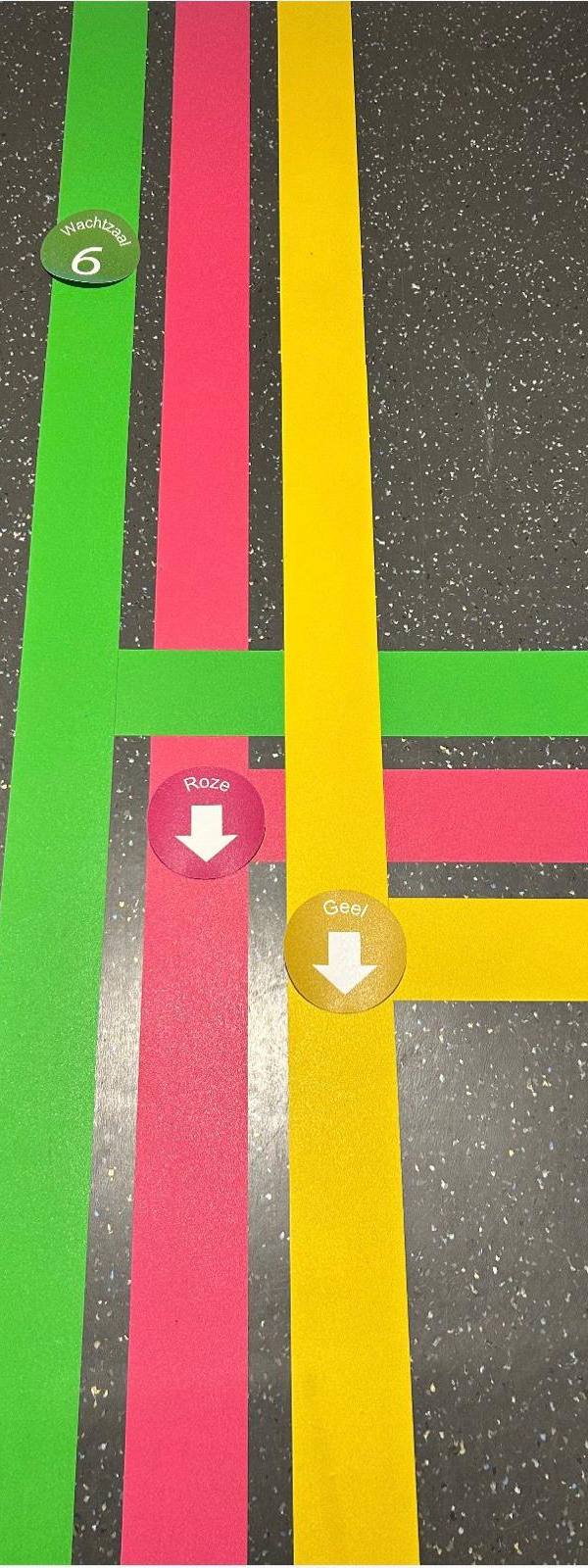
Frequently asked questions
Voldoen jullie verkeersborden aan de Belgische normen?
Wanneer zijn podotactiele noppentegels verplicht?
Wat is het verschil tussen wayfinding en signalisatie?
Beschermen jullie ook muren tegen heftrucks?
Didn't find what you were looking for?
What you see here is a selection. Our range is considerably wider — in sizes, materials and finishes that we cannot all show online. Tell us what you need it for and where it has to go, and we will work out what fits.
Ask your questionAccess to prices and ordering
Request access to our Herva-Doublet Platform. We review your request personally.