Light box – acrylic
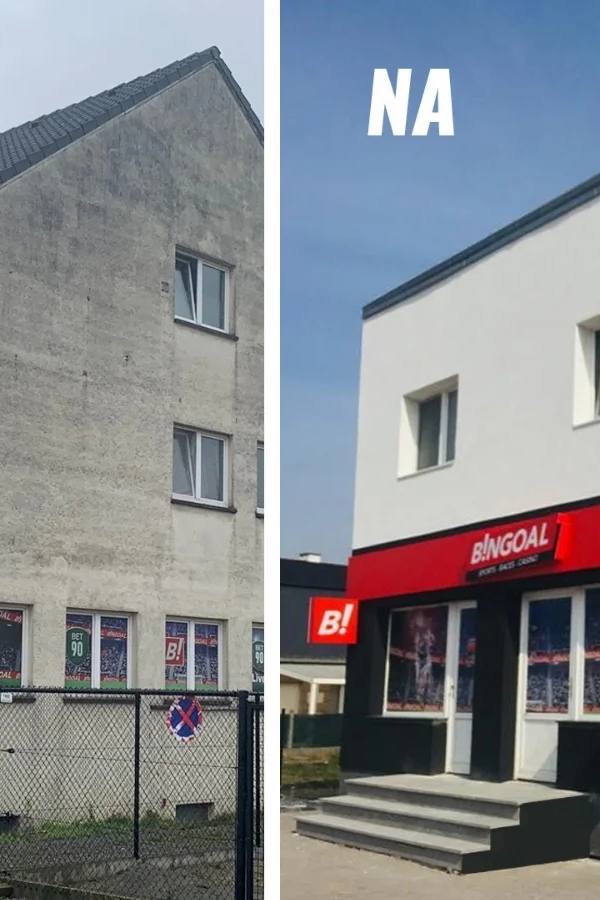
An acrylic sheet as the face. Crisp, rigid and highly colourfast. Excellent for smaller formats: a shop sign or a light box above an entrance. At large sizes, acrylic becomes heavy and expensive.
A light box is an illuminated frame with a printed face. Where built-up letters only show your name, a light box gives you a whole surface for image, colour and message. The face decides the rest: acrylic for a crisp, rigid finish, or fabric for large formats and an easily changed image.
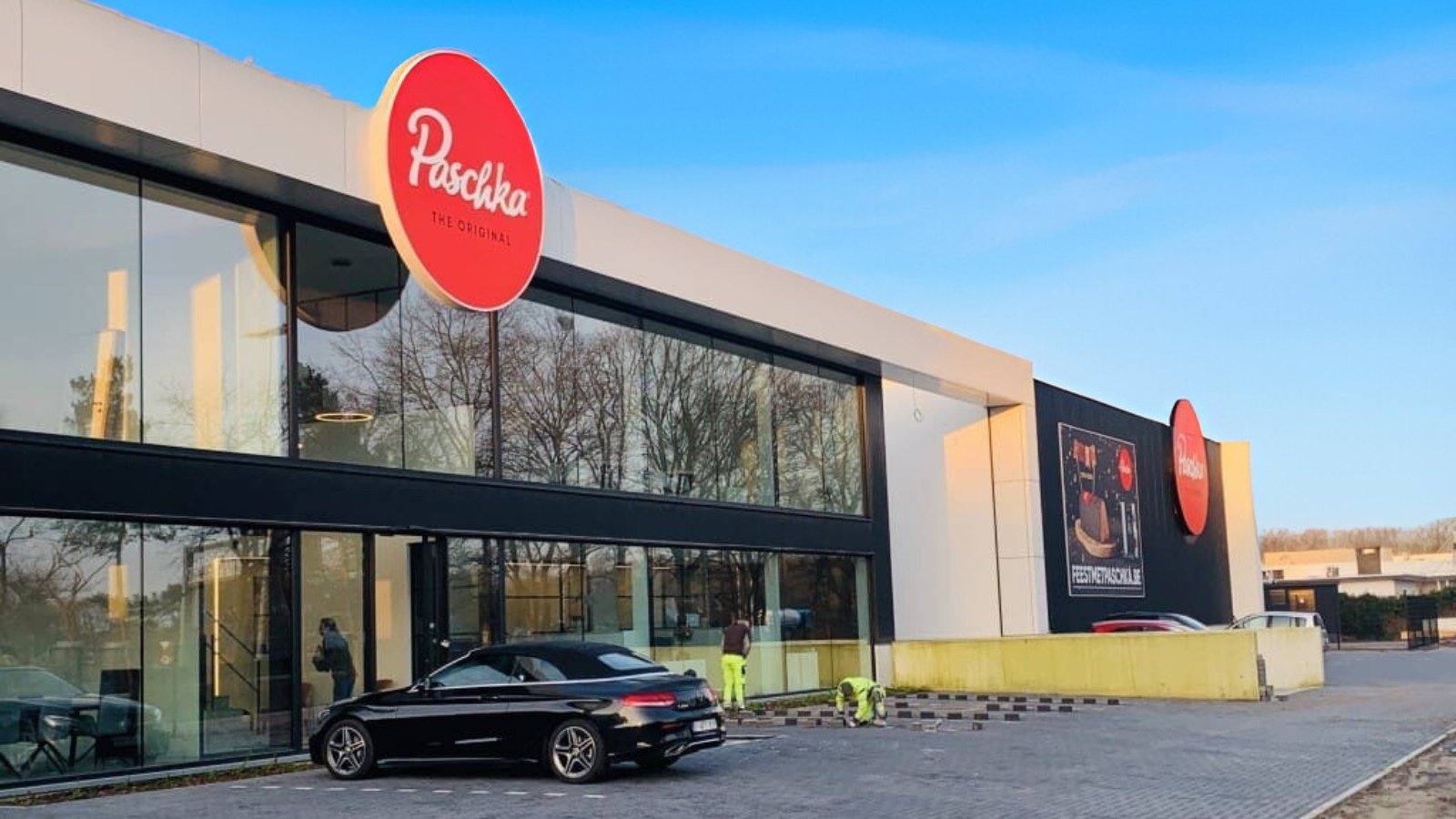
An acrylic sheet as the face. Crisp, rigid and highly colourfast. Excellent for smaller formats: a shop sign or a light box above an entrance. At large sizes, acrylic becomes heavy and expensive.
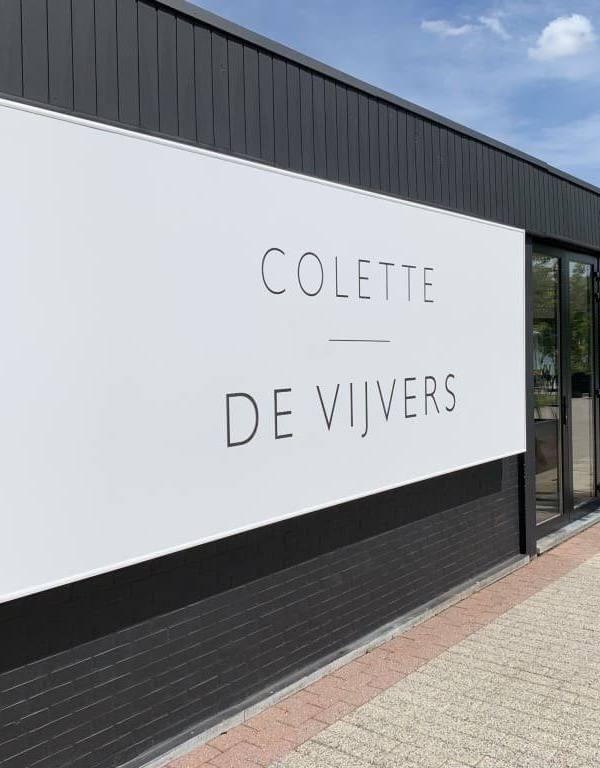
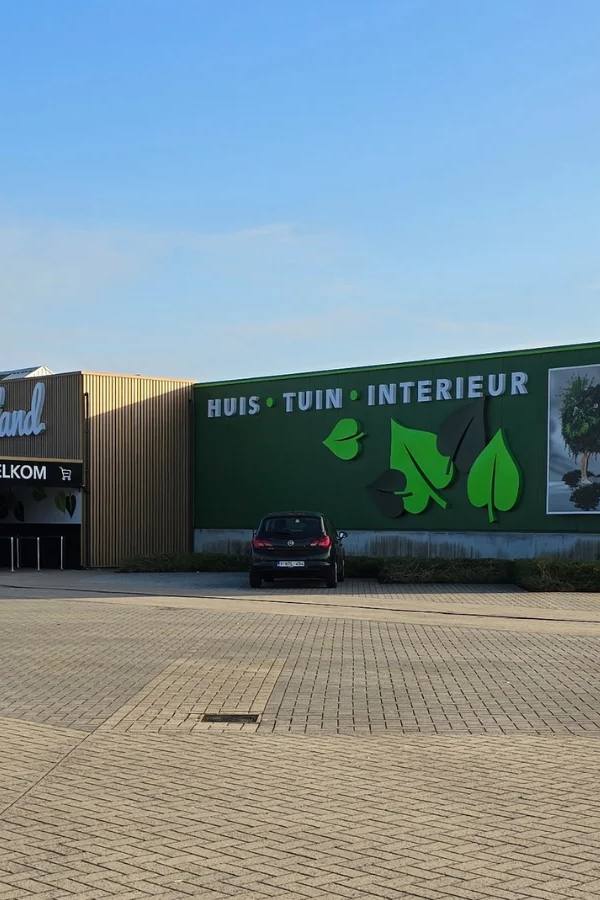
A tensioned textile face, lit from within. The solution for large formats: seamless across metres, even light without hotspots, and a fabric you can replace yourself for a new campaign.
From first sketch to maintenance — one partner who handles everything in-house.
You call one number. We measure, design, produce, install and maintain. No fragmented responsibility, no waiting on subcontractors pointing at each other.
A 3D visualisation of your own façade or space, by day and by night. We only start producing once that image is right. No surprises afterwards.
Custom work from our own workshops, without intermediaries. That means a shorter lead time, a sharper price, and changes that are genuinely still possible.
ISO 9001 and ISO 14001. Colourfast, weather-resistant materials and energy-efficient LED lighting. With long-term service and maintenance.
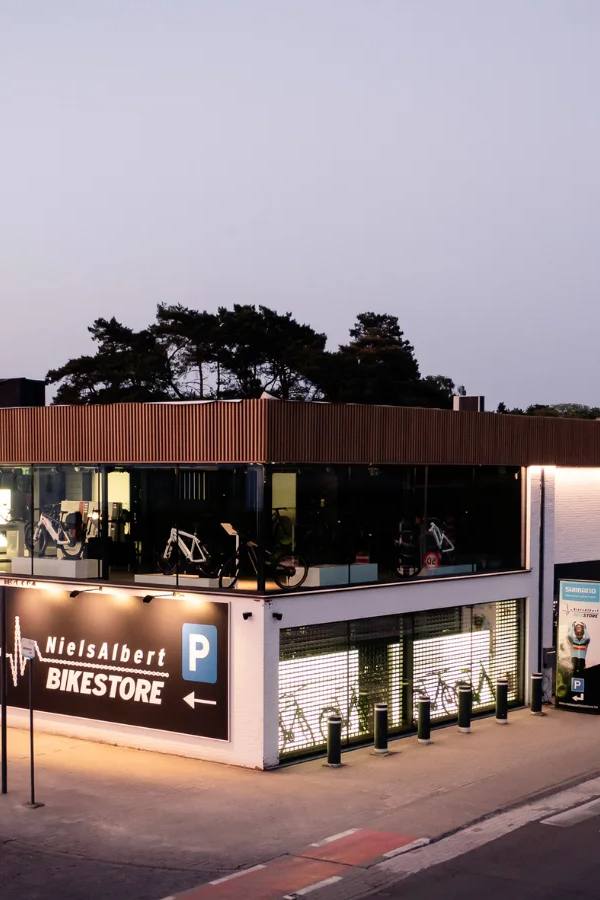
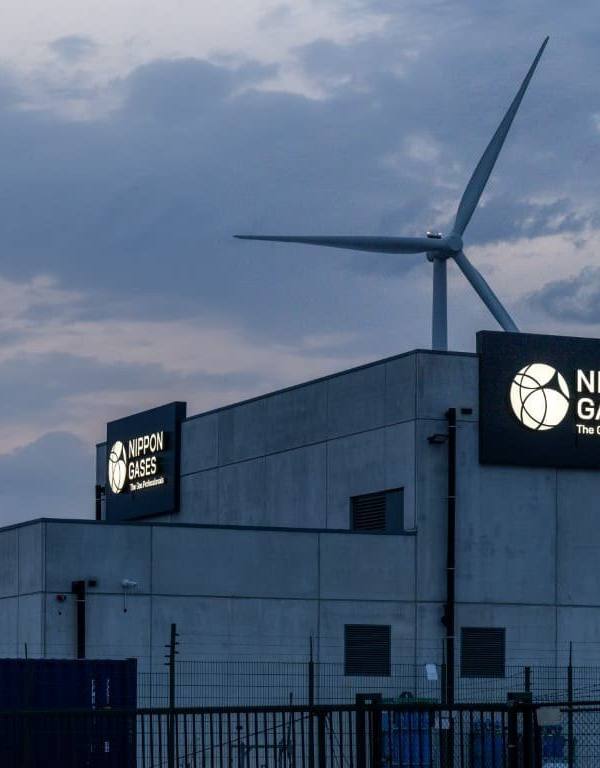
A light box is a sealed housing with a translucent face that is lit from within. An unlit fascia sign disappears after sunset, while a light box keeps working all evening, which is exactly when many shops, restaurants and service businesses see their customers walk past.
The trade also uses the terms illuminated sign, illuminated fascia, sign box and lightbox.
An acrylic face is rigid, scratch resistant and the classic choice outdoors. The graphics are applied in vinyl, or the acrylic is coloured through so the lettering lights up while the rest of the face stays dark.
A tensioned fabric face gives a more even light and runs seamlessly into the edge, which makes large formats possible without visible joins. You also change a fabric face in a few minutes, whereas replacing or re-vinyling an acrylic face is a good deal more work. If your message changes regularly, fabric is usually the wiser choice.
Modern light boxes run on LED modules. The point to watch is not the LED itself but the spread: too few modules, or too shallow a housing, gives hotspots, the bright patches you see where each LED sits. A properly built box has a depth that matches the module spacing, with a diffuser layer in between.
LED draws a fraction of what the old fluorescent tubes needed and lasts for years without replacement. If you have an older box, converting it to LED is therefore often more sensible than replacing it, because the housing itself is usually still sound.
A light box fitted flat against the façade is single sided and is read by anyone standing directly in front of it. A projecting box, a hanging sign, is double sided and is read by anyone walking or driving along the street. On a shopping street that second option is often far more effective, because nobody stands square to your façade until they have already gone past.
Illuminated fascia signage almost always needs permission, and municipalities apply rules on size, projection over the public highway, brightness and sometimes on switching off at night. In protected townscapes and village centres the conditions are stricter. Allow for lead time and raise this early in the project.
The size and the depth of the housing set the baseline. After that it depends on whether the box is single or double sided, which face goes in, how much LED output is needed for an even image, and the structure that carries it on the façade. Installation weighs heavily: working at height over a footpath calls for access equipment and sometimes a permit to occupy the public highway.
Then there is the power supply. If no cable runs to the box yet, electrical work is added.
We design, build, install and connect, and we help with the permit file by supplying the drawings your municipality asks for. Send us a photo of the façade with the position you have in mind, the width available and whether power is already there, and a proposal comes out of it.
What you see here is a selection. Our range is considerably wider — in sizes, materials and finishes that we cannot all show online. Tell us what you need it for and where it has to go, and we will work out what fits.
Ask your questionWe think along from the first sketch through to installation and maintenance.