
Barrier tape
Barrier tape for quickly and temporarily marking off areas during works or events. Highly visible and easy to put up.
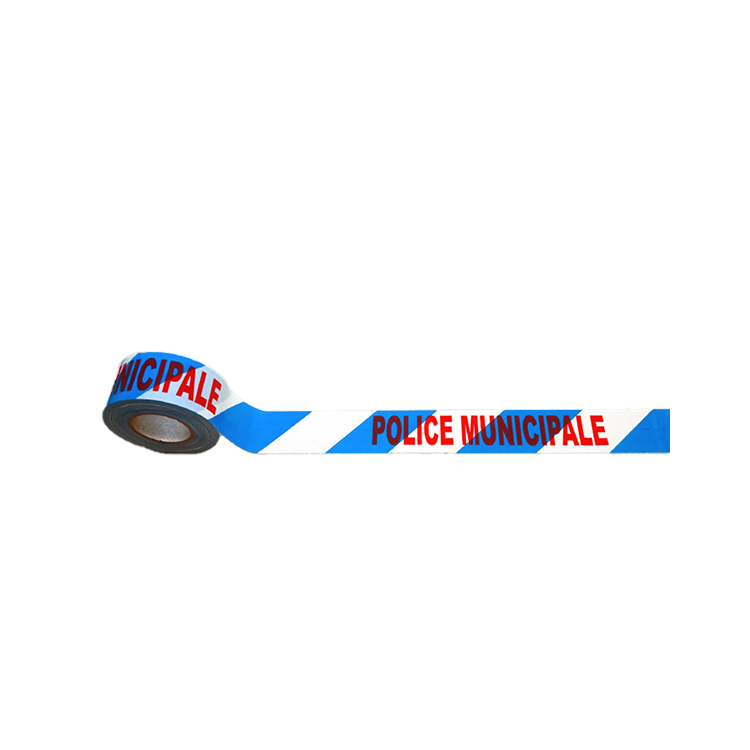
Alle barrier tape
Prijzen zijn beschikbaar in het Herva-Doublet Platform.
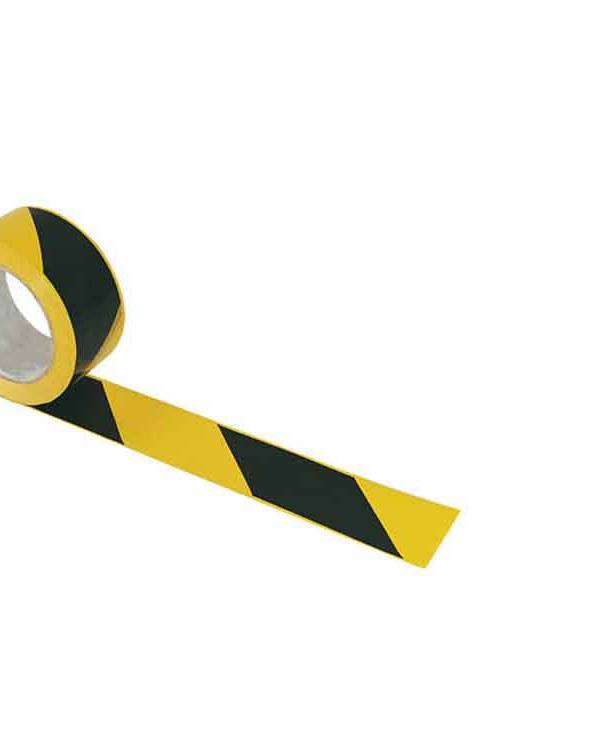
Yellow and black barrier tape
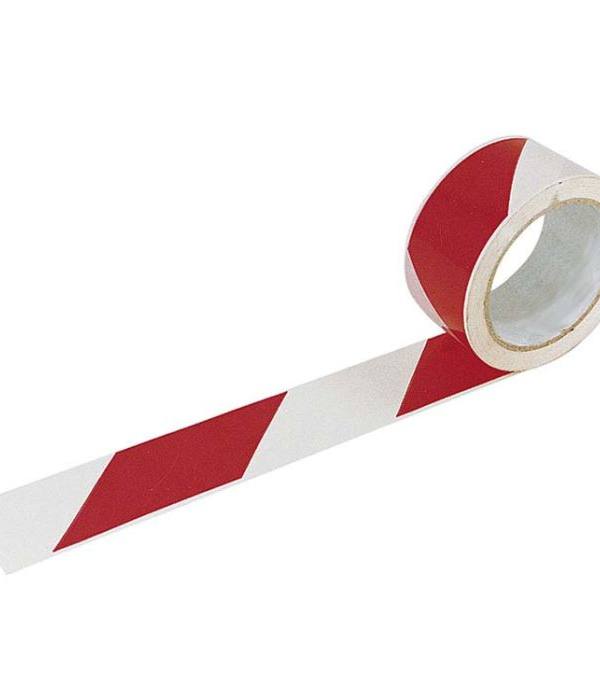
Red and white barrier tape
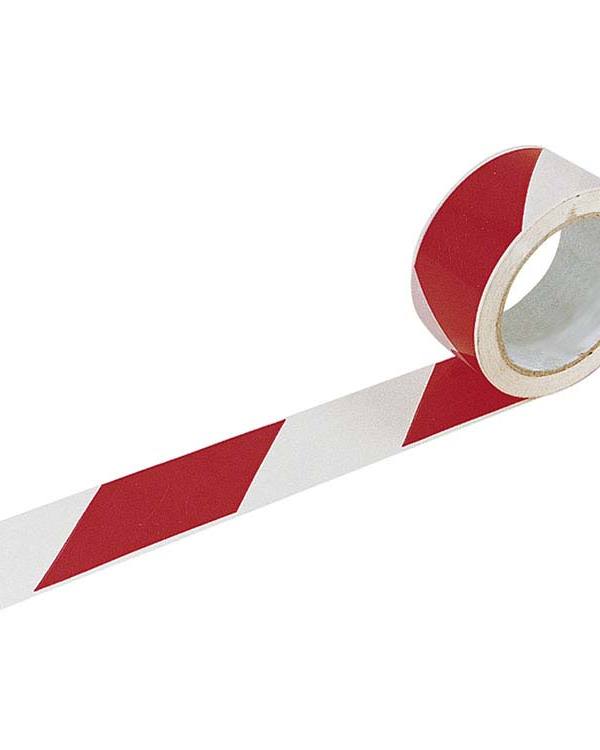
White and red barrier tape

Printed bio-based barrier tape
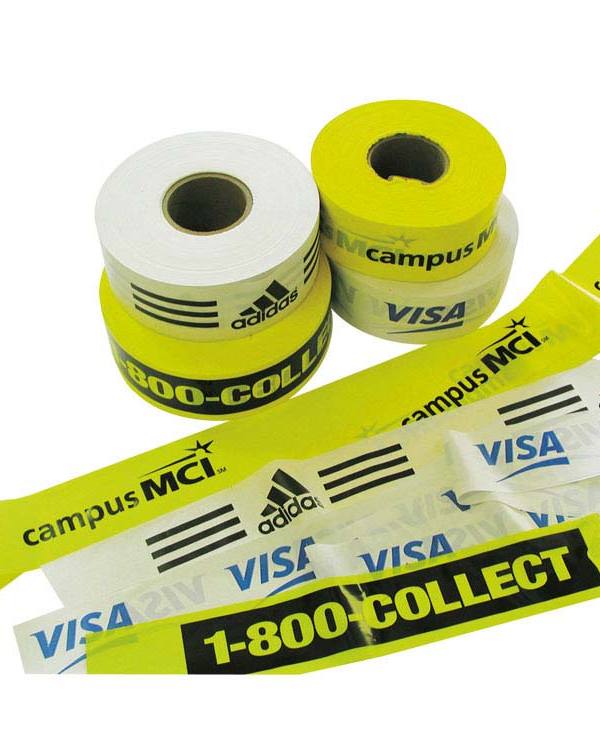
Printed polyethylene barrier tape
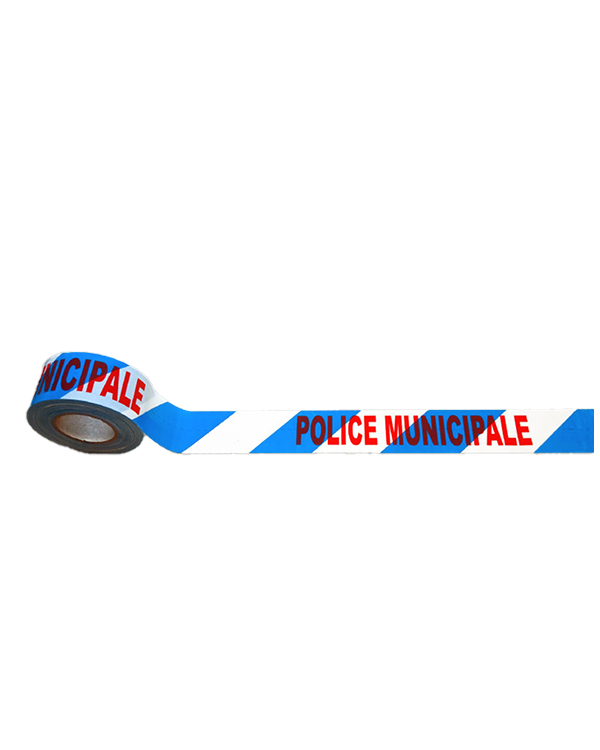
Pre-printed barrier tape
- Our approach
- 1Advice
- 23D design
- 3Production
- 4Installation
- 5Maintenance
What this gives you
From first sketch to maintenance — one partner who handles everything in-house.
One partner, from A to Z
You call one number. We measure, design, produce, install and maintain. No fragmented responsibility, no waiting on subcontractors pointing at each other.
You see it before it exists
A 3D visualisation of your own façade or space, by day and by night. We only start producing once that image is right. No surprises afterwards.
In-house production in Olen
Custom work from our own workshops, without intermediaries. That means a shorter lead time, a sharper price, and changes that are genuinely still possible.
Built to last
ISO 9001 and ISO 14001. Colourfast, weather-resistant materials and energy-efficient LED lighting. With long-term service and maintenance.
Barrier tape for worksites, events and temporary zones
Barrier tape is the fastest way to cordon off an area. A roll, two fixed points and a few seconds are enough to make clear where people should not go. That is exactly why it belongs in the basic kit of every worksite, every event organiser and every technical department.
We supply barrier tape to contractors, municipalities, technical departments, event organisers, fire and emergency services and companies, in standard versions and printed with your own wording.
What it is for, and what it is not for
Barrier tape communicates a boundary. It stops nobody physically, and in practice that distinction matters. For an area that does have to be physically screened off, such as an open trench, a pit or a dangerous machine, you need fencing, barriers or crowd control barriers. Tape marks; it does not secure.
Where it does work well: indicating a freshly painted or freshly mown area, guiding the public at an event, taking a parking space temporarily out of use, marking a zone while permanent signage is still to come, and quickly cordoning off an incident.
Versions
Red and white
The most recognisable version, and the reason to use it: everyone understands it immediately, without text and in any language.
Yellow and black
Generally used for warning and for marking obstacles or changes in level.
Printed tape
With a repeating text such as no entry or works in progress, or with your own company or municipal name. Printed tape carrying your name makes it immediately clear who manages the area, which saves questions and phone calls.
Heavier versions
Thicker tape, or tape with a reinforced core, for exposed windy locations or for longer spans.
Retroreflective tape
Visible in headlights, advisable for night works and incidents.
Material and width
The standard version is polyethylene: inexpensive, light, weather-resistant and resistant to tearing along its length. The width determines how visible the tape is from a distance; narrower tape is enough on an enclosed site, wider tape is better along a road or at a public event.
When buying, look at the roll length and the thickness. Very thin tape tears as you tension it and blows apart after one windy night, which means putting it up again the next morning and picking up the remnants. Slightly heavier tape costs more per metre, but over a site running several weeks it usually works out better.
Putting it up properly
A few points that make the difference between a cordon that stays up and one that is lying on the ground after a single night.
- Do not tension the tape too tightly. Some slack absorbs the wind; taut tape tears.
- Use enough support points. Over long spans the tape sags and gets overlooked.
- Combine it with beacons, cones or marker posts as supports, certainly where there are no posts or fences.
- Remove the tape as soon as the area is clear again. Tape left hanging when nothing is going on teaches passers-by that tape means nothing, and that undermines the next cordon.
- Clear up the remnants. Tape that blows loose ends up in verges, ditches and watercourses.
What determines the price?
Barrier tape has no fixed price per roll. The cost follows from the width and the thickness of the tape, the roll length, the version, whether standard red and white, yellow and black, printed or retroreflective, the number of colours and the print run where printing is involved, and the number of rolls. A printed version carries a set-up cost for the printing form; that is spread over the print run, which makes a larger order noticeably better value per roll.
Tell us the width, the version and the number of rolls you need, and you will get a quotation in which all of that is visible.
Ordering or asking for advice
Tell us what you are using the tape for and how long it has to stay up. We will propose a version that lasts, and we will say when you are better off with fencing or crowd control barriers.
Projects
All projects
Frequently asked questions
Voldoen jullie verkeersborden aan de Belgische normen?
Wanneer zijn podotactiele noppentegels verplicht?
Wat is het verschil tussen wayfinding en signalisatie?
Beschermen jullie ook muren tegen heftrucks?
Didn't find what you were looking for?
What you see here is a selection. Our range is considerably wider — in sizes, materials and finishes that we cannot all show online. Tell us what you need it for and where it has to go, and we will work out what fits.
Ask your questionAccess to prices and ordering
Request access to our Herva-Doublet Platform. We review your request personally.