Façade panel – direct print
Sturdy aluminium composite panel, printed directly for a crisp and durable result. For façade and outdoor applications.

Dibond is an aluminium composite panel: two thin aluminium layers with a plastic core in between. Sturdy, perfectly flat, and it stays flat — it does not warp the way plastic does. It is the most common material for façade panels. The only question is how the image gets onto it.
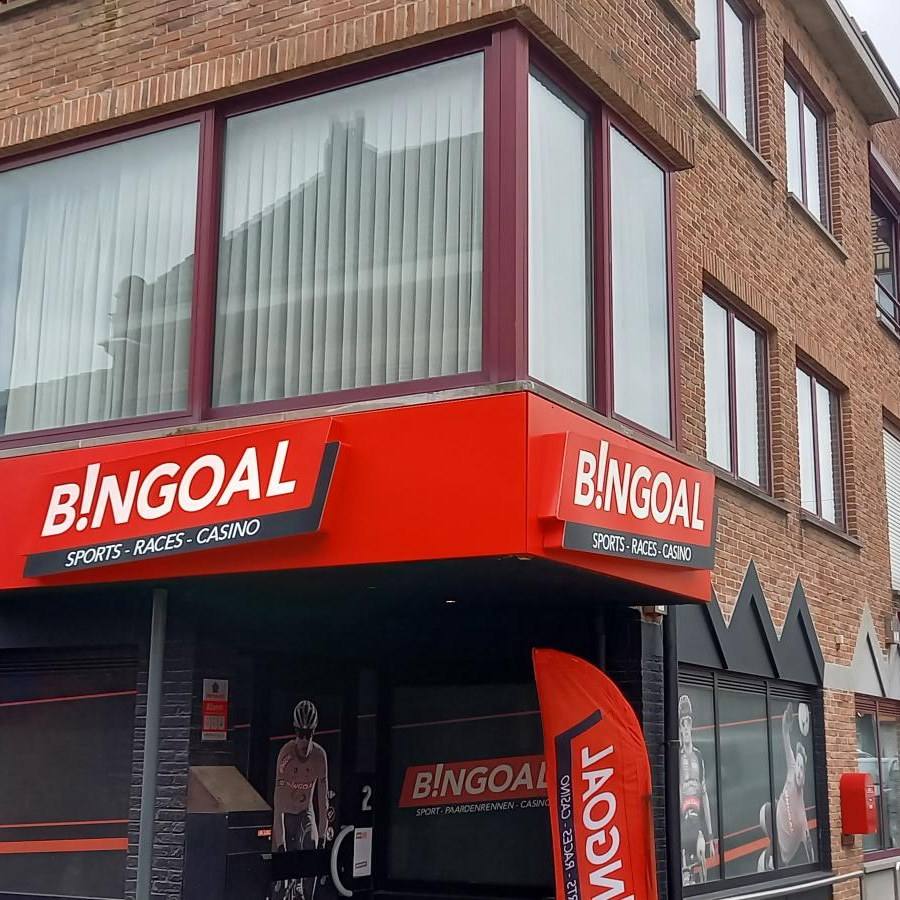
Sturdy aluminium composite panel, printed directly for a crisp and durable result. For façade and outdoor applications.
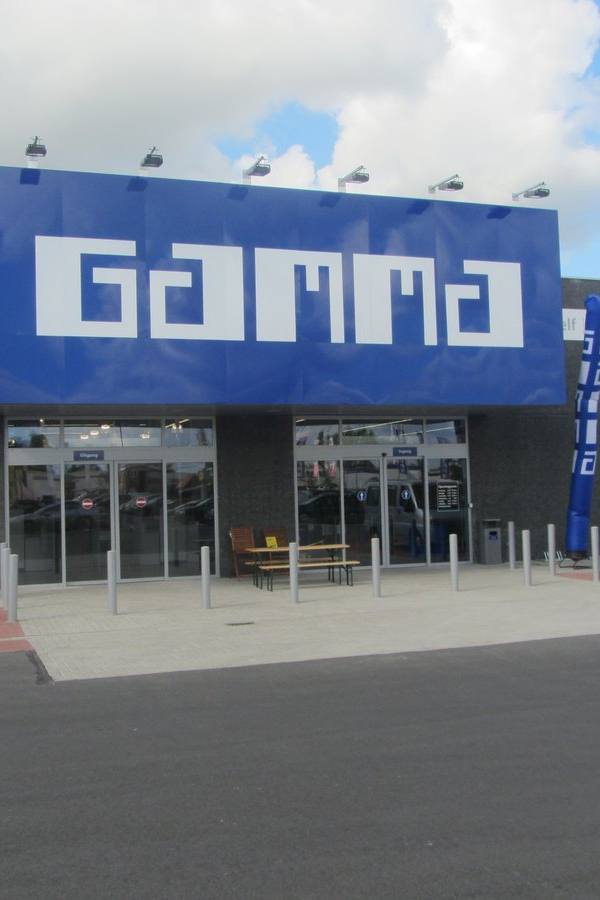
The image is printed on film, applied to the panel and finished with a protective laminate. Slightly dearer than direct printing, but the laminate shields against UV and scratches — the colours stay good for considerably longer.
From first sketch to maintenance — one partner who handles everything in-house.
You call one number. We measure, design, produce, install and maintain. No fragmented responsibility, no waiting on subcontractors pointing at each other.
A 3D visualisation of your own façade or space, by day and by night. We only start producing once that image is right. No surprises afterwards.
Custom work from our own workshops, without intermediaries. That means a shorter lead time, a sharper price, and changes that are genuinely still possible.
ISO 9001 and ISO 14001. Colourfast, weather-resistant materials and energy-efficient LED lighting. With long-term service and maintenance.
A façade panel is a flat panel carrying your name, logo or message, fixed to a building front. It is the simplest and most widely used form of business signage: no structure, no power supply, no moving parts. A well-installed façade panel does its job for twenty years without anyone having to look at it.
The trade also uses the terms façade sign, nameplate, company sign, dibond sign and wall panel.
Dibond is an aluminium composite panel: two thin aluminium skins with a plastic core between them. That build gives it the flatness and rigidity of metal at a weight you can still hang with two hands. It does not rust, it does not sag in the sun and it stays flat, and that last property is what makes a façade panel look professional.
It is a material name that has become a generic term in the trade, as happens with a number of building materials.
We print directly onto the panel, or we apply cut vinyl. Direct printing is the choice for images, photographs and gradients. Cut vinyl is the choice for crisp logos and lettering in solid colours, and gives a slightly deeper, more even result in flat areas of colour.
For outdoor panels that need to last for years, a protective laminate goes over the print to hold off UV and scratching.
How the panel meets the wall determines how it looks. Bonded or screwed flat is the plainest and most economical method. On standoffs, small metal barrels that hold the panel a few centimetres off the wall, the sign gains depth and a shadow line, and air can circulate behind it. That last point is not only aesthetic: on a damp north-facing wall it prevents dirt streaks.
On an insulated façade there is a point to watch. The fixing has to reach through to the load-bearing structure; a screw seated only in the insulation or the render will not hold a panel.
Non-illuminated façade signage within certain dimensions is often exempt, but the rules differ from one municipality to the next and are stricter in protected settings. Check this before you produce.
The size and the panel thickness set the baseline. After that comes the finish: directly printed or vinyl, with or without laminate, rectangular or contour cut. And above all the installation, which means the height, the access, the type of façade and whether a cherry picker or scaffolding is needed. A sign at two metres is a different project from the same sign at eight metres above a footpath.
We print, cut, laminate and install, including the fixings that suit your type of façade. Send us a photograph of the building with the position you have in mind, the available width and your logo, and a proposal will come out of that.
What you see here is a selection. Our range is considerably wider — in sizes, materials and finishes that we cannot all show online. Tell us what you need it for and where it has to go, and we will work out what fits.
Ask your questionWe think along from the first sketch through to installation and maintenance.