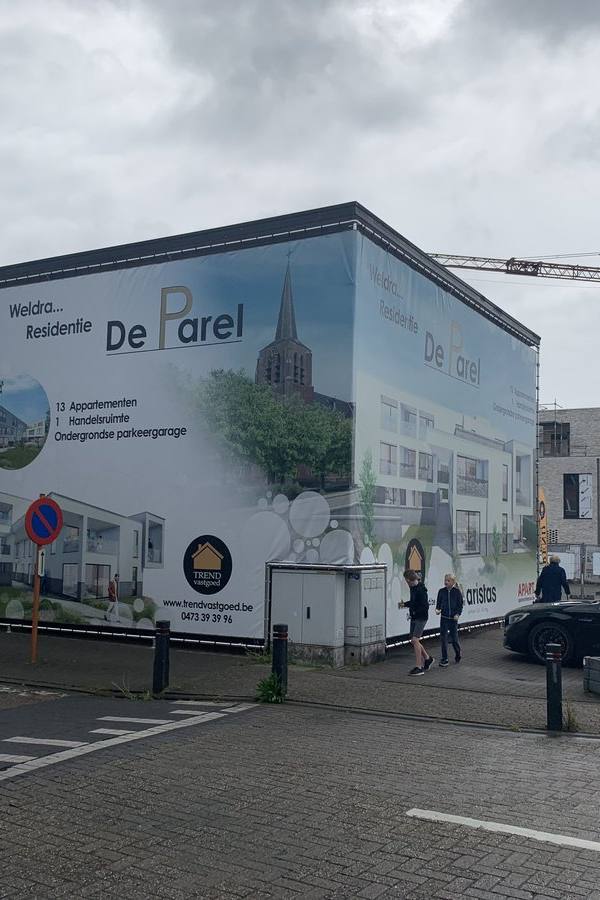
Custom banner – PVC
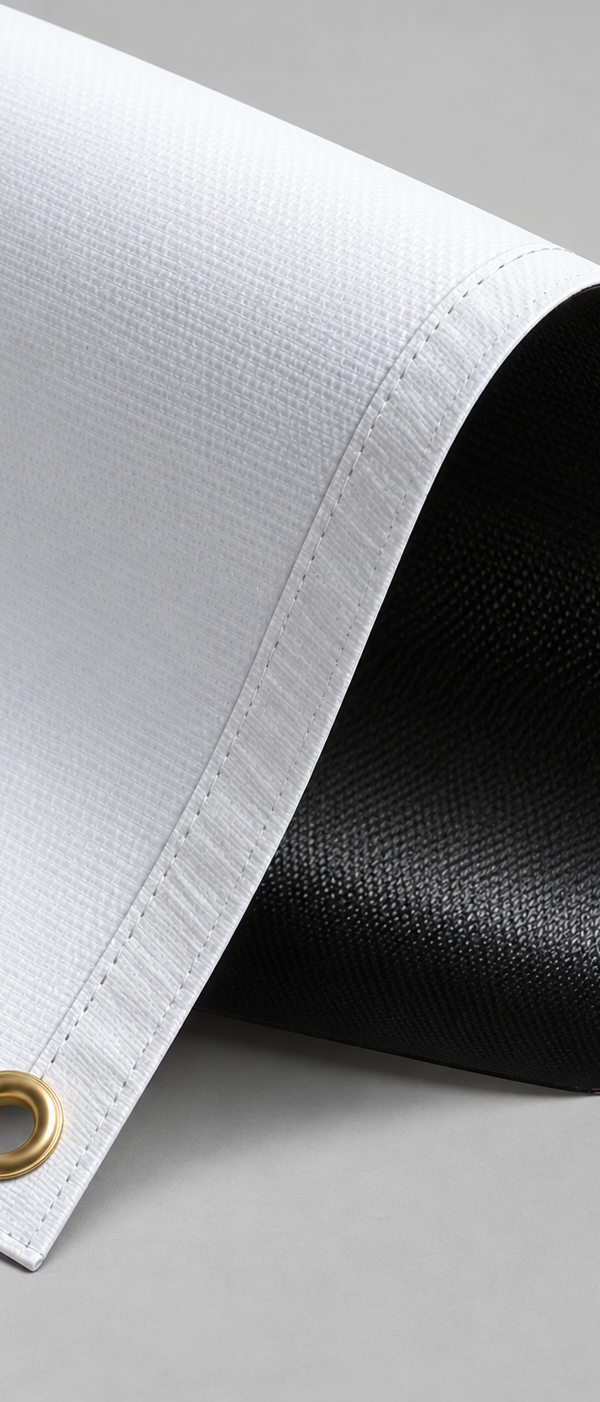
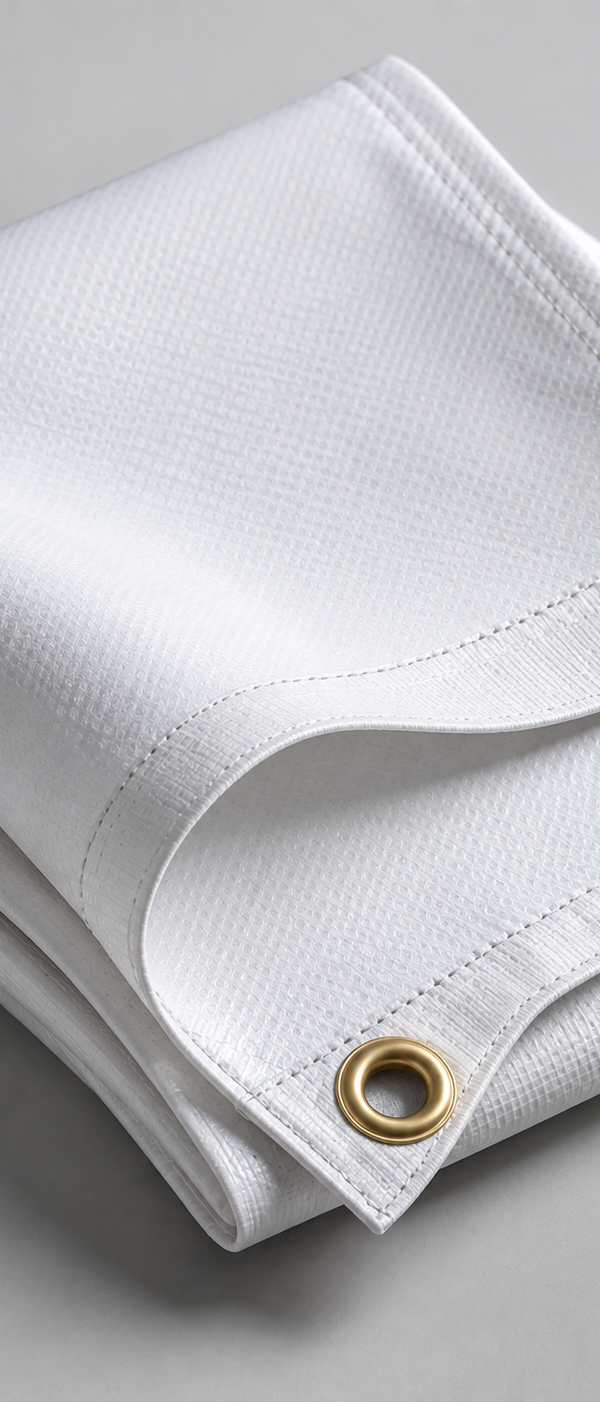
Opaque, colourfast and tear-resistant. The standard for banners up to a few metres, in a sheltered position where wind is not a factor.

A banner is the fastest way to be visible on a large scale. But the material decides whether it stays taut for years or hangs slack and faded after one season. Three materials, three situations.
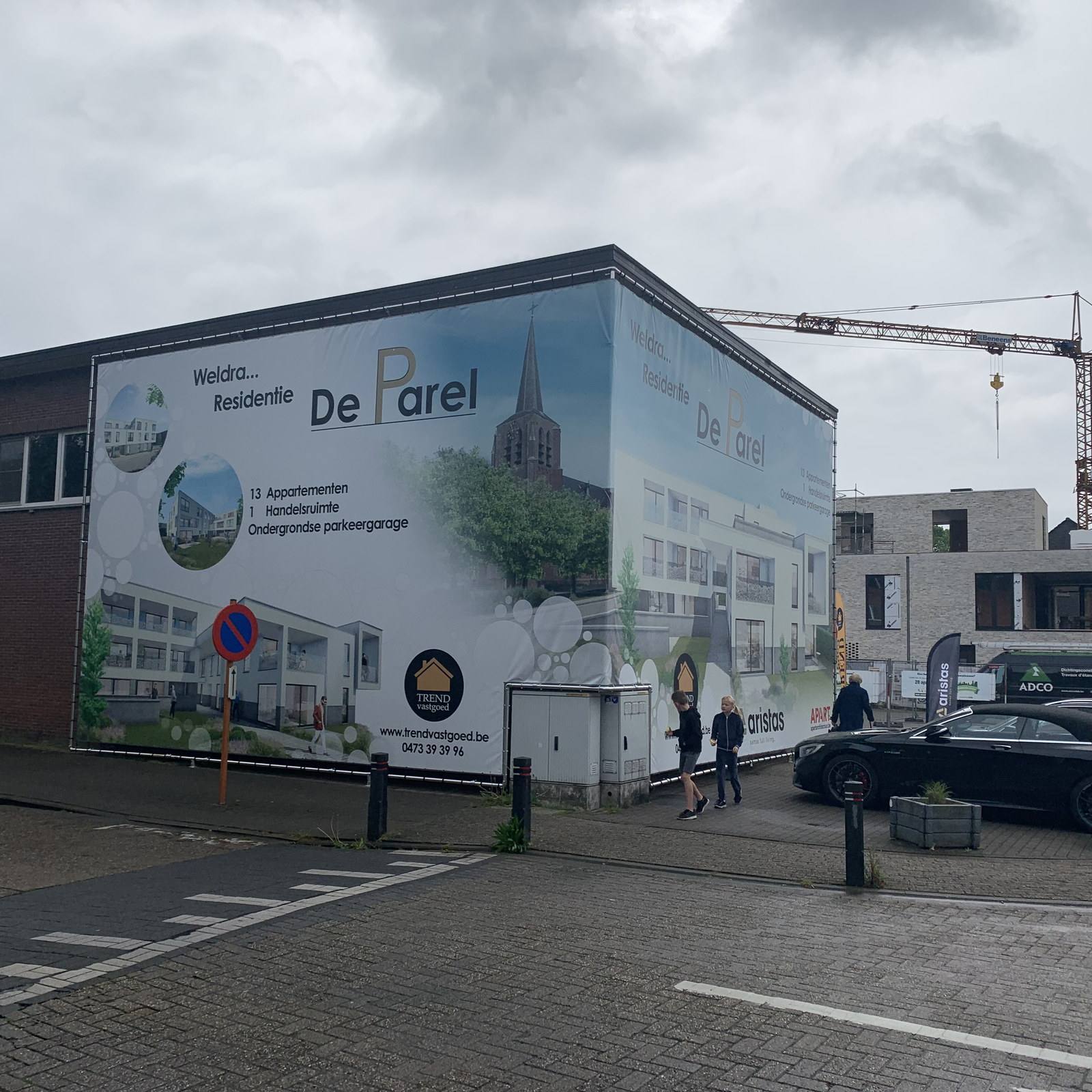
Opaque, colourfast and tear-resistant. The standard for banners up to a few metres, in a sheltered position where wind is not a factor.
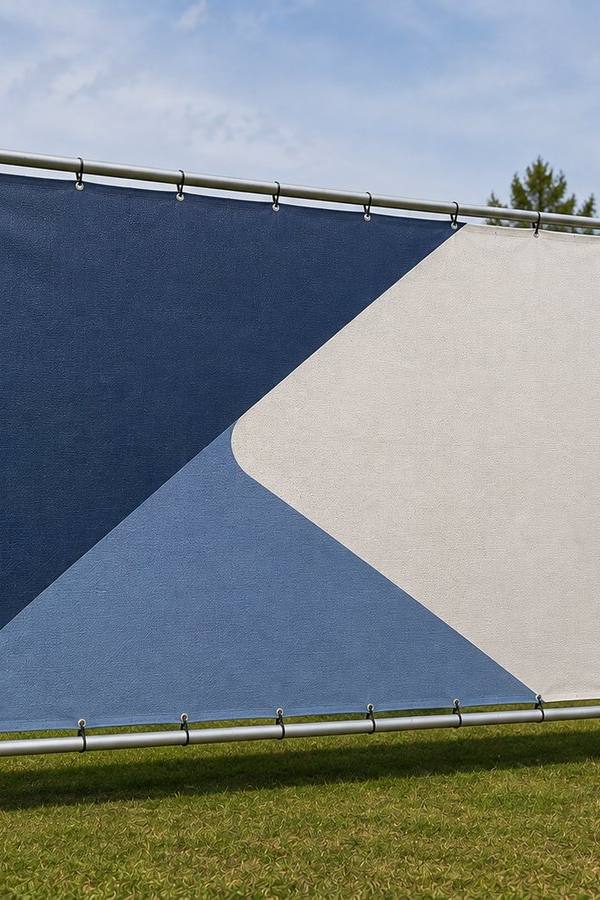
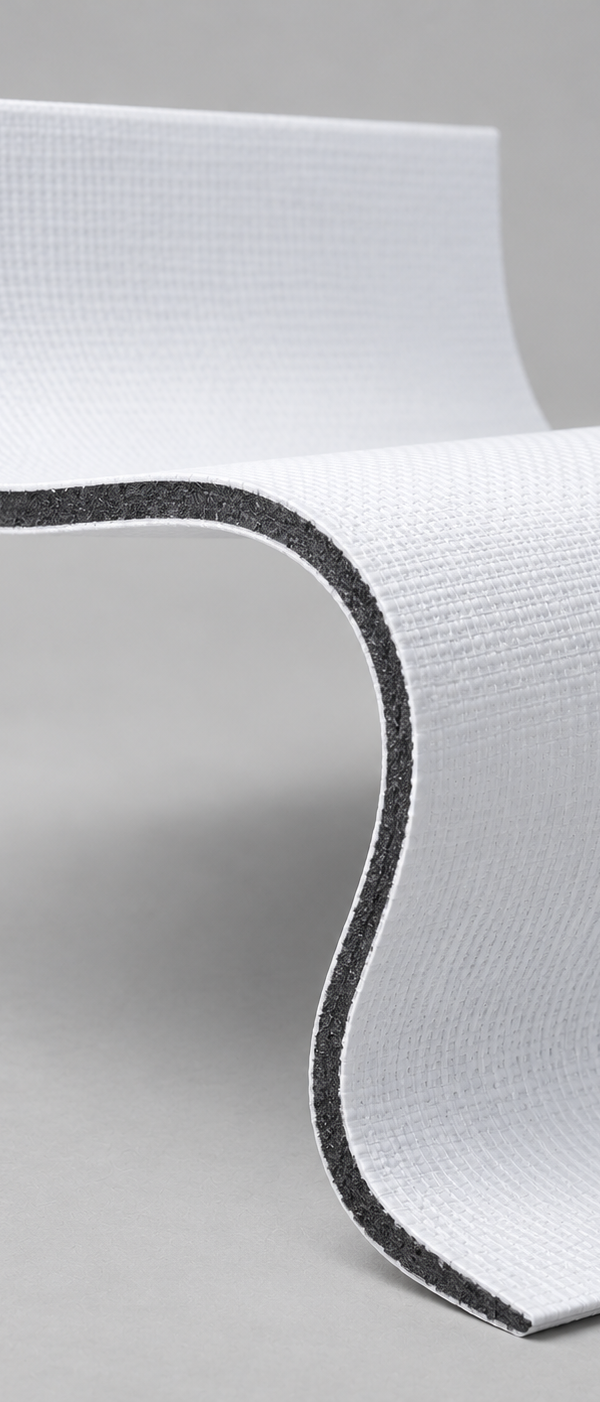
PVC-free and recyclable, without the environmental drawbacks of classic PVC. Slightly more expensive to buy. For those who extend sustainability into temporary communication too.

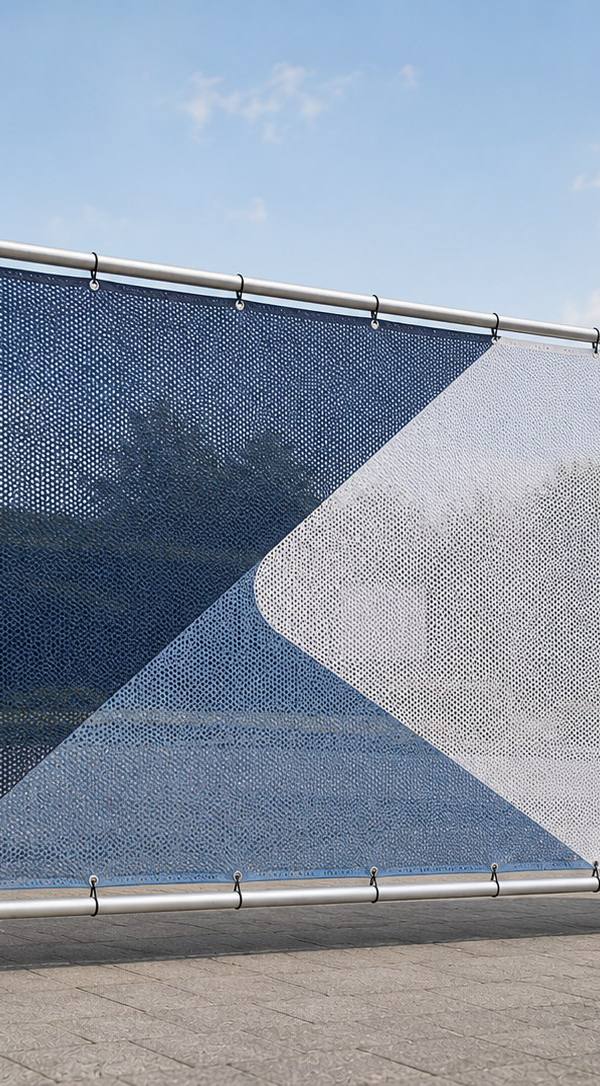
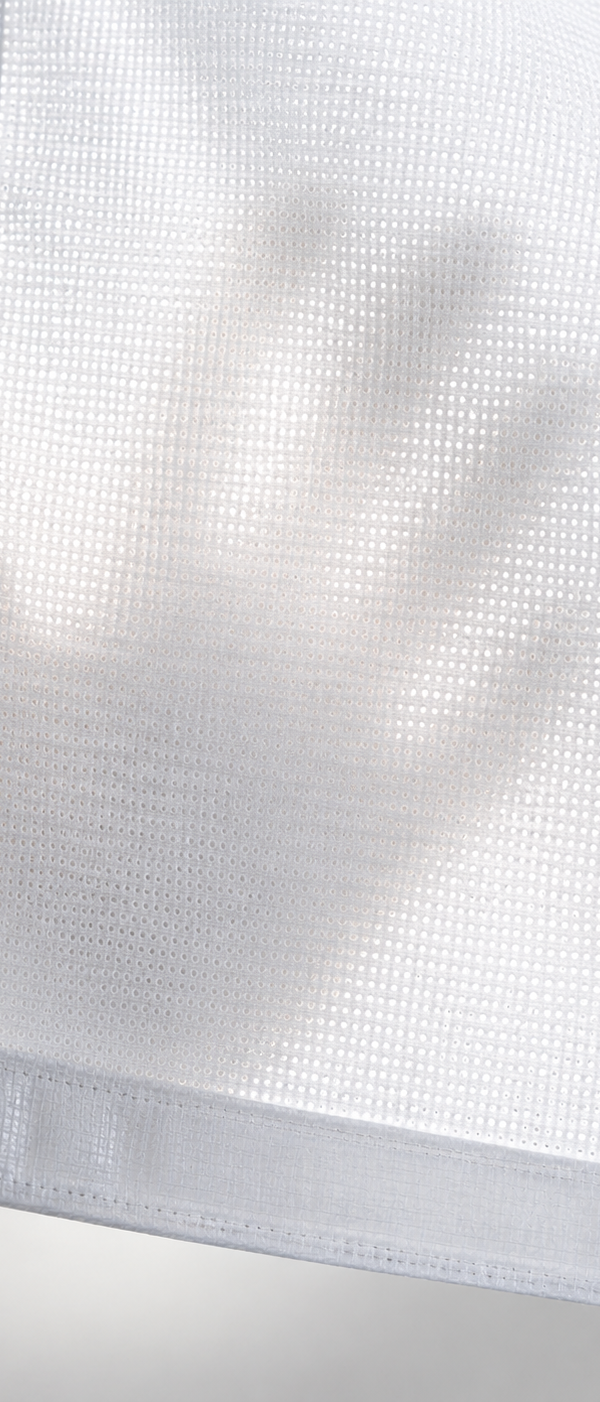
Perforated, so wind can pass through. Not a luxury but a necessity for large banners at height or in the open — a solid banner behaves like a sail there.

From first sketch to maintenance — one partner who handles everything in-house.
You call one number. We measure, design, produce, install and maintain. No fragmented responsibility, no waiting on subcontractors pointing at each other.
A 3D visualisation of your own façade or space, by day and by night. We only start producing once that image is right. No surprises afterwards.
Custom work from our own workshops, without intermediaries. That means a shorter lead time, a sharper price, and changes that are genuinely still possible.
ISO 9001 and ISO 14001. Colourfast, weather-resistant materials and energy-efficient LED lighting. With long-term service and maintenance.
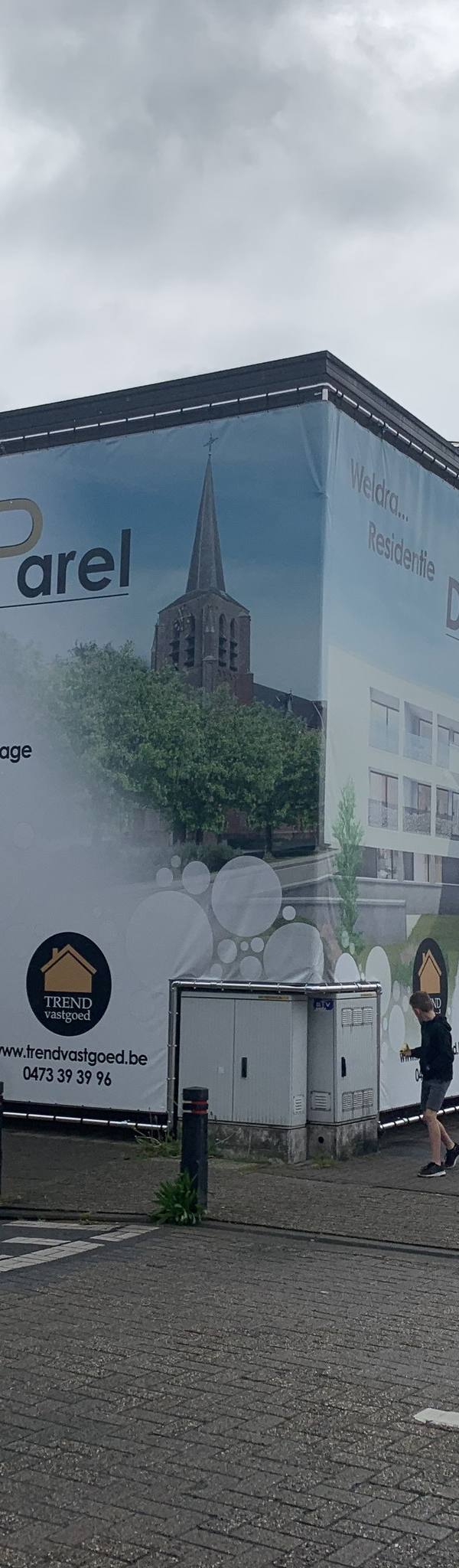
A banner is a printed cloth tensioned between fixing points: on a façade, on a fence, in a frame or between two posts. Made to measure means the size is set by the location, not by a standard format you have to bend to.
Anyone searching for banner, advertising banner, PVC banner, publicity banner or façade banner means the same product.
Standard PVC is the workhorse: a smooth, opaque banner material with strong colour reproduction. It is the default for façades, fences and frames where the wind is not extreme.
Mesh is perforated. The thousands of small openings let the wind through, which sharply reduces the pull on the fixings. On high façades, along motorways, on scaffolding and on open ground, mesh is not an alternative but the only right choice. The trade-off: because light passes through it, the colour looks slightly less deep than on solid PVC.
There is also a PVC-free, recyclable alternative, chosen by organisations that tender on that basis or have to account for it publicly.
The edge determines the lifespan. As standard a banner gets a hemmed edge with eyelets at regular intervals, so that the pull is spread out instead of gathering in the corners. For heavier applications there is a reinforced hem with a rope inside it.
Fixing is done with tensioners, cable ties or bungee ties. Never work with only the four corners on a large banner: the first storm goes straight through it.
In normal outdoor use and correctly tensioned, a banner lasts several years. What shortens that is almost always the same thing: tensioned too loosely, so the banner flaps and the eyelets tear out, or pulled too tight in the corners, so the material distorts there. Colours fade gradually under UV, and deep blues and reds hold out less well than dark and neutral shades.
The surface area is the starting point, but rarely the explanation. The material counts heavily, because mesh and the PVC-free versions sit above standard PVC. The finish makes a difference, since hemming and eyelets is not the same as a reinforced hem with rope, or a keder edge for a frame. Quantity counts, because print set-up is a one-off and on a single banner it falls entirely on that one banner. And finally installation: a banner delivered to your door is not the same as a banner tensioned against a façade ten metres up.
That is why we do not name a figure per square metre without knowing the location. Two banners of the same size can end up far apart, because one hangs on a fence and the other on a façade above a cycle path.
We print in house, advise on material based on where the banner will hang, finish the edges as the application requires and install it if you wish. Send us the size, a photo of the location and your design or logo, and a concrete proposal comes out of it.
What you see here is a selection. Our range is considerably wider — in sizes, materials and finishes that we cannot all show online. Tell us what you need it for and where it has to go, and we will work out what fits.
Ask your questionWe think along from the first sketch through to installation and maintenance.