Signage & wayfinding
Good signage goes unnoticed — bad signage is noticed by everyone. We take care of the first kind: wayfinding that brings visitors to the right place without thinking, and road safety that meets the standards.
For Street furniture


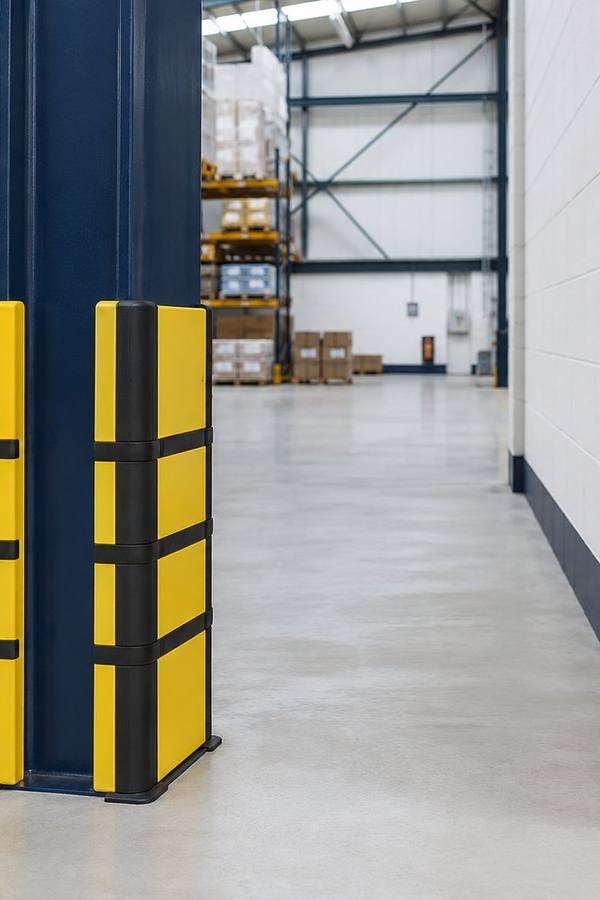

All signage & wayfinding
Prijzen zijn beschikbaar in het Herva-Doublet Platform.
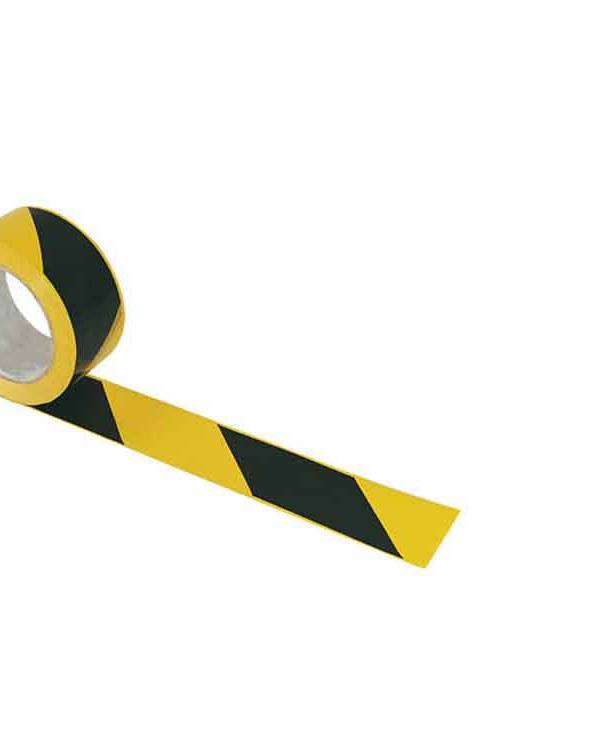
Yellow and black barrier tape
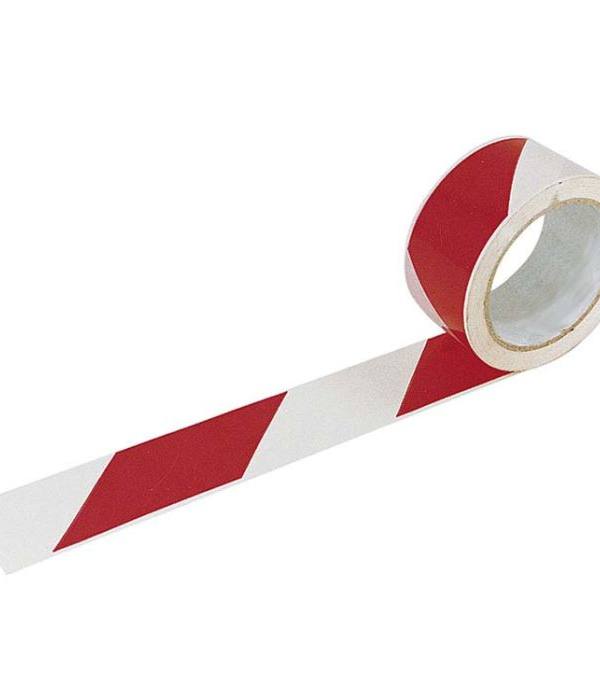
Red and white barrier tape
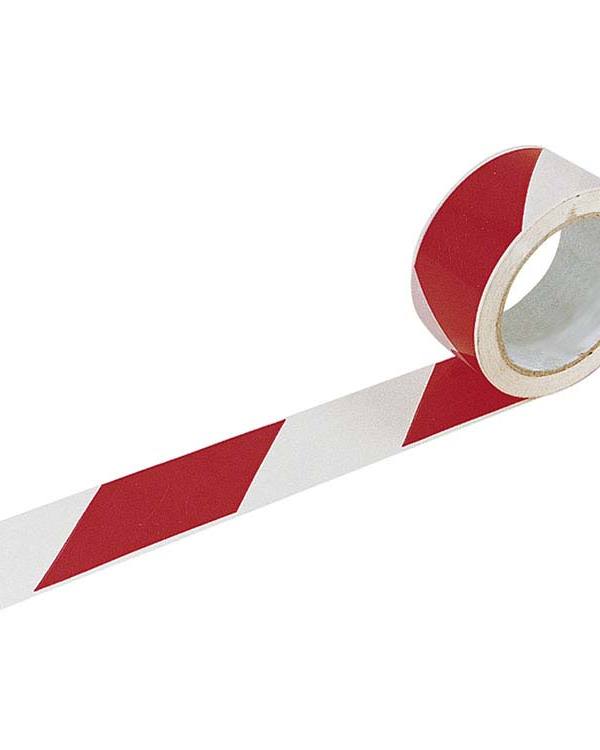
White and red barrier tape

Printed bio-based barrier tape
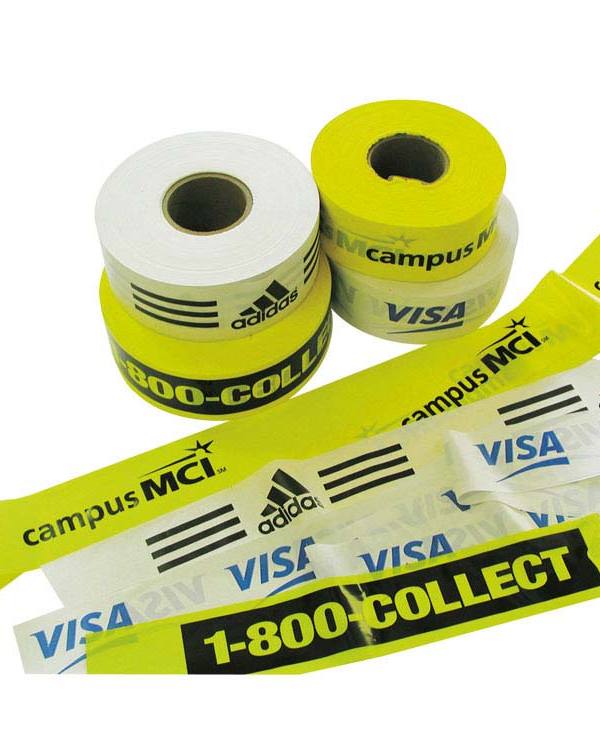
Printed polyethylene barrier tape
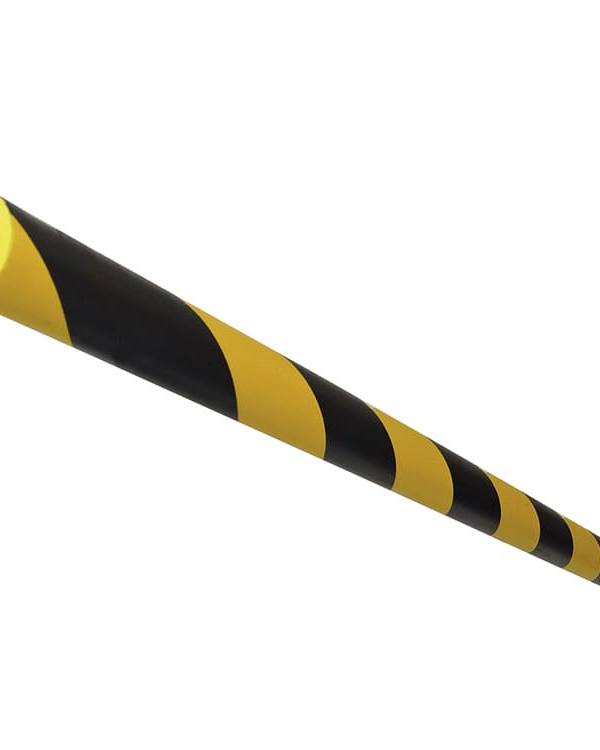
Foam protection profile (rounded corner)
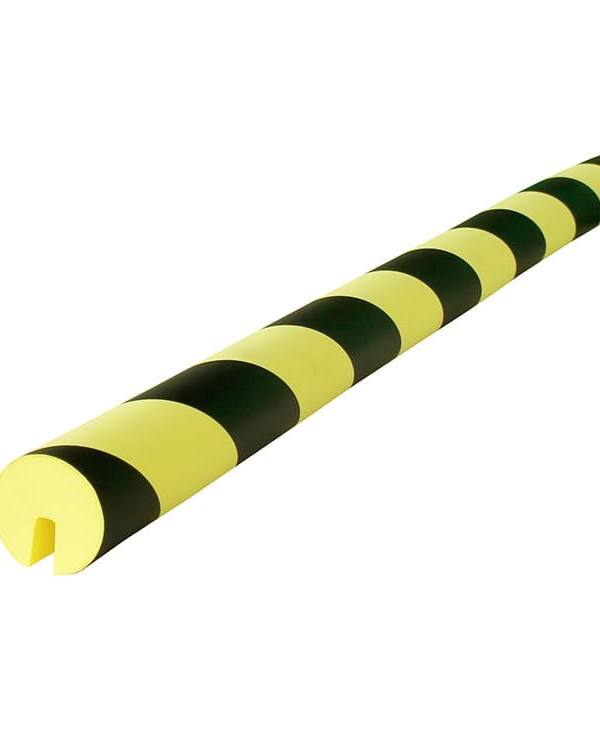
Foam edge protection profile (yellow/black)
Foam protection profile (right-angle)
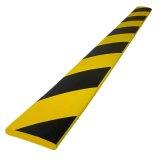
Foam protection profile (flat surface)
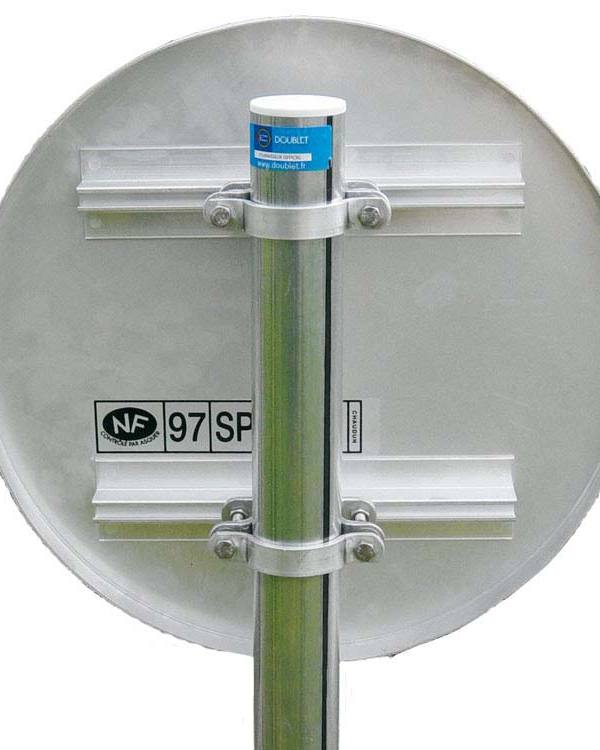
Mounting kit with aluminium tube
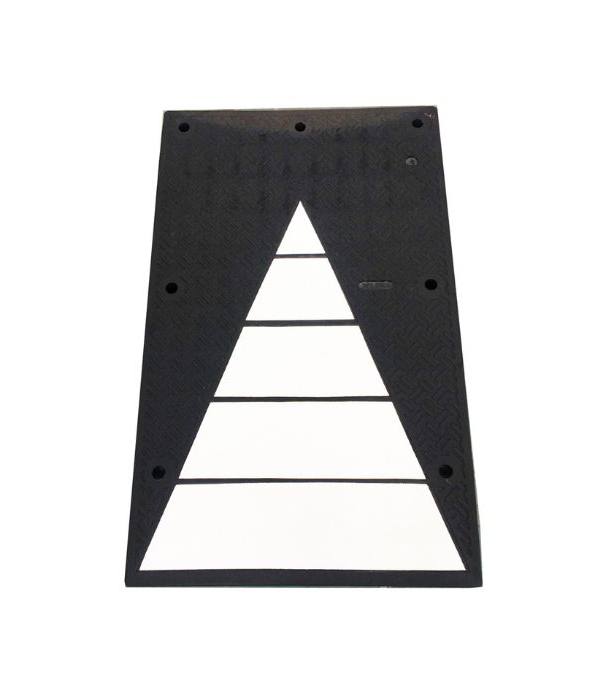
Wide access ramp for reduced mobility
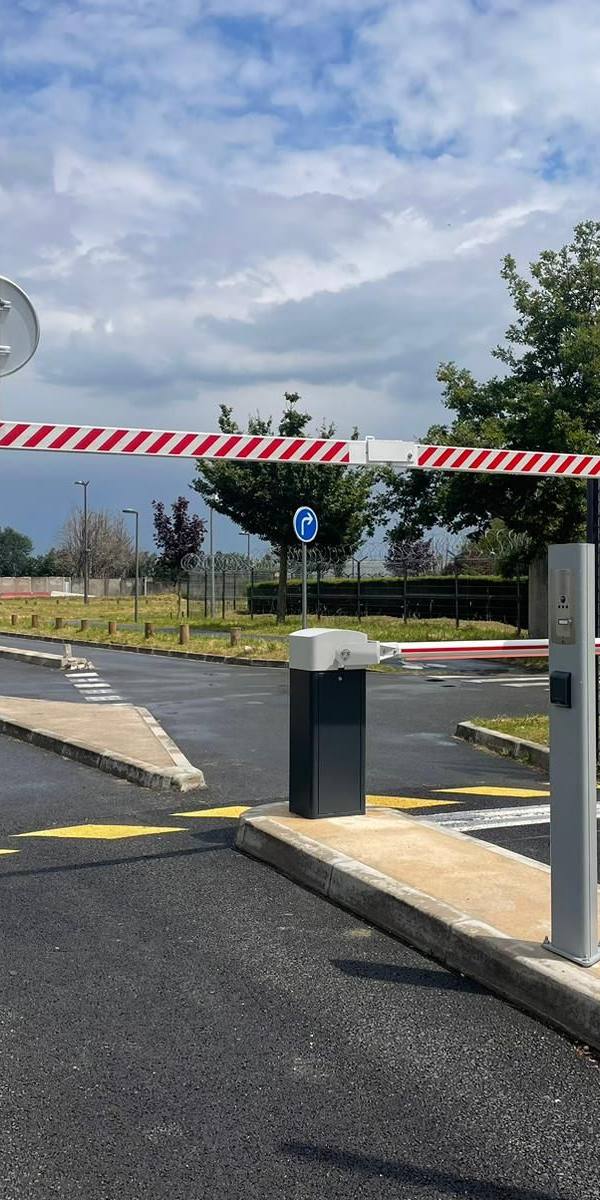
Swivelling height-restriction barrier
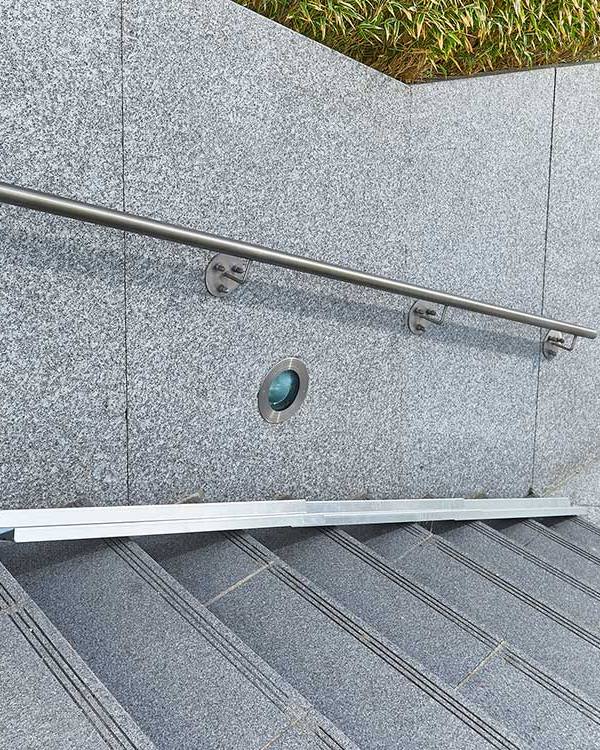
Bike ramp for stairs
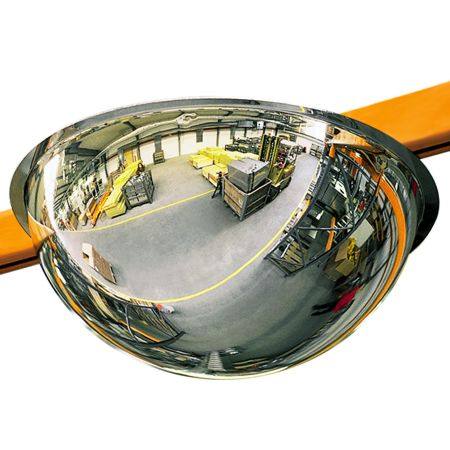
Hemispherical safety mirror
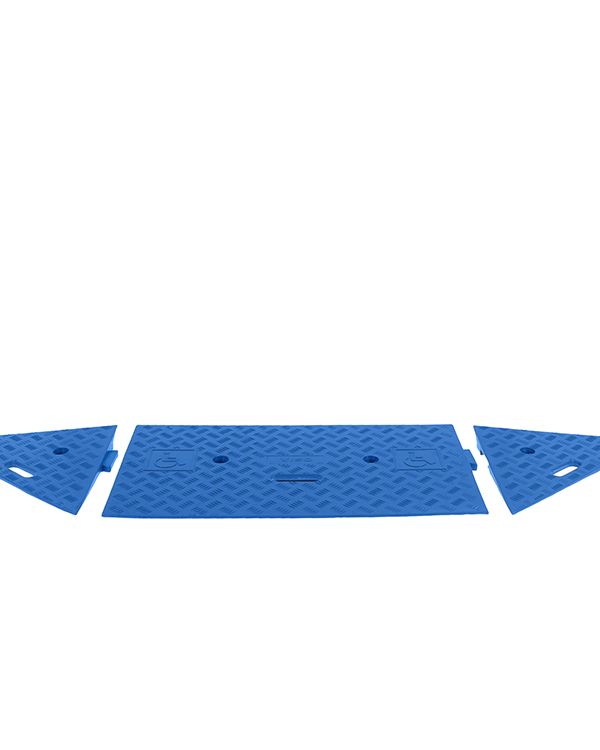
Corner piece for cable ramp (accessible crossing)
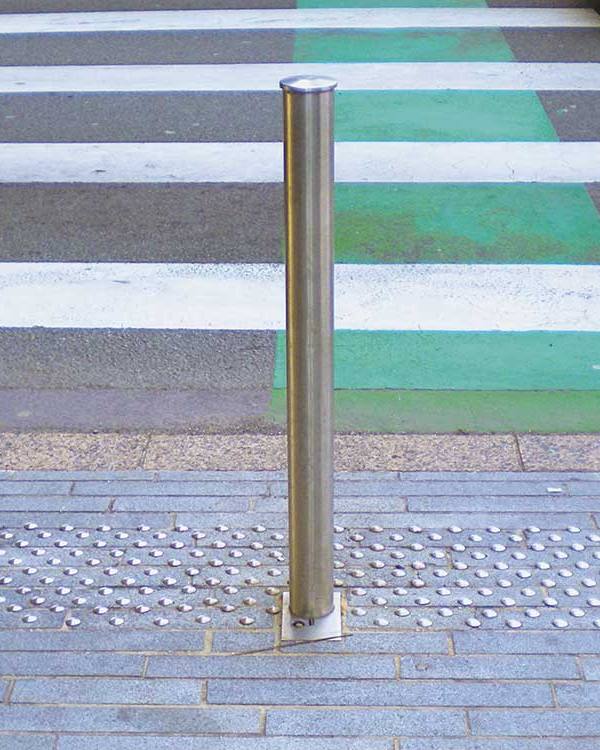
Stainless steel diamond stud for tactile paving
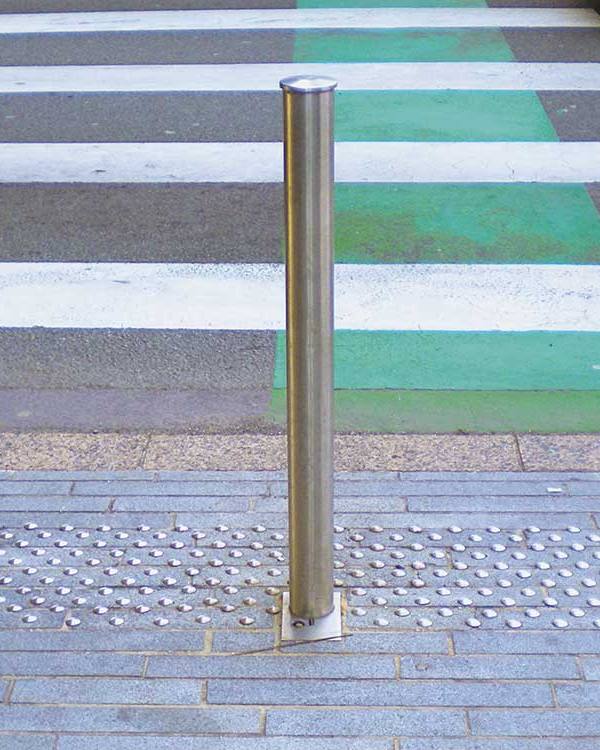
Chiselled stainless steel stud for tactile paving
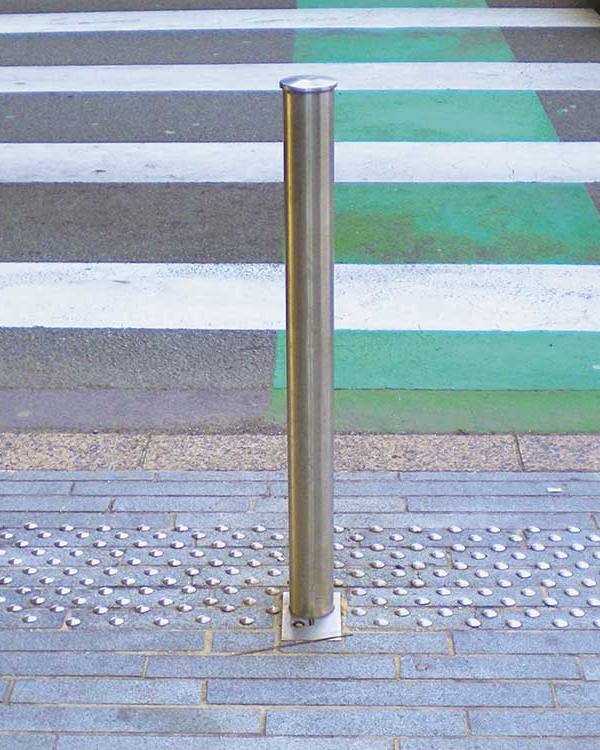
Chiselled gold stainless steel stud for tactile paving
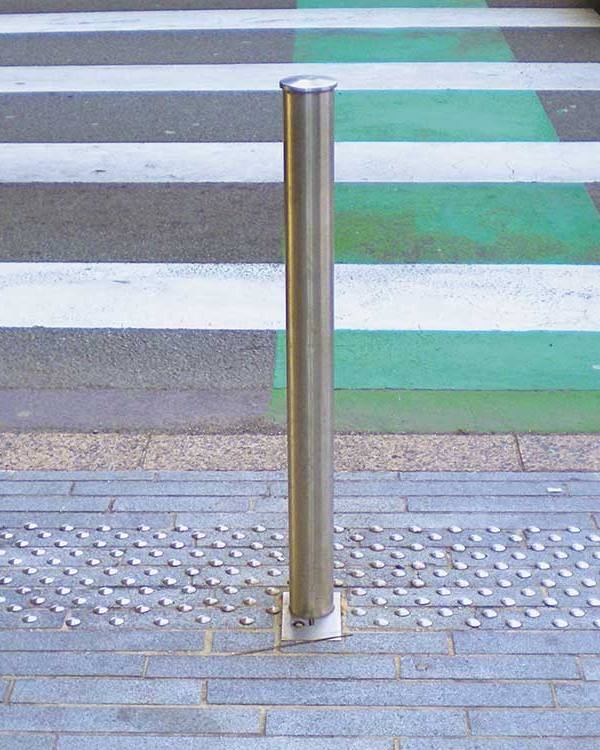
Stainless steel tactile paving stud
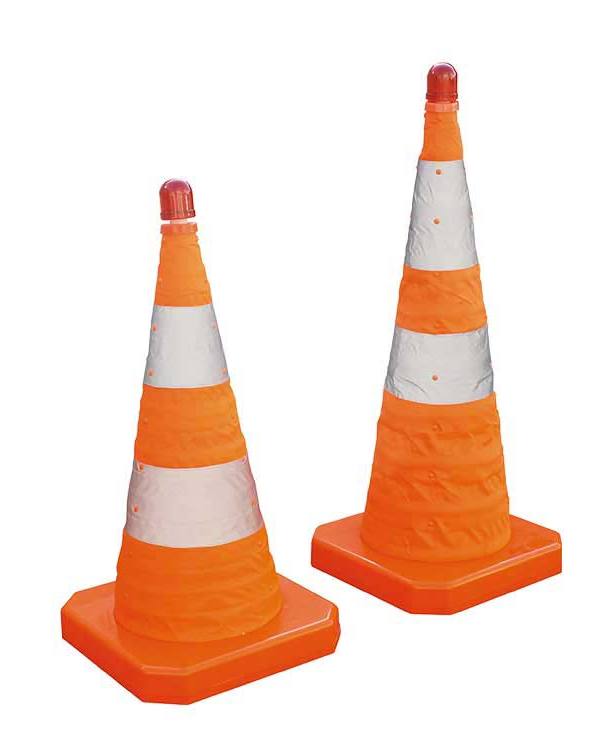
Retractable traffic cone with illuminated top
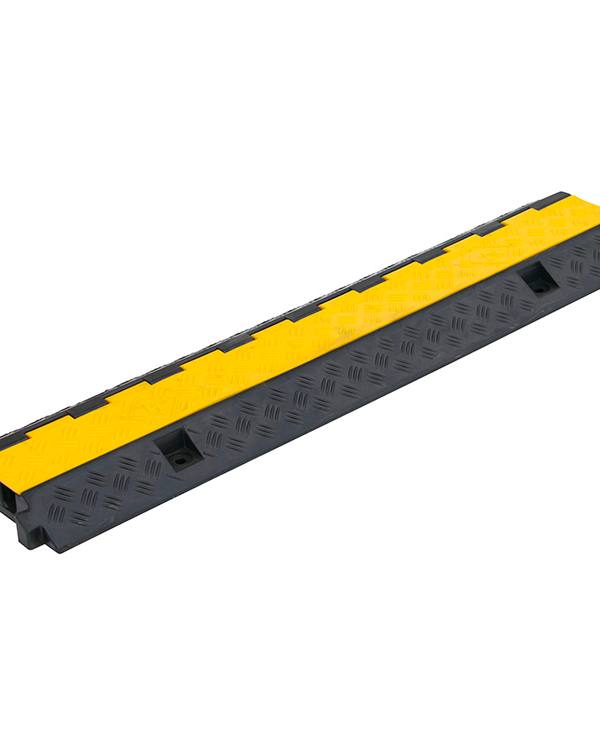
Cable ramp (2 and 5 channels)
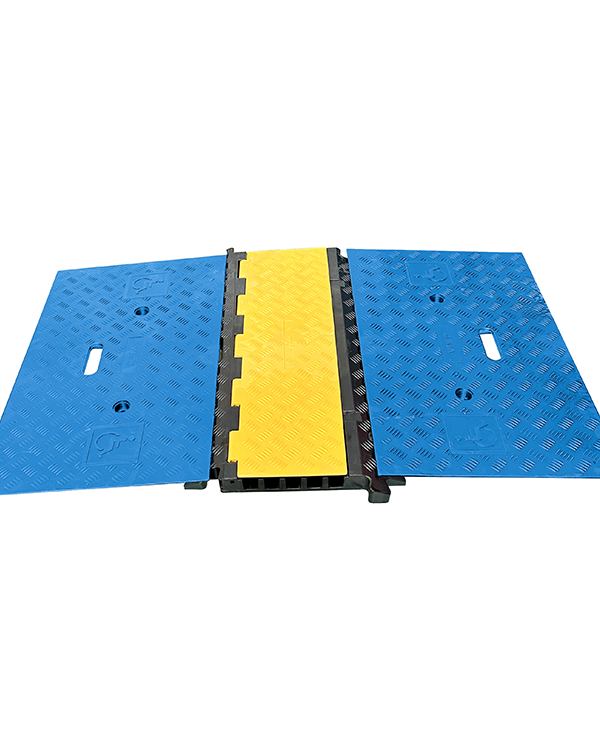
Cable ramp (accessible crossing)
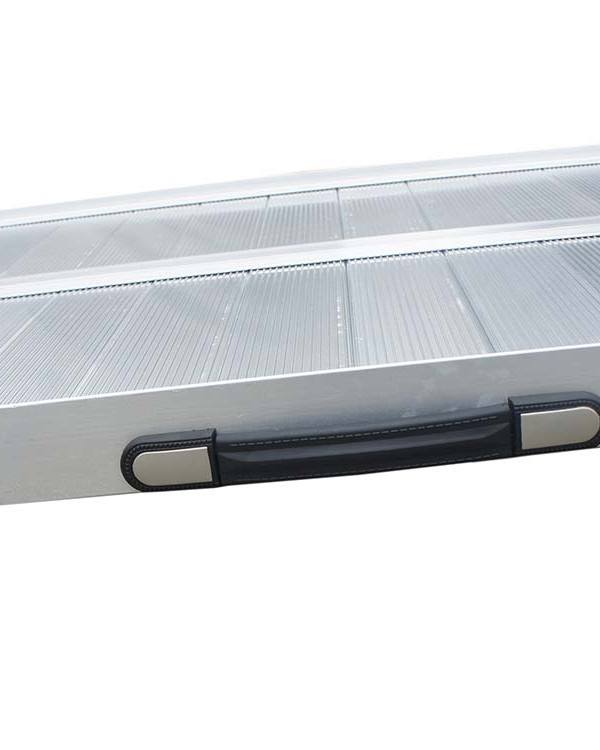
Suitcase access ramp
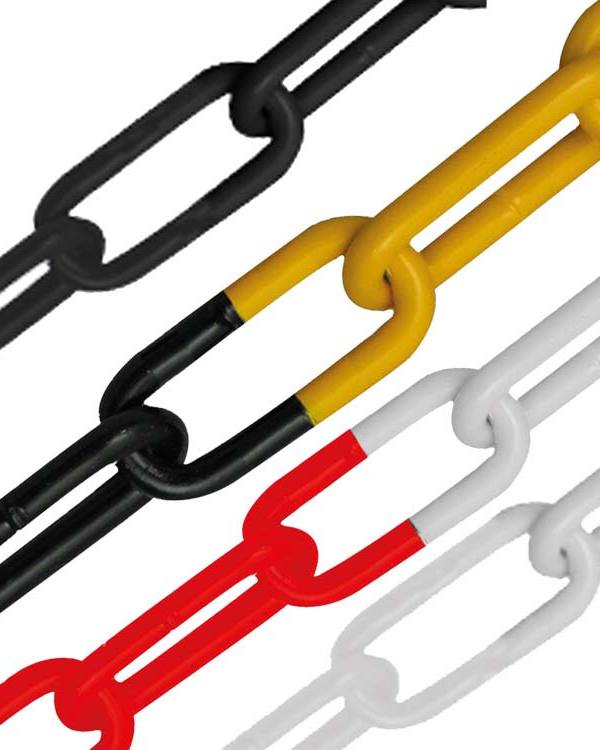
Metal chain (15 m)
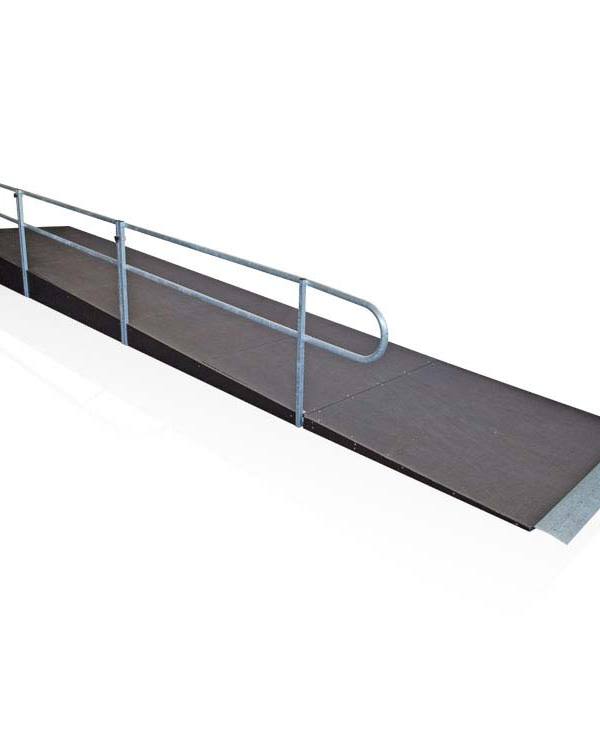
Custom access ramp
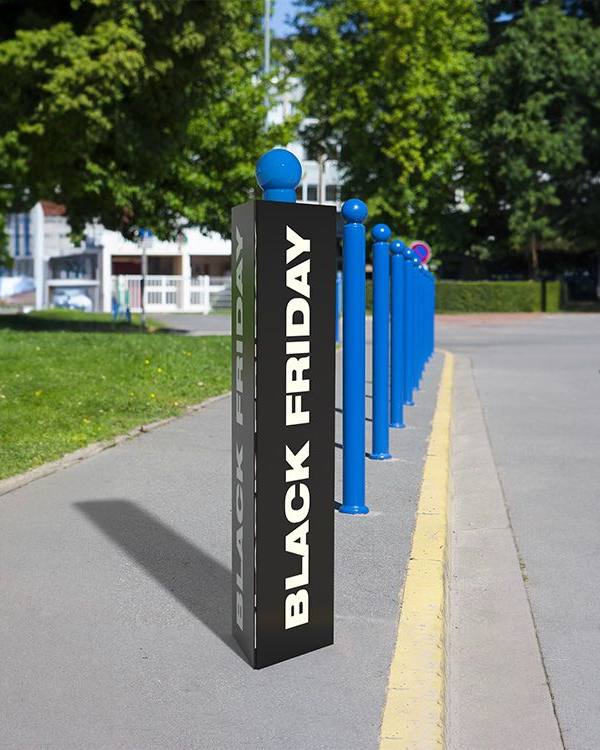
Post-cover totem (3 sides)
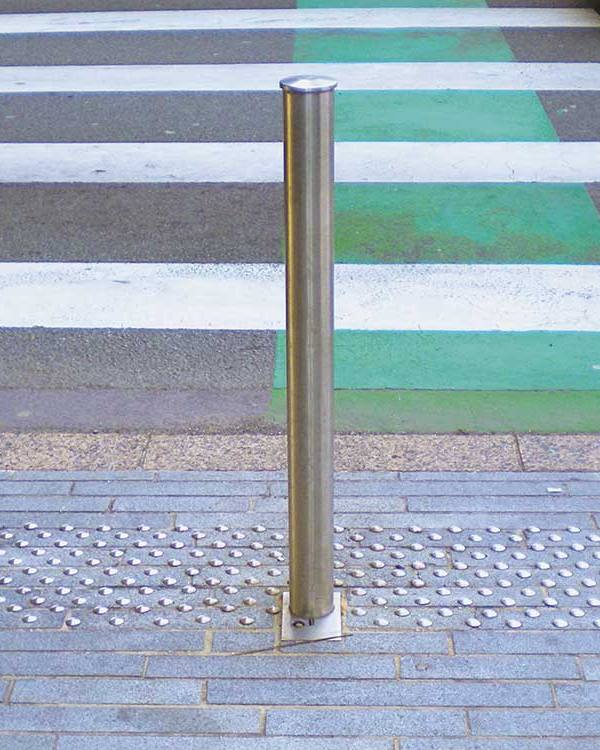
Fitting template for stainless steel studs
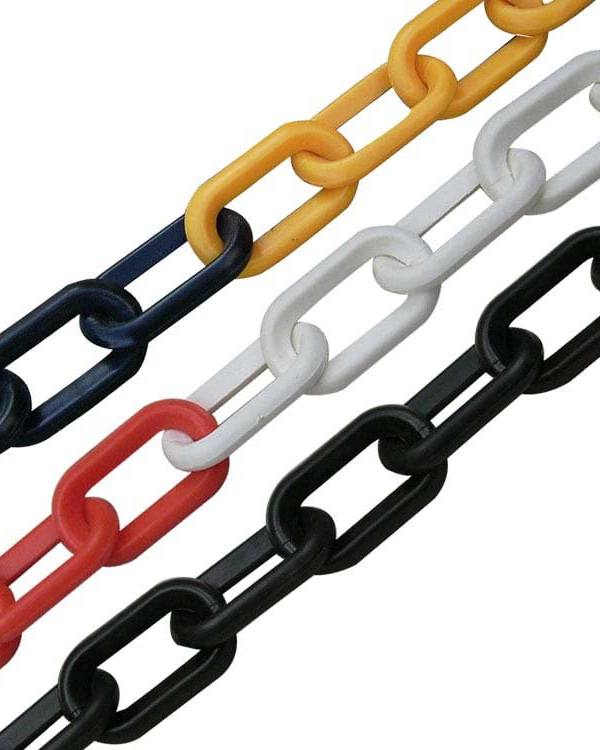
PVC chain (25 m)
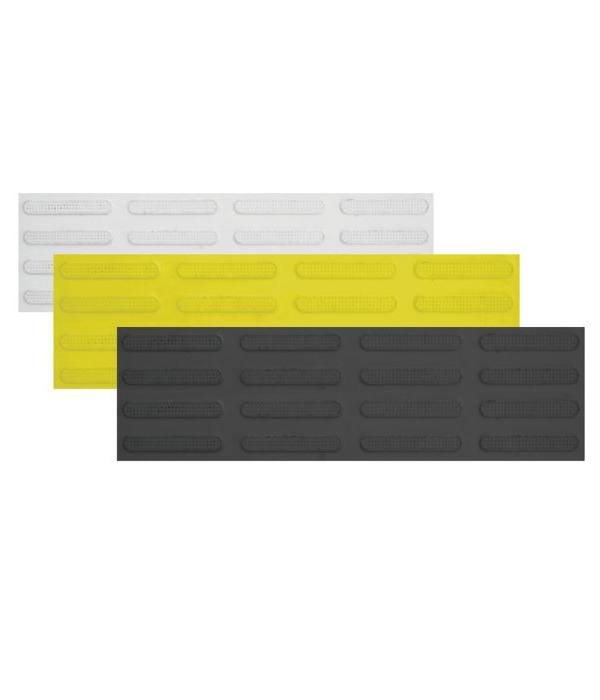
Rubber orientation guidance strip
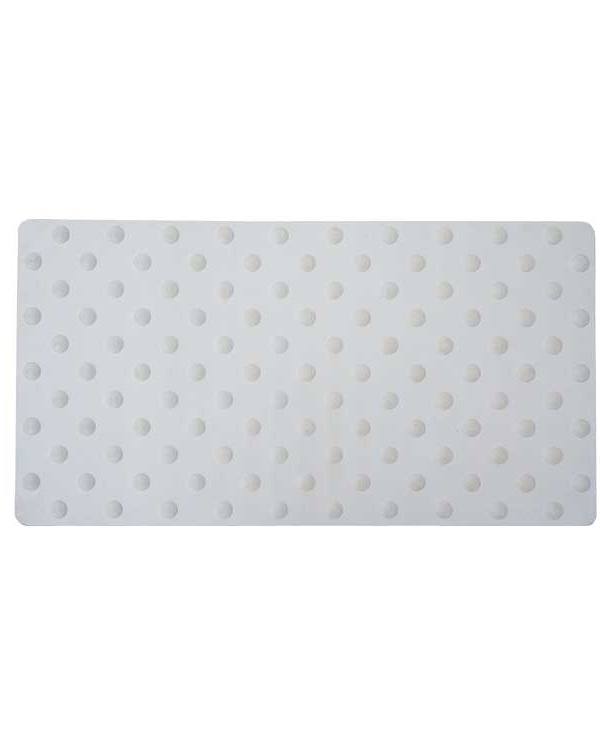
Rubber tactile warning strip
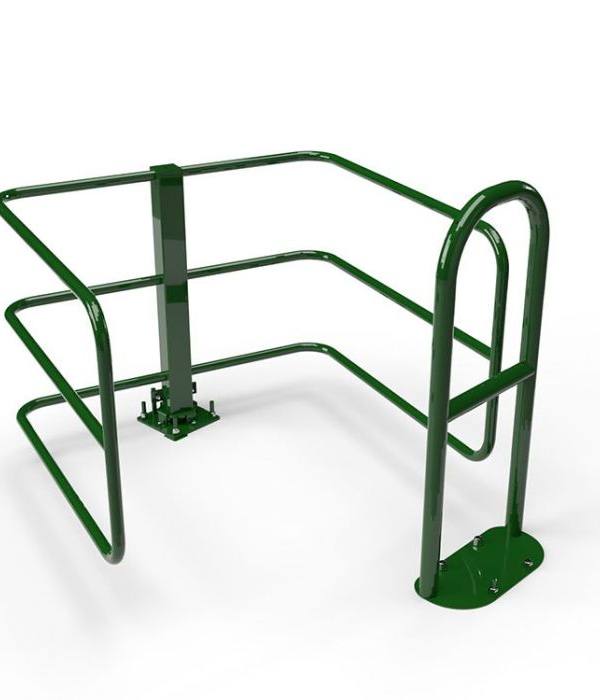
Selective access barrier (accessible)
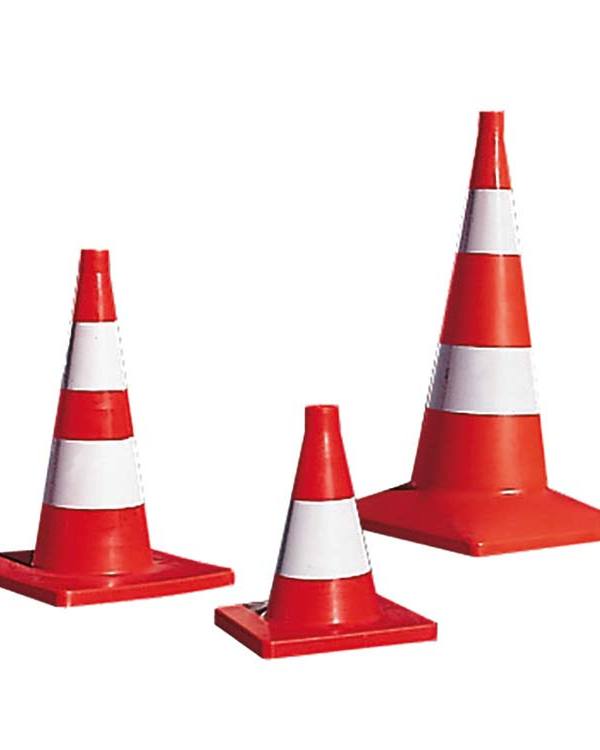
Set of 10 traffic cones
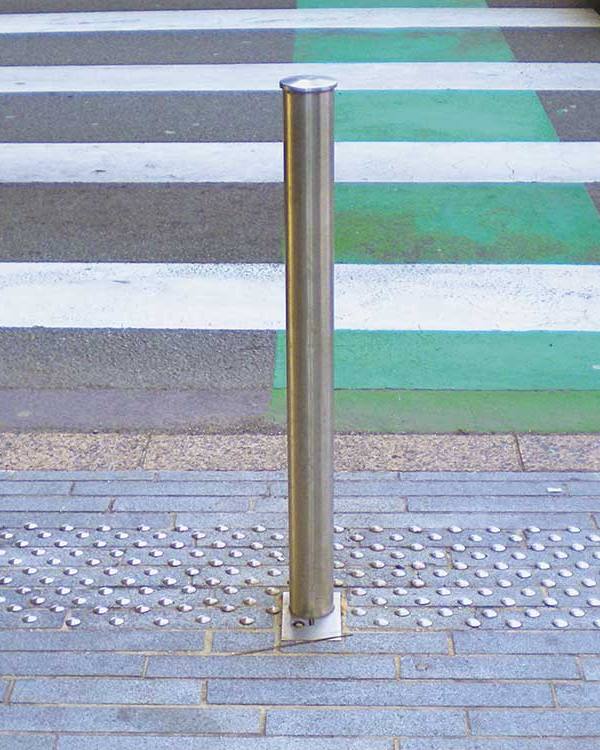
Set of 162 stainless steel diamond studs with fitting template
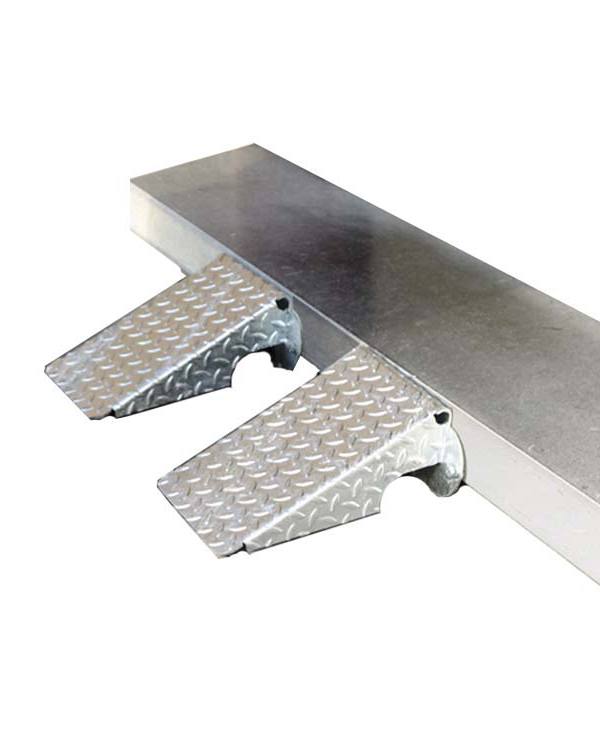
Set of 2 mini access ramps
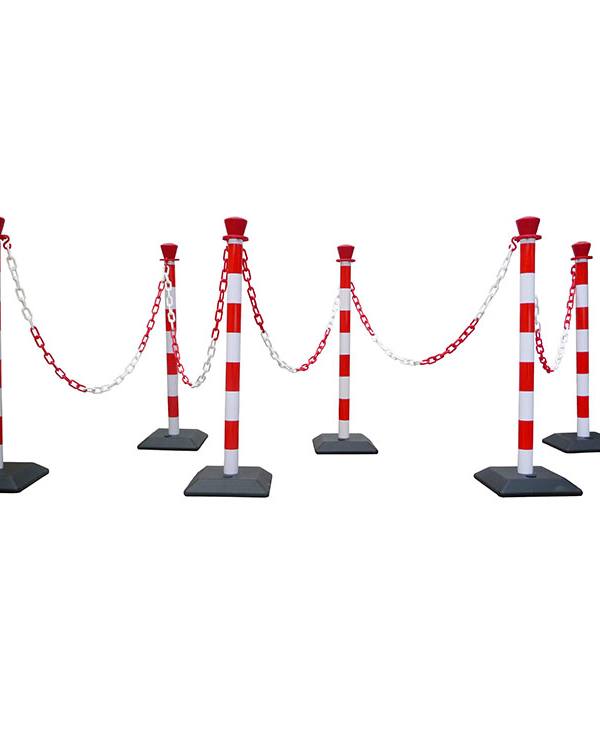
Set of 6 barrier posts with chain
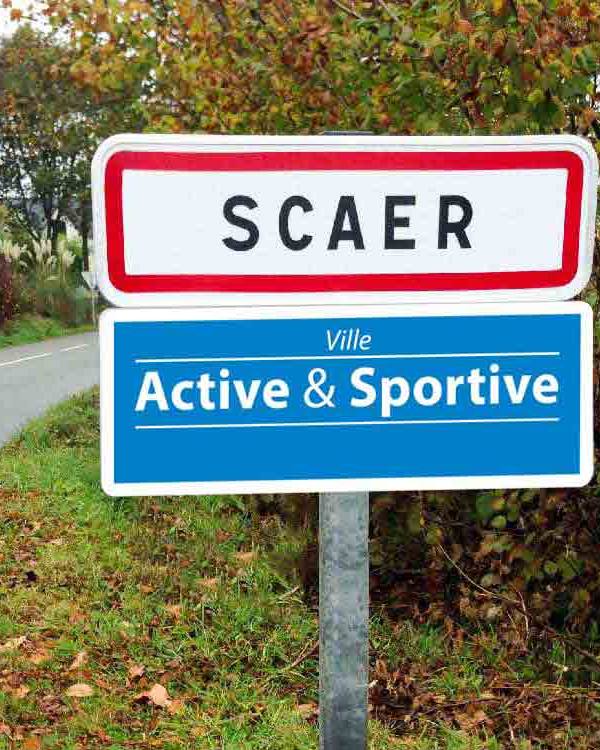
'Active & Sporty Town' signage panel
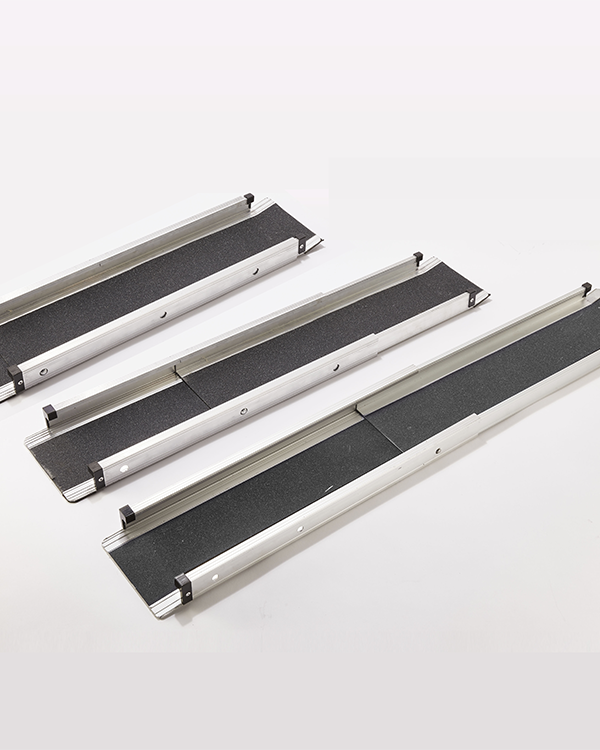
Telescopic access ramps (pair)
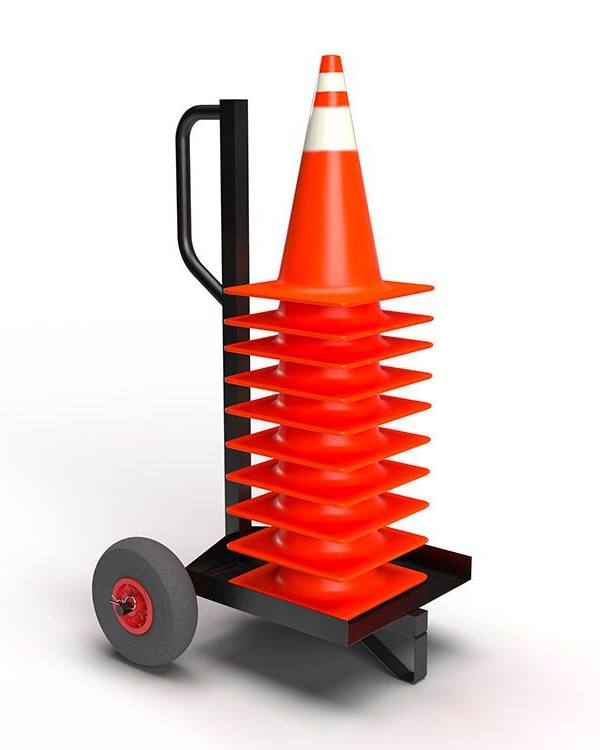
Trolley for traffic cones
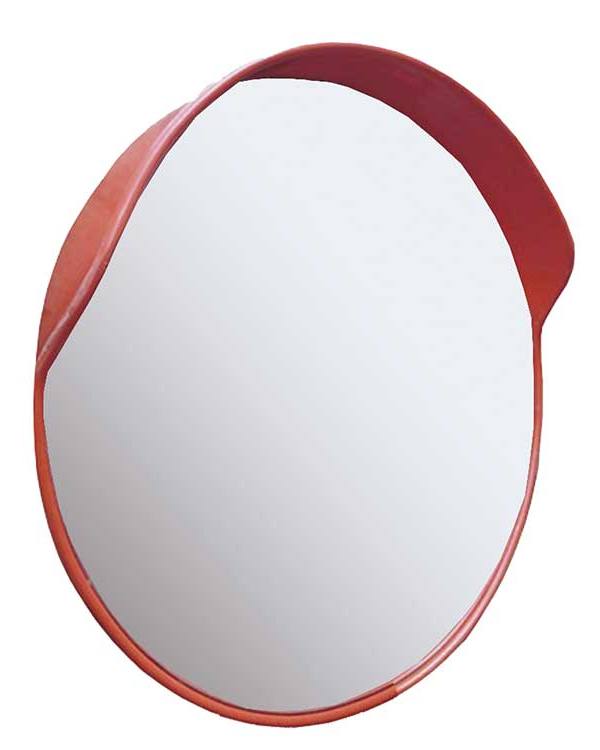
Safety mirror with visor
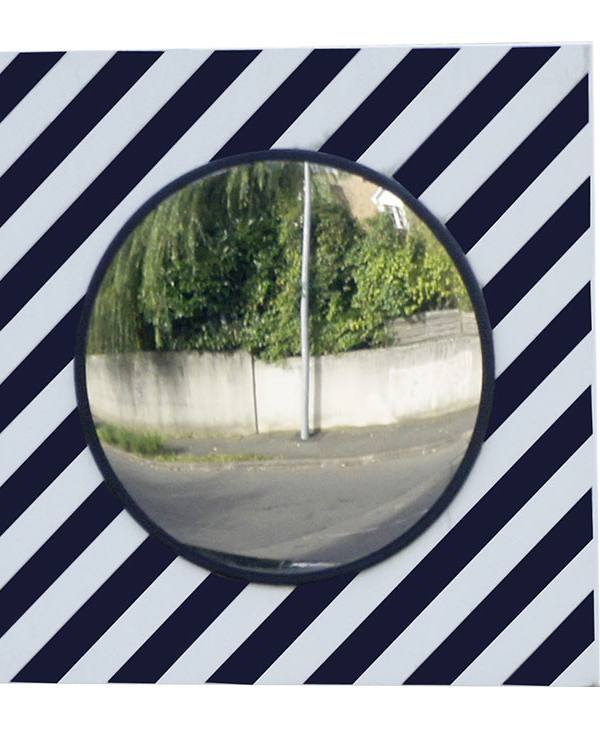
Safety mirror for public roads
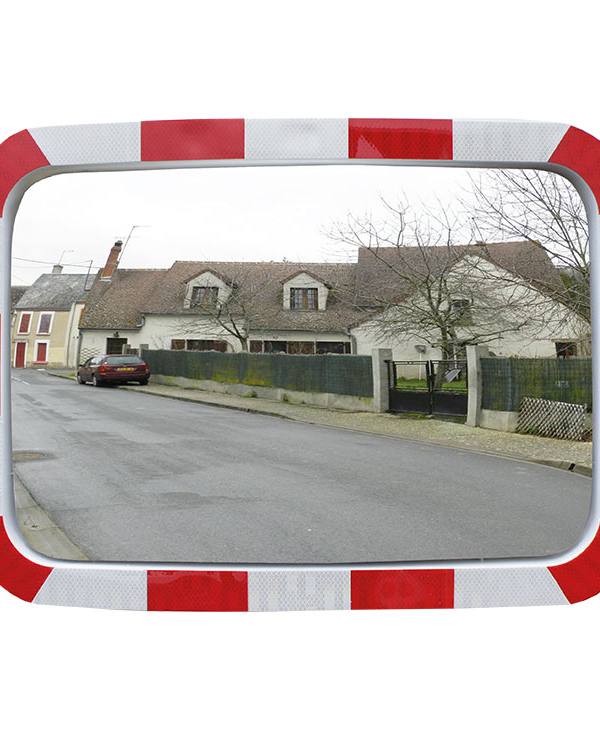
Safety mirror for private roads

Verkeersdrempel (Berlijns kussen) & rijstrookscheider
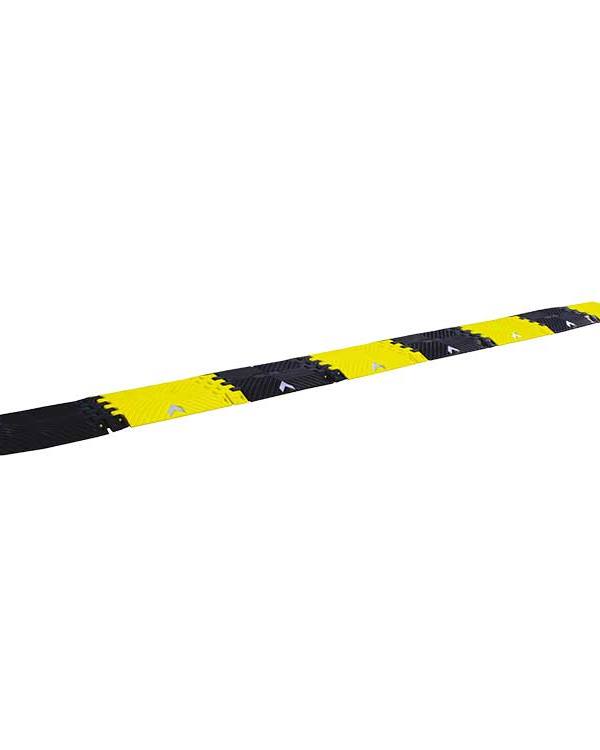
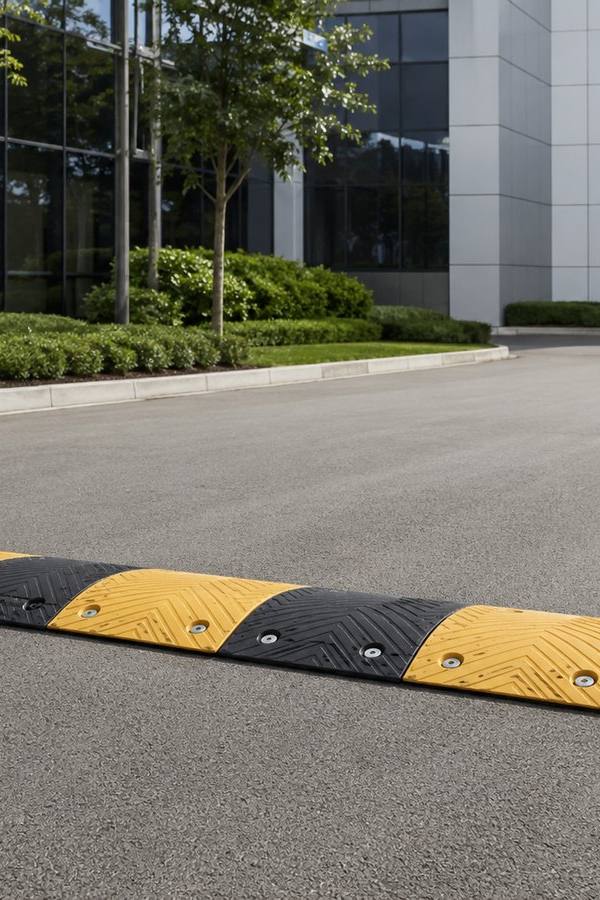
Portable speed bump
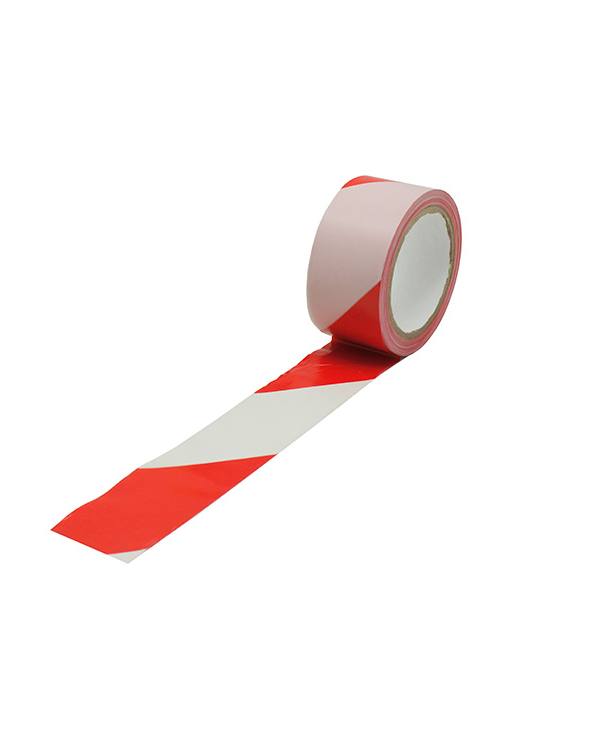
Red and white floor marking tape
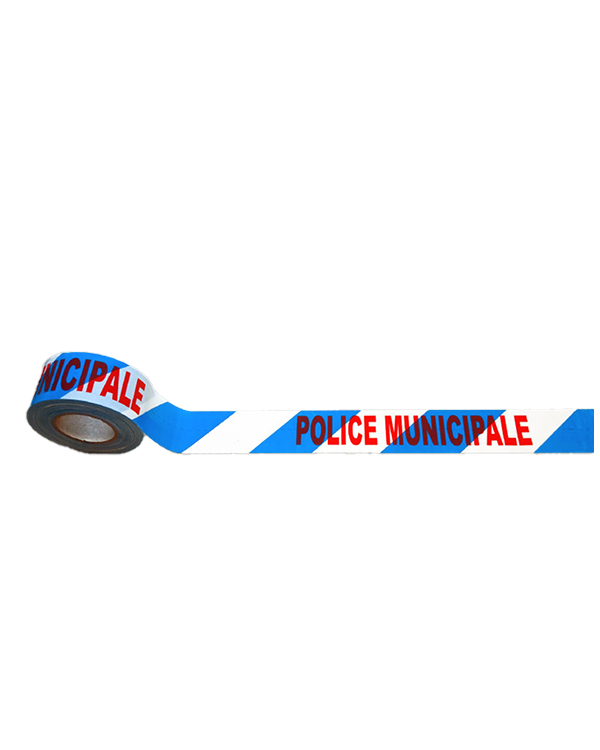
Pre-printed barrier tape
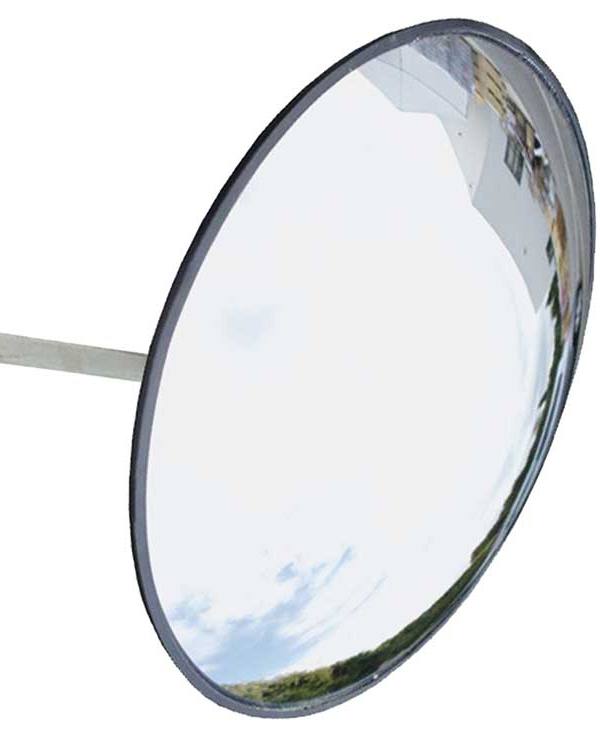
Budget safety mirror for garage exit
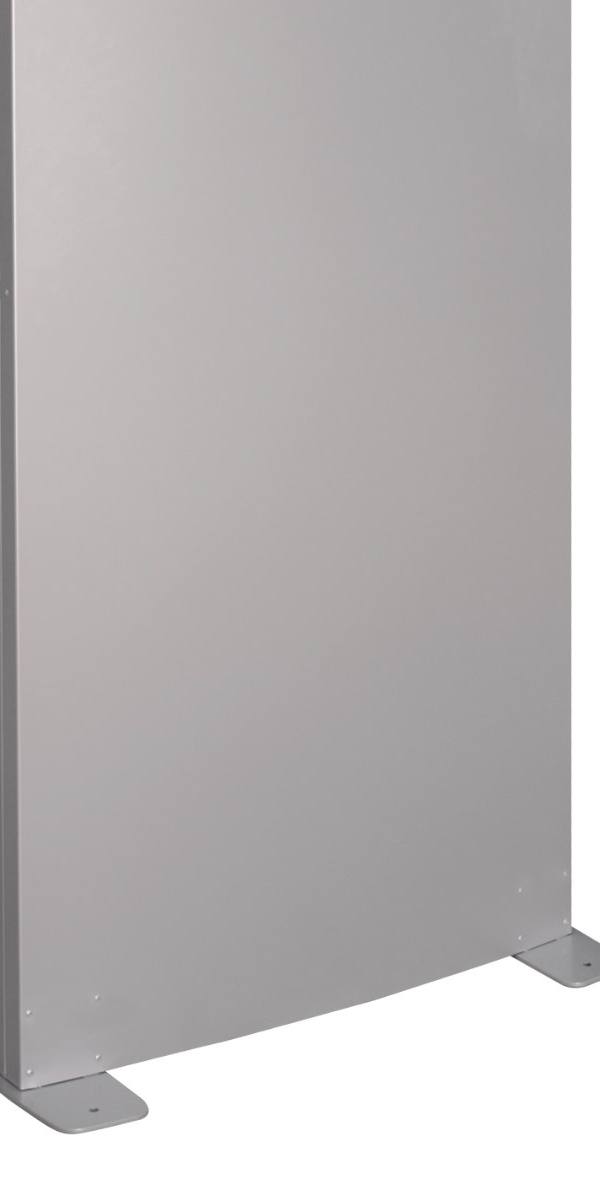
Wayfinding totem
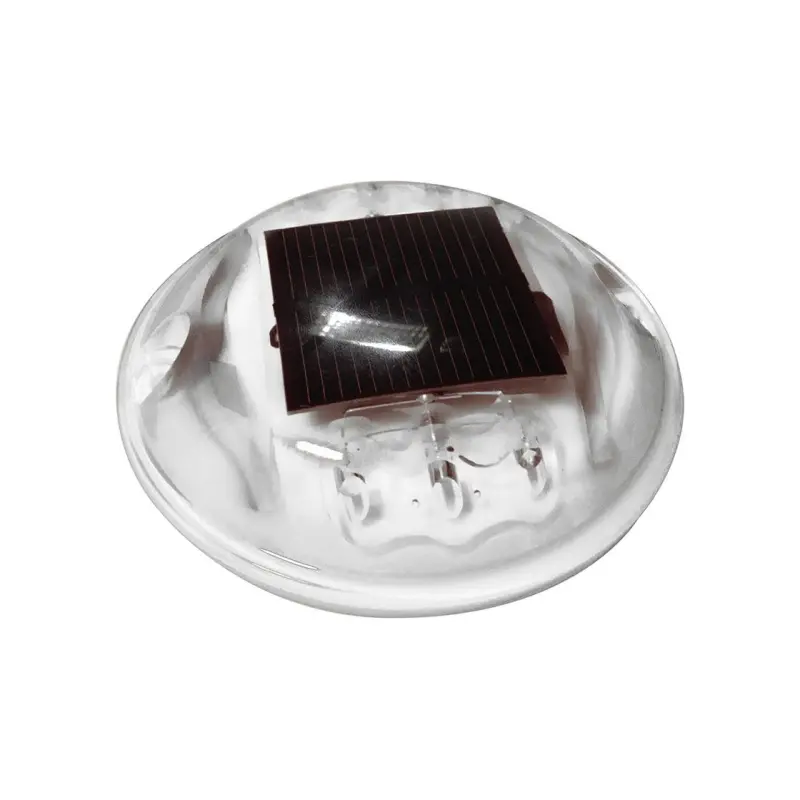
Wegdekplots (per lot van 6)
- Our approach
- 1Advice
- 23D design
- 3Production
- 4Installation
- 5Maintenance
What this gives you
From first sketch to maintenance — one partner who handles everything in-house.
One partner, from A to Z
You call one number. We measure, design, produce, install and maintain. No fragmented responsibility, no waiting on subcontractors pointing at each other.
You see it before it exists
A 3D visualisation of your own façade or space, by day and by night. We only start producing once that image is right. No surprises afterwards.
In-house production in Olen
Custom work from our own workshops, without intermediaries. That means a shorter lead time, a sharper price, and changes that are genuinely still possible.
Built to last
ISO 9001 and ISO 14001. Colourfast, weather-resistant materials and energy-efficient LED lighting. With long-term service and maintenance.
Wayfinding: letting people arrive without having to ask
Wayfinding is the whole set of means by which someone finds their way through a building or across a site: signs, pictograms, colours, numbering, floor plans and the logic behind them. It works well when nobody notices it. It is only noticed when it fails, and then it costs time, patience and sometimes safety.
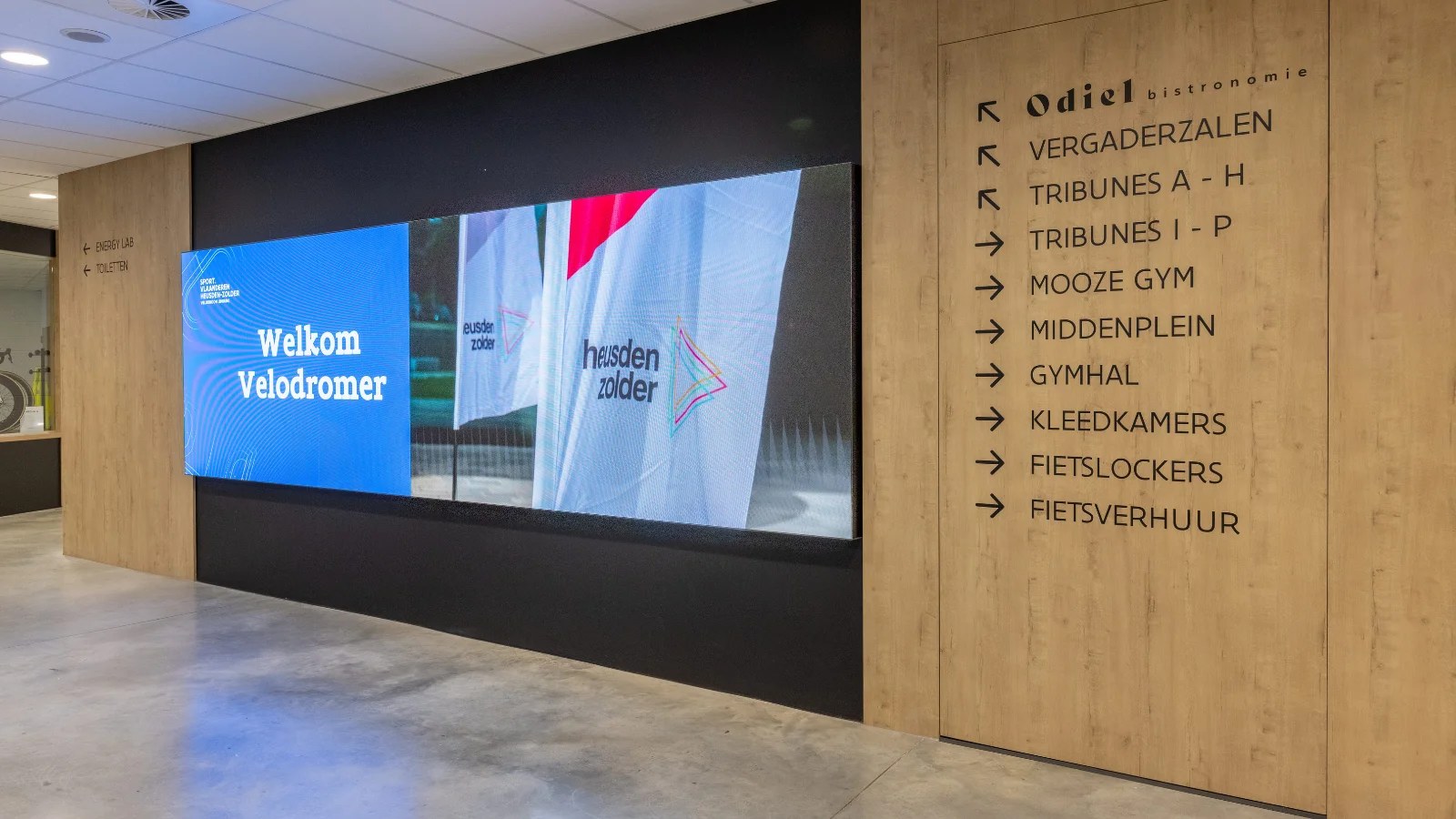
We design and deliver wayfinding and signage for hospitals, schools, business parks, office buildings, sports complexes, municipalities and industrial sites. That goes further than producing signs: we first look at routes and decision points, and only then at which sign goes where.
The plan comes before the sign
Most signage problems do not arise because the signs are badly made, but because they have been added one by one over the years without a coherent plan. The result is a corridor with eight signs where two would do, in four typefaces, and still nobody finds the right door.
Our approach starts with a route analysis. Where do people enter, what are the destinations, and at which points must they choose? At each decision point there should be exactly one clear instruction, and between two decision points a confirmation that they are still on the right track. Anything beyond that is noise. We often end up with fewer signs than were there before, and a result that works noticeably better.
The levels of a good plan
- Orientation: where am I, what is this building or site.
- Direction: which way to go, at every junction of routes.
- Identification: this is the door, the hall, the room, the department you were looking for.
- Regulation and safety: what is not allowed here, and where is the emergency exit.
Legibility: the details that count
A sign is only useful when it is read at the distance at which it needs to be read.
- Letter height follows from reading distance. A rule of thumb that works well in practice: roughly one centimetre of letter height per three metres of distance, and more when people are moving.
- Contrast between text and background matters more than the choice of colour. Dark on light generally reads more comfortably than the reverse.
- One sans-serif typeface throughout the building, in upper and lower case. A word set entirely in capitals reads noticeably more slowly.
- Limit the number of destinations per sign. Beyond five or six lines the reader gives up.
- Choose consistent wording. Someone who reads "Radiology" on the first sign should not find "Imaging" at the door.
- Avoid reflective materials where light falls strongly.
Accessible to everyone
Signage that only works for those who see well and read fluently does half its job.
- Pictograms support those who do not speak the language or read with difficulty. Use common, recognisable symbols rather than in-house creations.
- Braille and tactile characters on door signs at a consistent height help blind visitors, provided they are always in the same place.
- Sufficient contrast and a matt finish help people with low vision.
- Calm, predictable signage without an excess of stimuli helps visitors with a cognitive impairment or autism. For care and education settings this is an explicit point of attention in our design.
- Multilingual signage where the user group requires it, with a fixed order of languages.
Safety signage and legislation
Safety signage is not a design freedom but an obligation. Escape route marking, fire-fighting equipment, and prohibition, mandatory and warning signs are standardised in shape, colour and pictogram. We work with standardised pictograms and supply, where applicable, photoluminescent material so that the indication stays visible during a power failure.
In an audit or inspection, these are the points that go wrong: missing or outdated pictograms, evacuation plans that no longer match the layout, and signage obscured by furniture or storage. We are happy to walk through this with you and supply a schedule of what needs to be changed.
Materials by environment
- Indoors: dibond, acrylic, aluminium composite, anodised aluminium and system profiles with interchangeable text panels. The latter is sensible where names or functions change regularly.
- Outdoors: powder-coated or anodised aluminium, with UV-resistant film or digital print. Choose a quality that matches the intended service life, because cheap film fades visibly within a few years.
- Industry: materials resistant to cleaning, chemicals, heat or moisture, and floor marking that withstands forklift traffic.
- Care and food: smooth, cleanable surfaces without seams where dirt can lodge.
Growing with the building
Organisations change: departments move, teams are renamed, a wing is added. We therefore build with interchangeable inserts wherever possible and supply a signage plan listing the materials, colours, typefaces and supplier details used. Your facilities team can then order an additional sign that matches the rest exactly, even years later and even if you work with another partner.
What determines the price?
Signage has no fixed price per sign. Cost follows from:
- The number of signs and the number of different formats. Repeating the same format strongly reduces the unit cost.
- The choice of material and expected service life.
- Interchangeable systems versus fixed signs.
- Whether a design and route-analysis phase is needed, or the plan already exists.
- Installation: height, façade type, whether drilling is permitted, work during or outside opening hours.
- Special requirements such as braille, photoluminescent material or a vandal-resistant version.
Send us your floor plan and a list of destinations, and you will receive a proposal with a sign schedule and a quotation in which every item is shown separately.
Put your situation to us
Send us the floor plan, or take a short walk with your phone and send the photographs. We will point out where visitors get stuck and propose a plan you can carry out step by step.
Projects
All projects
Frequently asked questions
Voldoen jullie verkeersborden aan de Belgische normen?
Wanneer zijn podotactiele noppentegels verplicht?
Wat is het verschil tussen wayfinding en signalisatie?
Beschermen jullie ook muren tegen heftrucks?
Further reading
Read what is legally required in terms of safety signage in the workplace.
Ready to start your signage & wayfinding project?
We think along from the first sketch through to installation and maintenance.