
Impact protection / foam profiles
Impact protection and foam profiles that shield walls, corners, columns and equipment from damage by vehicles and forklifts. The weight of protection is matched to the use.

Alle impact protection / foam profiles
Prijzen zijn beschikbaar in het Herva-Doublet Platform.
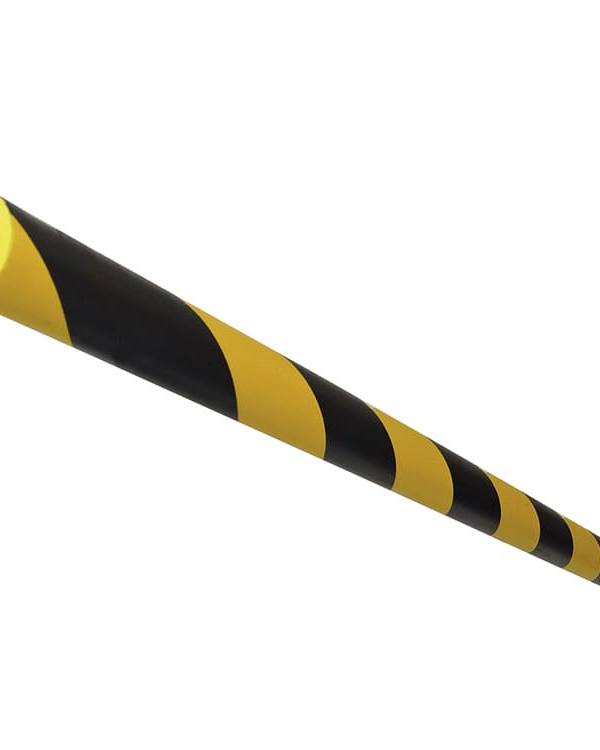
Foam protection profile (rounded corner)
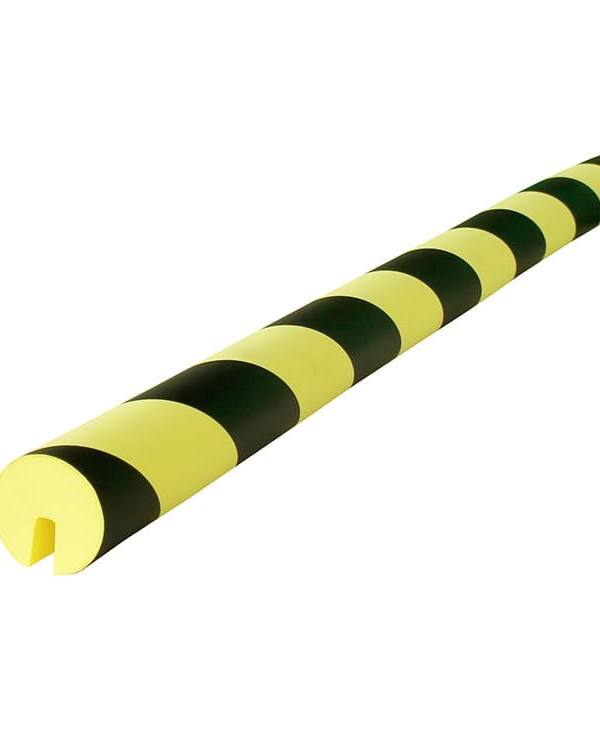
Foam edge protection profile (yellow/black)
Foam protection profile (right-angle)
Foam protection profile (flat surface)
- Our approach
- 1Advice
- 23D design
- 3Production
- 4Installation
- 5Maintenance
What this gives you
From first sketch to maintenance — one partner who handles everything in-house.
One partner, from A to Z
You call one number. We measure, design, produce, install and maintain. No fragmented responsibility, no waiting on subcontractors pointing at each other.
You see it before it exists
A 3D visualisation of your own façade or space, by day and by night. We only start producing once that image is right. No surprises afterwards.
In-house production in Olen
Custom work from our own workshops, without intermediaries. That means a shorter lead time, a sharper price, and changes that are genuinely still possible.
Built to last
ISO 9001 and ISO 14001. Colourfast, weather-resistant materials and energy-efficient LED lighting. With long-term service and maintenance.
Impact protection: preventing damage costs less than repairing it
Impact protection shields walls, columns, doors, pipework, racking and machines from the damage that forklifts, pallet trucks and vans inevitably cause. In a working warehouse that is not a question of whether, but of how often.
We supply and install impact protection and foam profiles for warehouses, production halls, car parks, loading bays, hospitals and logistics sites.
What you protect, and against what
The question that determines the type is how much energy has to be absorbed. A pallet truck clipping a door frame is something other than a fully loaded forklift hitting a column.
- Columns and wall corners: the most frequently hit. A damaged load-bearing column is also a structural problem, not a cosmetic one.
- Door openings and industrial doors: the frames take the worst of it, and a deformed door blocks the route.
- Racking: a struck upright can bring down a complete run of racking. Protection here is not a luxury.
- Pipework, sprinklers and electrical cabinets: damage here brings the whole site to a standstill.
- Pedestrian zones: here it is not about materials but about people. A heavy barrier between the walkway and the forklift route is the single most effective measure there is.
The versions
Steel barriers and guardrails
Heavy, anchored into the floor, designed to stop a vehicle. Usually powder-coated yellow for visibility. This is what you choose where the energy genuinely has to be absorbed.
Plastic and polymer protection
Flexible elements that absorb the impact by deforming and then springing back. They do not pass the energy on to the floor fixings, which means the floor stays intact; with steel protection it is often the floor that cracks rather than the barrier. They do not rust and never need repainting.
Foam profiles and bump strips
Self-adhesive foam or rubber profiles on corners, frames and edges. They will not stop a vehicle, but they do prevent scratches, dents and injuries in light impacts. Inexpensive and quick to fit, and the logical first layer.
Column protectors
Sleeves that close around a column, in plastic or steel.
Impact posts
Individual anchored posts to screen off a single point, such as an electrical cabinet or a corner.
Visibility counts as much as strength
Protection that does not stand out gets hit. Yellow and black is the convention for a reason: it is read immediately as a hazard or an obstacle. In dark areas and in car parks, a version with reflective banding pays off.
Think about floor lining as well. A barrier works better alongside clear marking that shows where forklifts drive and where pedestrians walk. We supply that floor marking within the same order.
Installation and anchoring
The anchoring is decisive. A heavy steel barrier in a thin or poor floor will pull the floor up with it at the first real impact, and then you have two problems. That is why we look at the floor build-up before we settle on a type, and in case of doubt we advise a flexible version that passes less energy into the floor.
Leave room between the protection and what it protects. A barrier hard up against a column simply passes the impact straight on; a few tens of centimetres of clearance make the difference.
What determines the price?
Impact protection has no fixed price per metre. The cost follows from the type, whether foam profile, plastic or steel, the weight and the energy to be absorbed, the length and the number of elements, the anchoring and the condition of the floor, the finish and any reflective banding, the accompanying floor marking, and whether the work is carried out in a running site or outside working hours.
Send us a plan of the hall with the traffic routes, and you will get a proposal per zone with a quotation in which those items are set out separately.
Putting your site to us
Send us a plan or a few photos and tell us where things go wrong today. We will walk the traffic routes and propose protection that matches the traffic that actually runs there.
Projects
All projects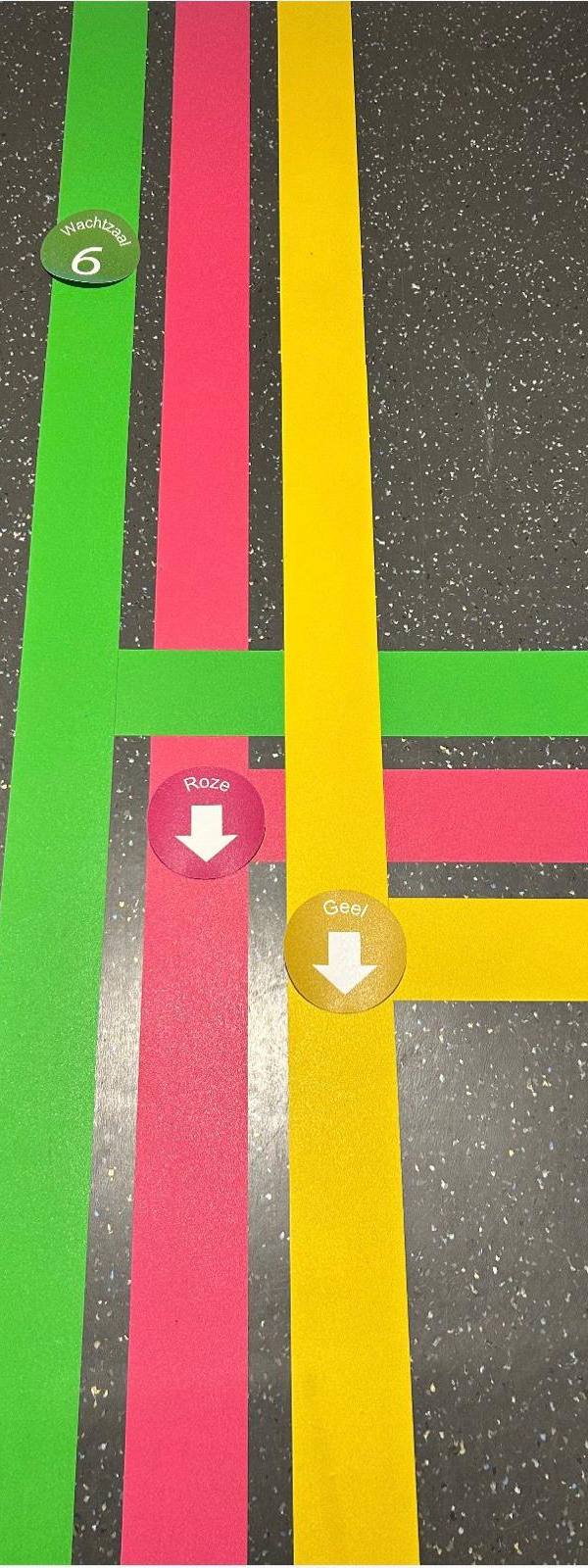
Frequently asked questions
Voldoen jullie verkeersborden aan de Belgische normen?
Wanneer zijn podotactiele noppentegels verplicht?
Wat is het verschil tussen wayfinding en signalisatie?
Beschermen jullie ook muren tegen heftrucks?
Didn't find what you were looking for?
What you see here is a selection. Our range is considerably wider — in sizes, materials and finishes that we cannot all show online. Tell us what you need it for and where it has to go, and we will work out what fits.
Ask your questionAccess to prices and ordering
Request access to our Herva-Doublet Platform. We review your request personally.