
Tactile paving
Tactile paving that warns visually impaired people of a crossing, staircase or platform edge. Often mandatory in public buildings; also available in stainless steel.
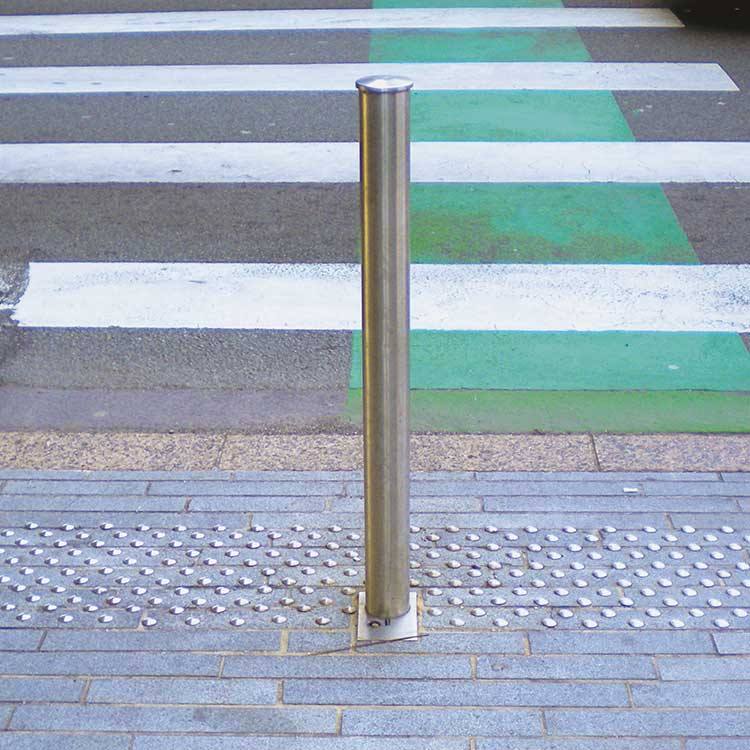
Alle tactile paving
Prijzen zijn beschikbaar in het Herva-Doublet Platform.
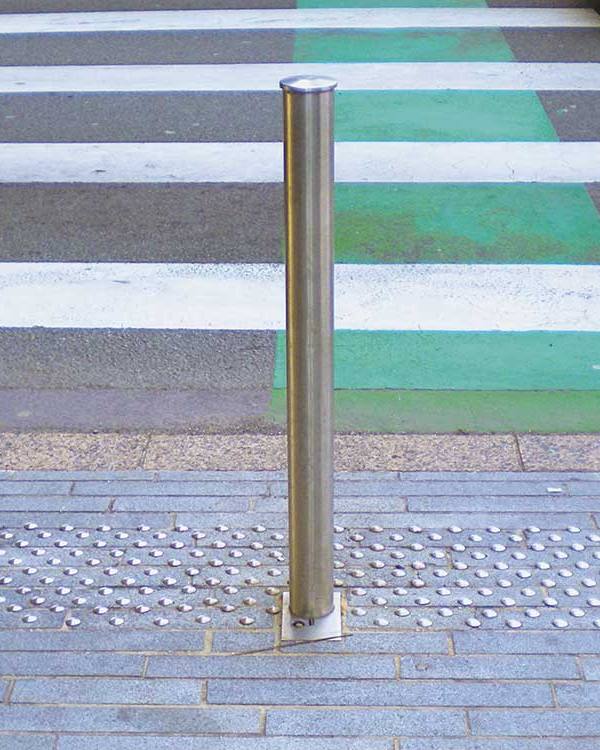
Stainless steel diamond stud for tactile paving
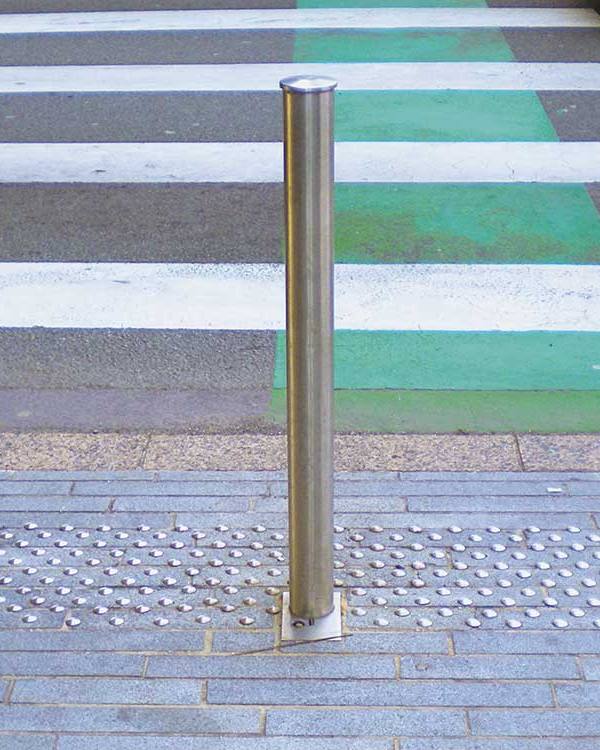
Chiselled stainless steel stud for tactile paving
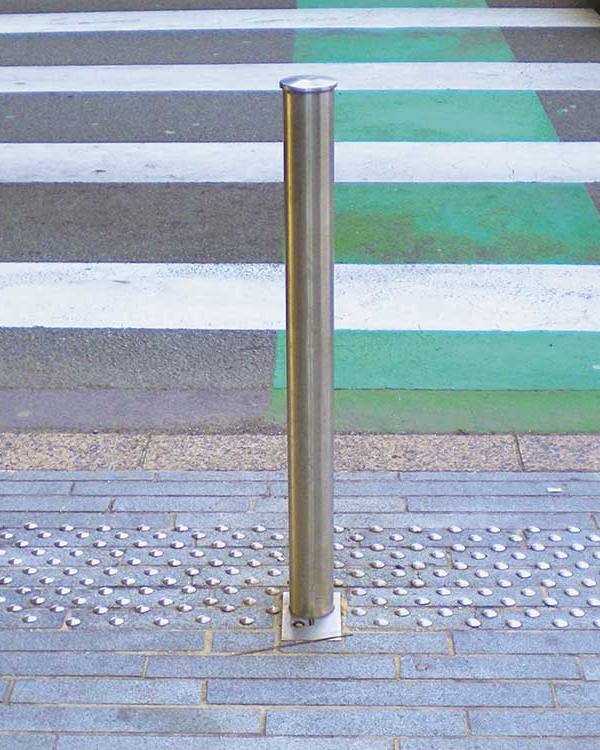
Chiselled gold stainless steel stud for tactile paving
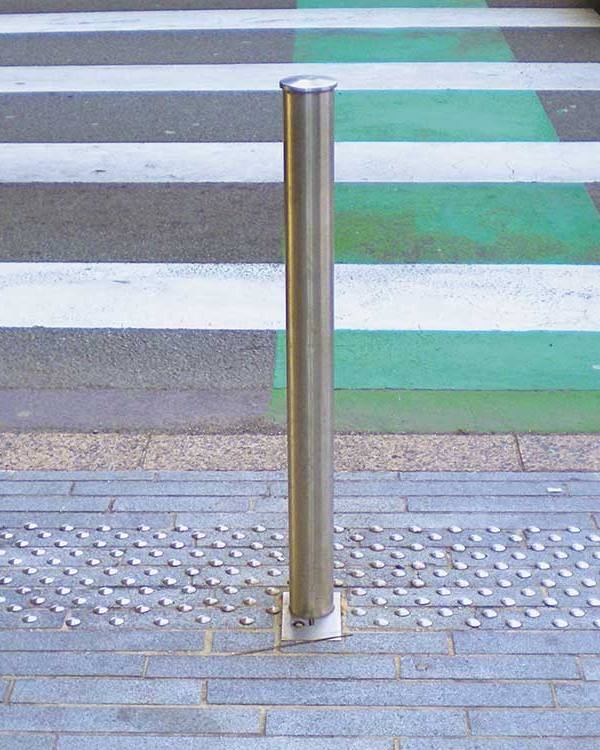
Stainless steel tactile paving stud
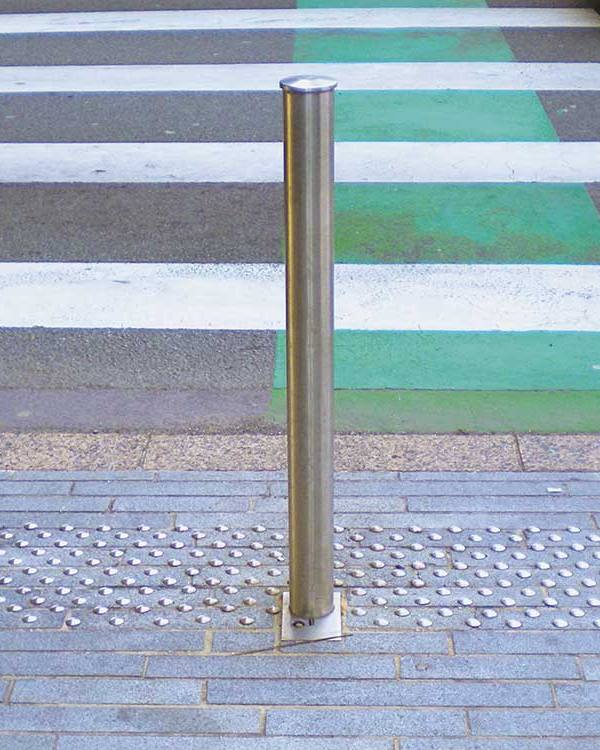
Fitting template for stainless steel studs
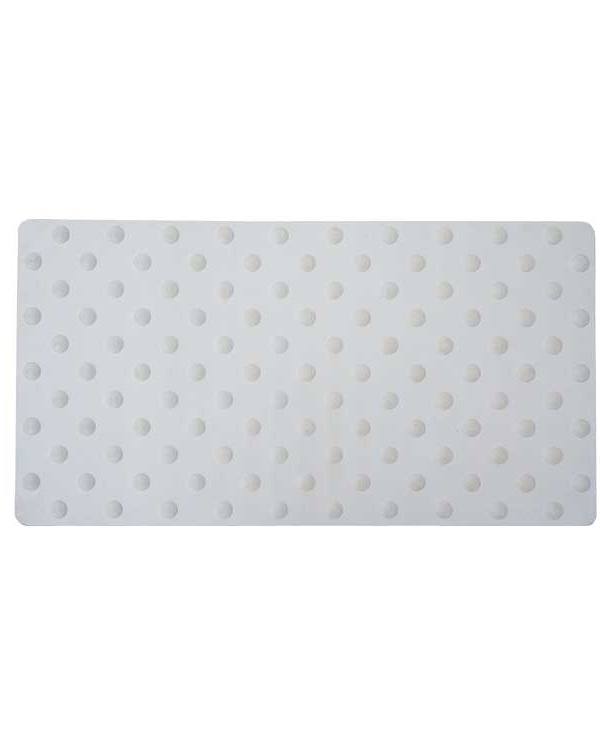
Rubber tactile warning strip
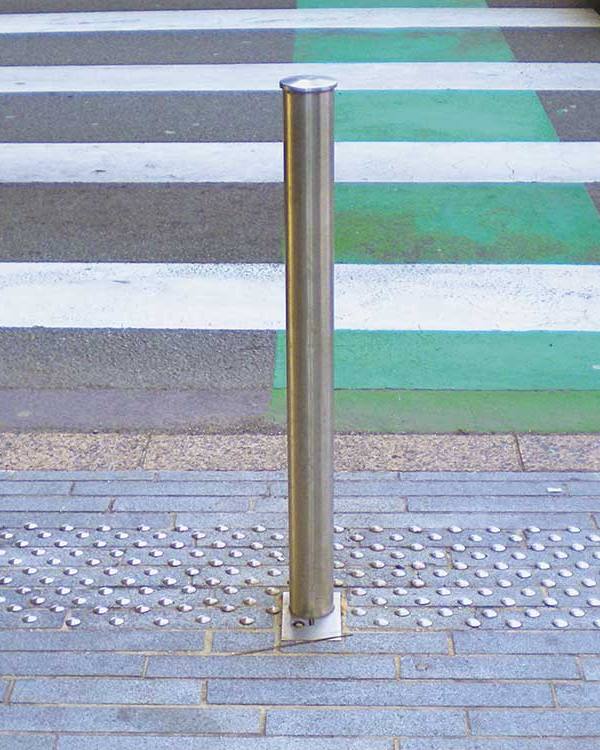
Set of 162 stainless steel diamond studs with fitting template
- Our approach
- 1Advice
- 23D design
- 3Production
- 4Installation
- 5Maintenance
What this gives you
From first sketch to maintenance — one partner who handles everything in-house.
One partner, from A to Z
You call one number. We measure, design, produce, install and maintain. No fragmented responsibility, no waiting on subcontractors pointing at each other.
You see it before it exists
A 3D visualisation of your own façade or space, by day and by night. We only start producing once that image is right. No surprises afterwards.
In-house production in Olen
Custom work from our own workshops, without intermediaries. That means a shorter lead time, a sharper price, and changes that are genuinely still possible.
Built to last
ISO 9001 and ISO 14001. Colourfast, weather-resistant materials and energy-efficient LED lighting. With long-term service and maintenance.
Tactile paving for people with impaired sight
Tactile paving warns people with impaired or no sight of a hazard directly ahead of them: a crossing, the top of a staircase, a platform edge or a sudden change in level. The raised blisters are picked up underfoot and with the white cane, so that somebody stops before reaching the edge. It is a simple measure with an immediate effect on the safety of your site.
We supply tactile paving and tactile profiles to local authorities, contractors, schools, care institutions and managers of public buildings. In public buildings and on the public domain it is often mandatory for new build and redevelopment; exactly what you have to install follows from the applicable Belgian accessibility rules and from what the tender specification or the client imposes.
Where you install it
- At the top and the foot of staircases, indoors and outdoors
- At crossings and at the transition from footpath to carriageway
- At platform edges and public transport stops
Two kinds of tactile marking
Blister paving as a warning
Round blisters in a regular pattern mean: take care, something stops or changes here. This is the marking you install ahead of a staircase, a crossing or an edge.
Corduroy paving as guidance
Straight ribs running in the direction of travel indicate a route that can be followed. The two must never be used interchangeably: blisters laid as a guidance line lose their warning meaning and make the marking unreliable for the people who depend on it.
Versions and material
Concrete slabs
The classic choice for the public domain: the blisters are part of the slab itself, they wear slowly and they sit in line with the rest of the paving.
Individual studs and profiles in stainless steel or brass
Separate studs or strips that are drilled or bonded into an existing floor. Ideal for refurbishment and for interior applications in natural stone or concrete, where you do not want to break the floor open. Stainless steel is also discreet, which is often decisive in a prestige building.
Contrast and visibility
Detectability underfoot is only half the story. Many people with a visual impairment still have some sight, and they need visual contrast between the marking and the surrounding floor. A light marking in a dark floor, or the other way round, works; a grey slab in grey paving helps nobody. So choose the colour on the basis of contrast with the existing surface, not on the basis of what looks most restful.
In practice
- Install the marking across the full width of the hazard, not only in the line of travel
- Keep the required distance from the edge, so that somebody still has time to stop
- Make sure the marking sits flush with the surrounding floor; a protruding edge is a trip hazard in its own right
- Consider the slip resistance of the material, certainly in the rain and at the entrance to a hall
Common mistakes
The most common mistake is installing a marking without thinking about what comes next: blisters ahead of a staircase that then lead nowhere, or a guidance line that ends against an obstacle. A second mistake is installing it without contrast, so that the work is formally in order but in practice reaches only half the people it is meant for.
What determines the price?
The price depends on the type of marking, whether concrete slab, individual stainless steel studs, profile or self-adhesive mat, the material and the colour, the area or length to be marked, and the number of locations. The installation method weighs heavily: laying it in as part of a redevelopment is something other than drilling or bonding into an existing floor, and the nature of the surface determines the work involved. Surveying and making good the surrounding paving also play a part.
Have your situation assessed
Send us photos of the area, the existing surface and the places you want to mark. We will propose a solution that works both underfoot and visually, and provide a quotation to suit.
Projects
All projects
Frequently asked questions
Voldoen jullie verkeersborden aan de Belgische normen?
Wanneer zijn podotactiele noppentegels verplicht?
Wat is het verschil tussen wayfinding en signalisatie?
Beschermen jullie ook muren tegen heftrucks?
Didn't find what you were looking for?
What you see here is a selection. Our range is considerably wider — in sizes, materials and finishes that we cannot all show online. Tell us what you need it for and where it has to go, and we will work out what fits.
Ask your questionAccess to prices and ordering
Request access to our Herva-Doublet Platform. We review your request personally.