Crowd barriers
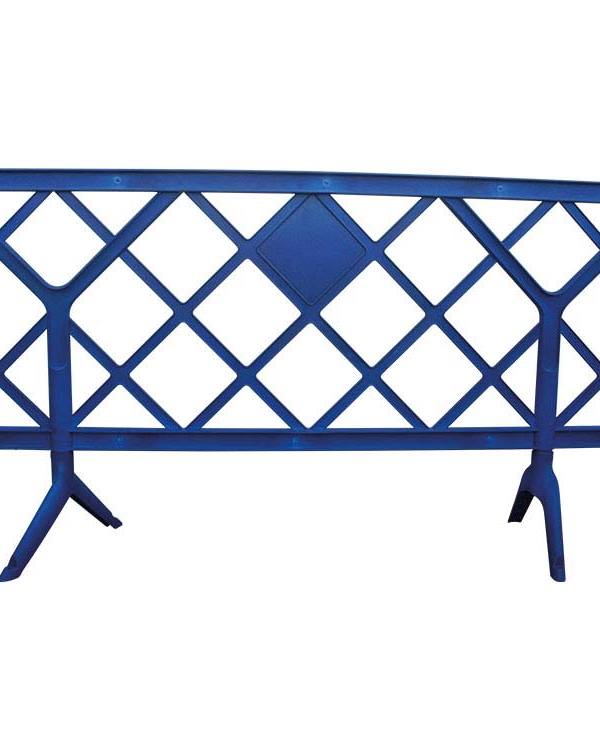
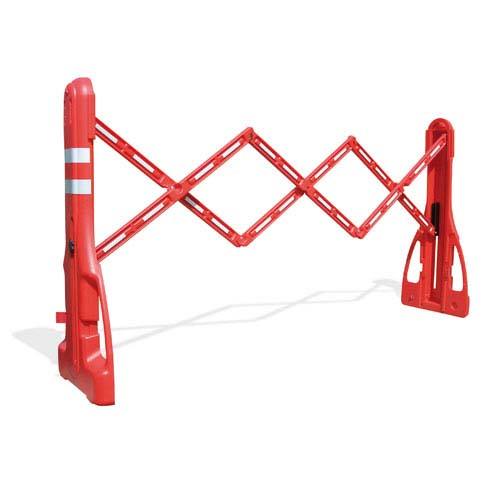
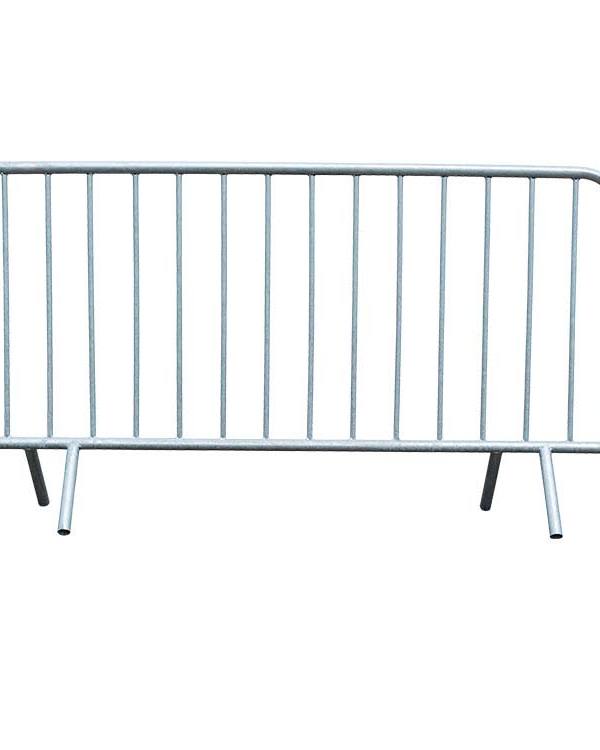
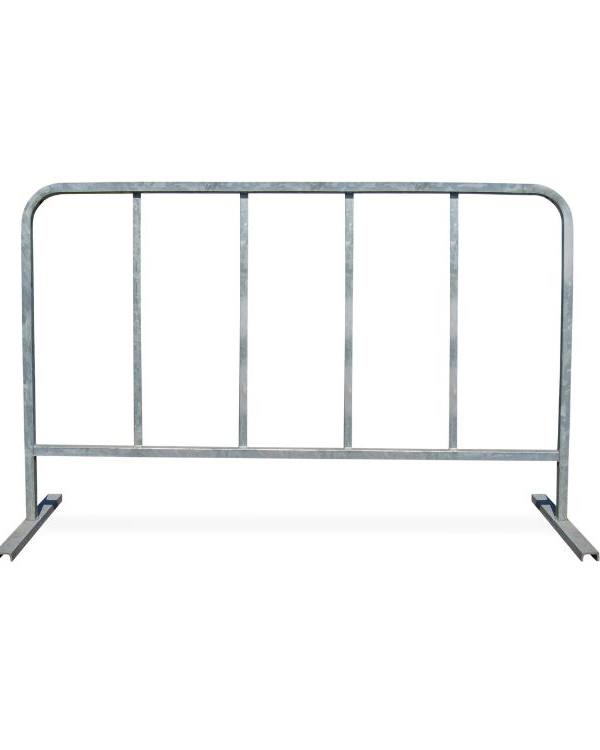
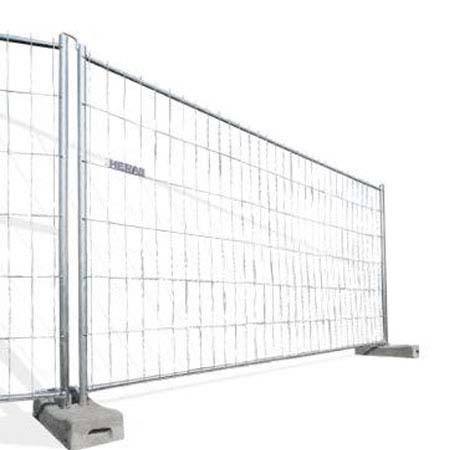
Crowd barriers for temporary boundaries at events and works. Quick to place and to dress with covers or advertising panels.
A fence holds people back, but it can carry your message at the same time. That is the point most often missed: a row of bare fencing is a wasted opportunity, the same row with printed banners is an advertising wall.
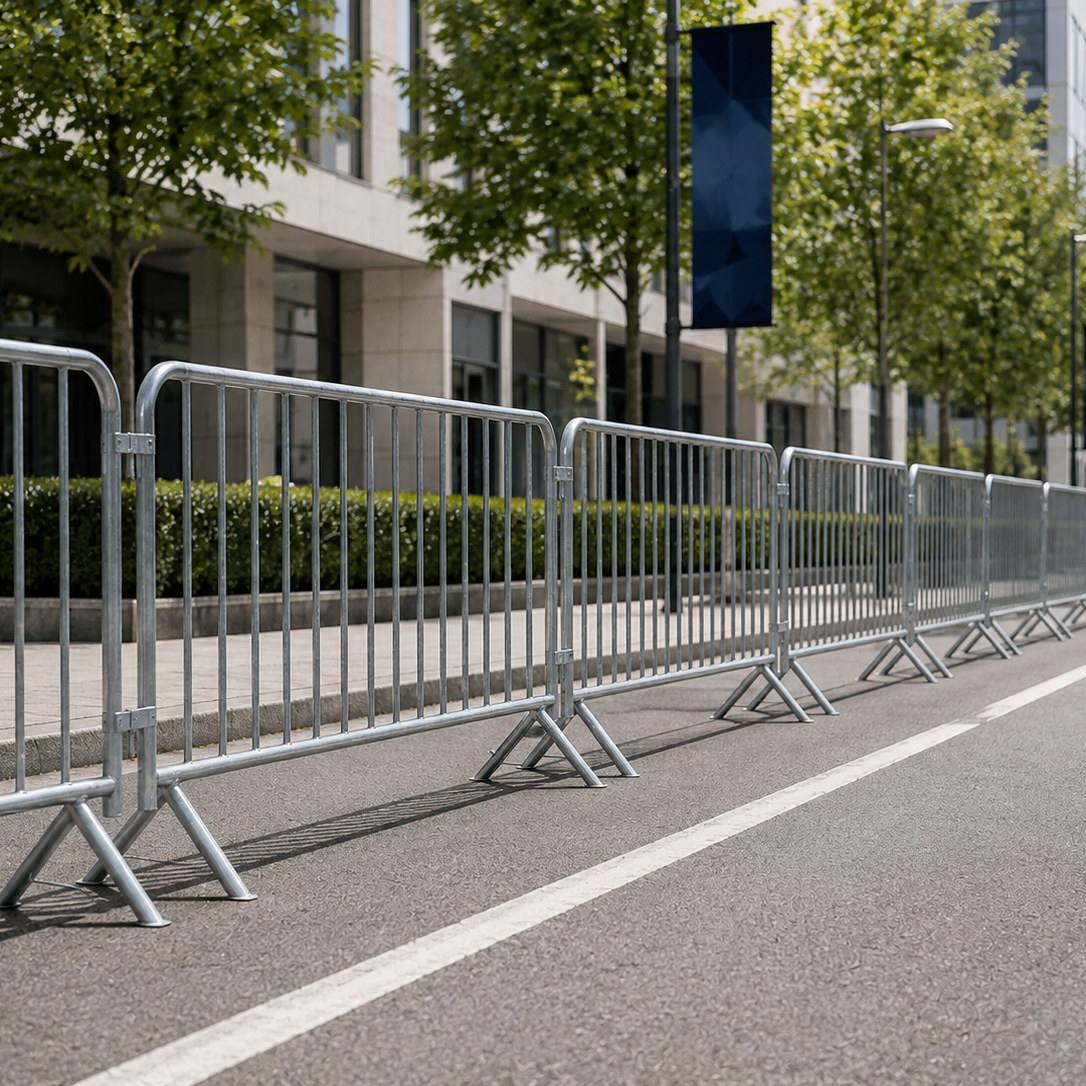
Crowd barriers for temporary boundaries at events and works. Quick to place and to dress with covers or advertising panels.
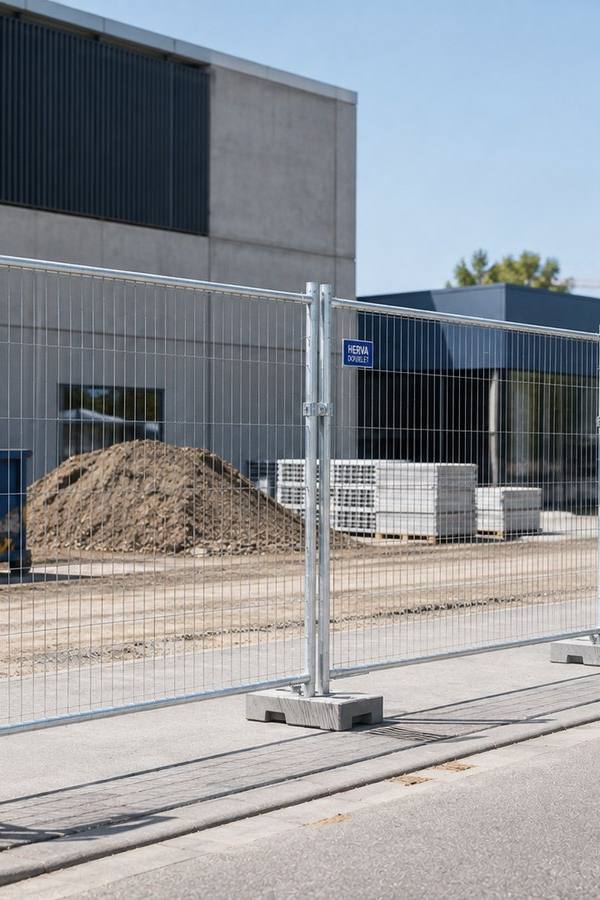
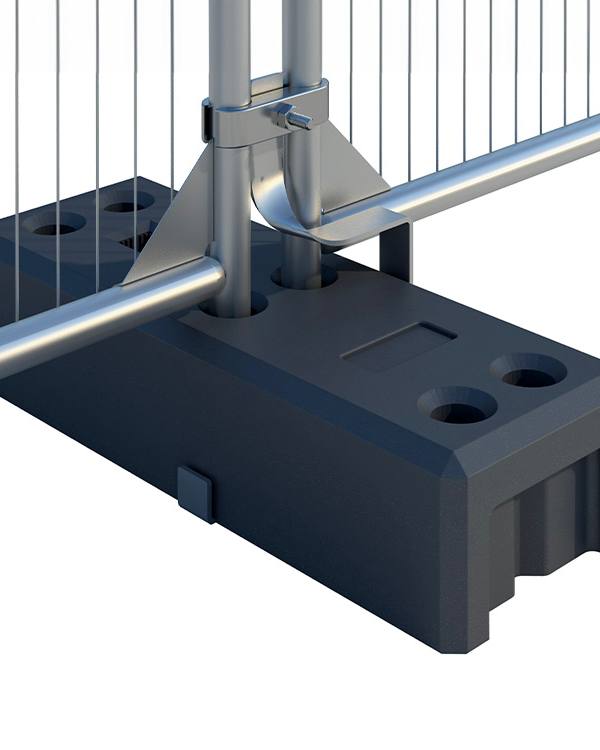
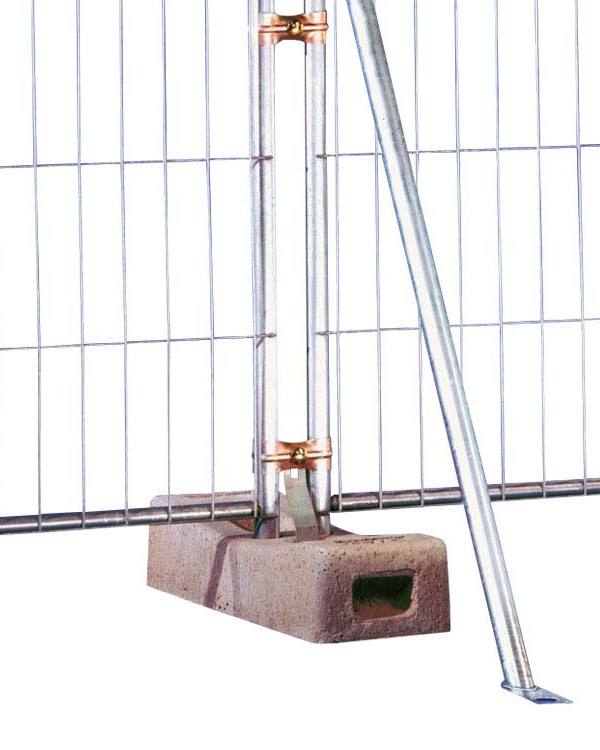
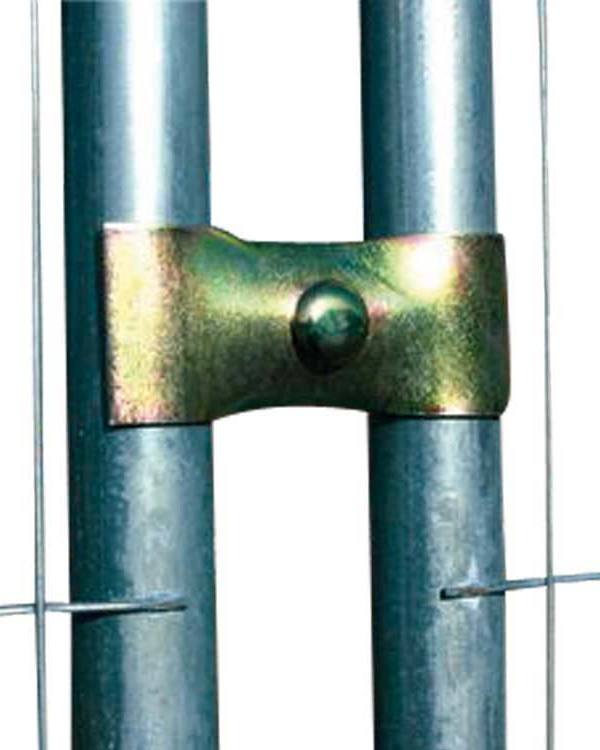
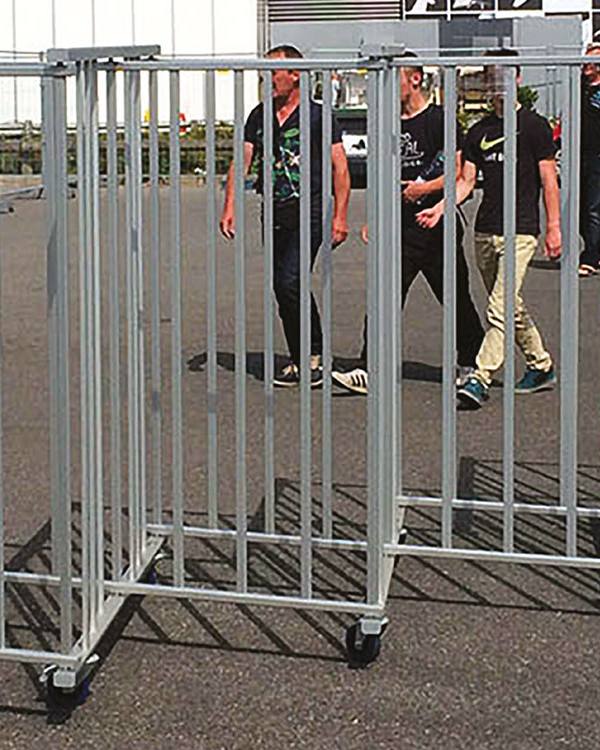
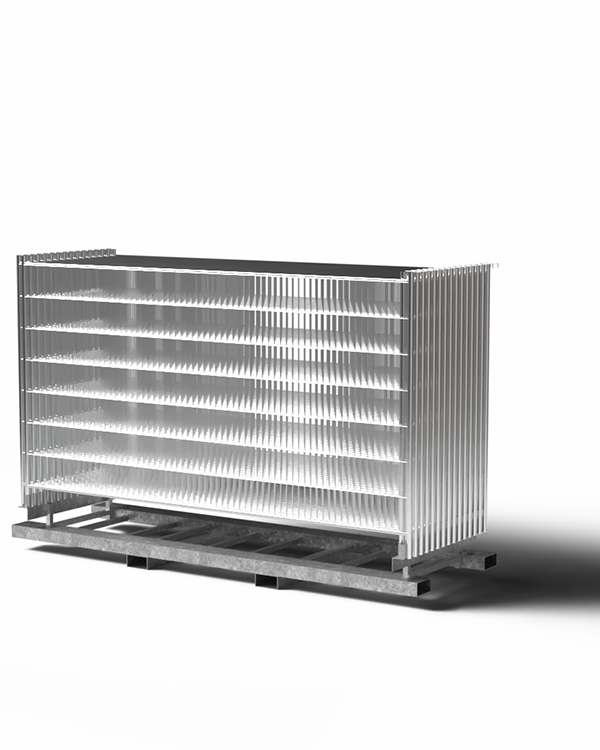
Mobile site fencing for temporarily closing off works and zones. Sturdy, stackable and reusable, and can be dressed with a printed banner.
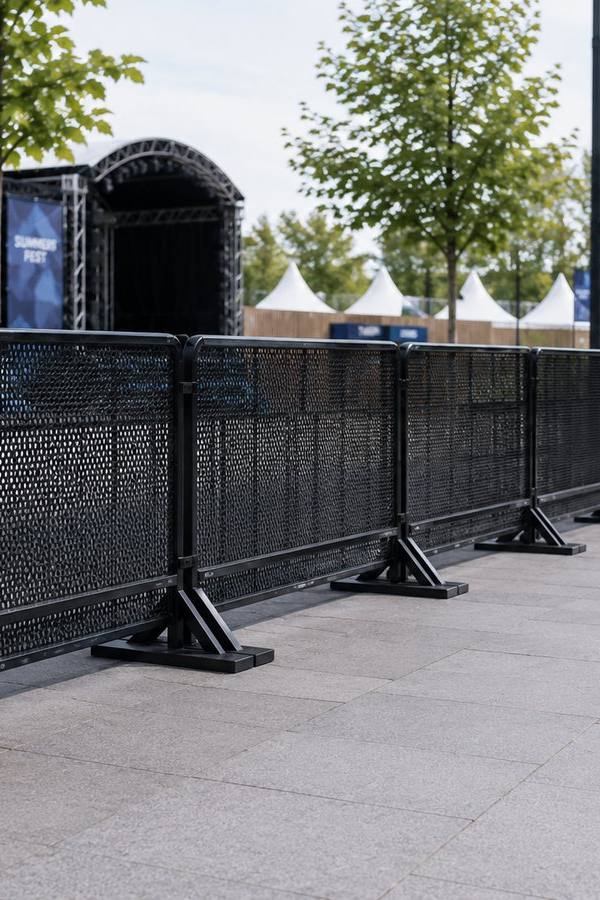
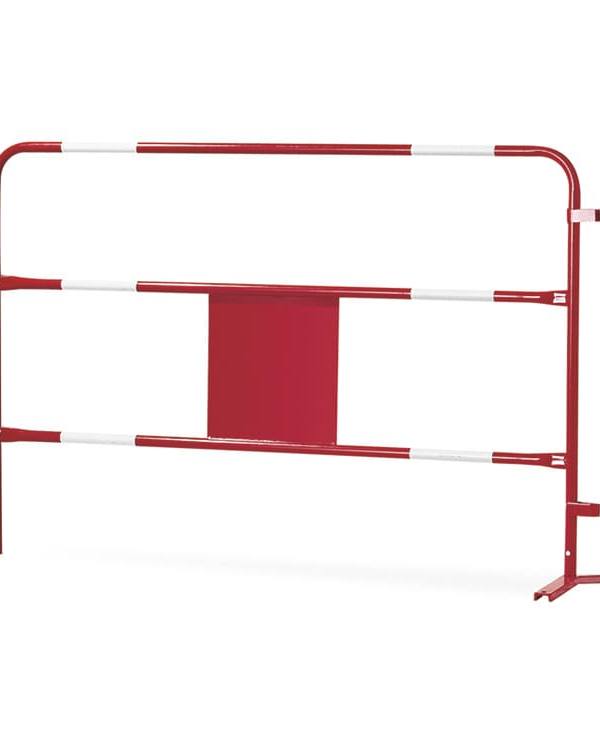
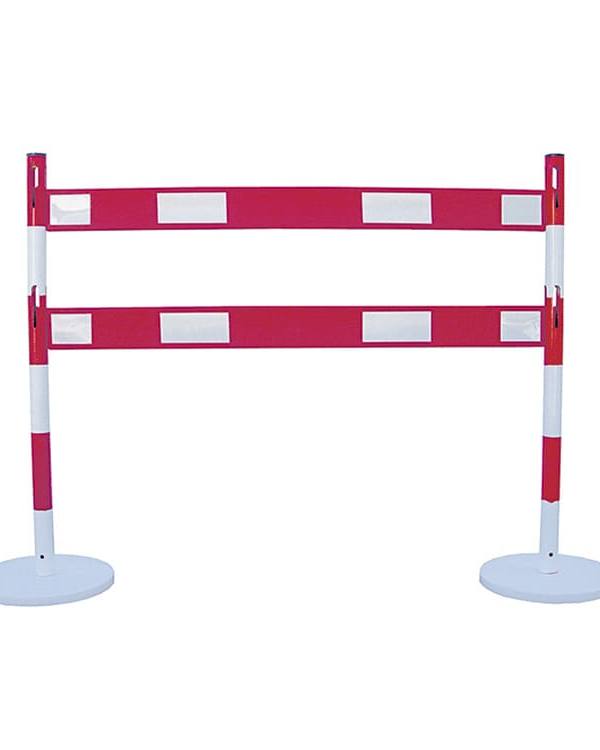
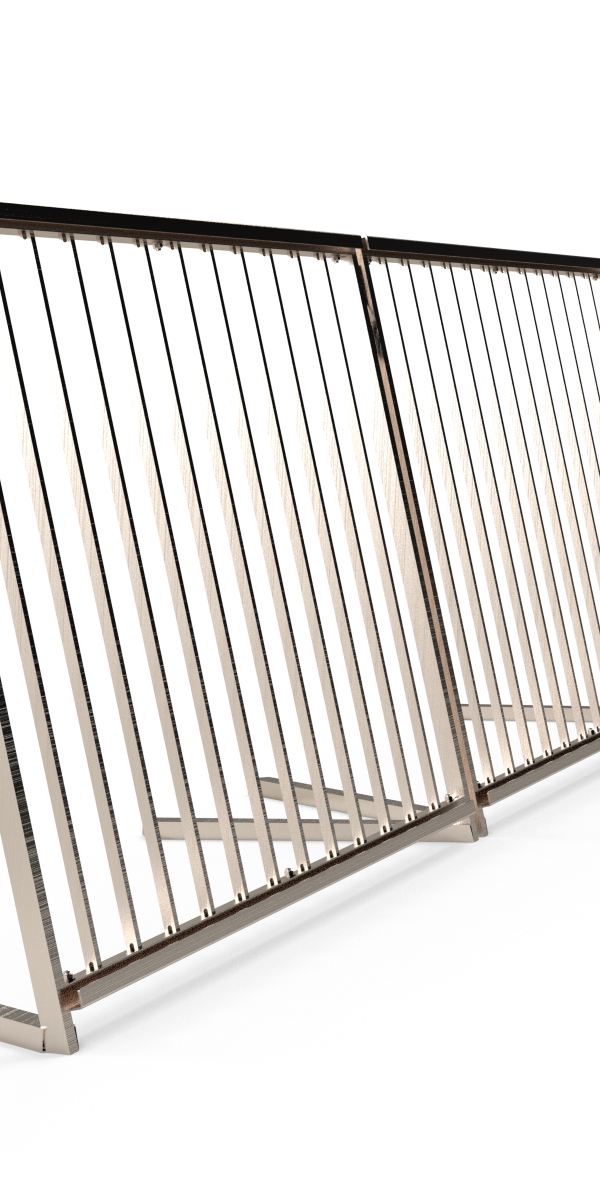
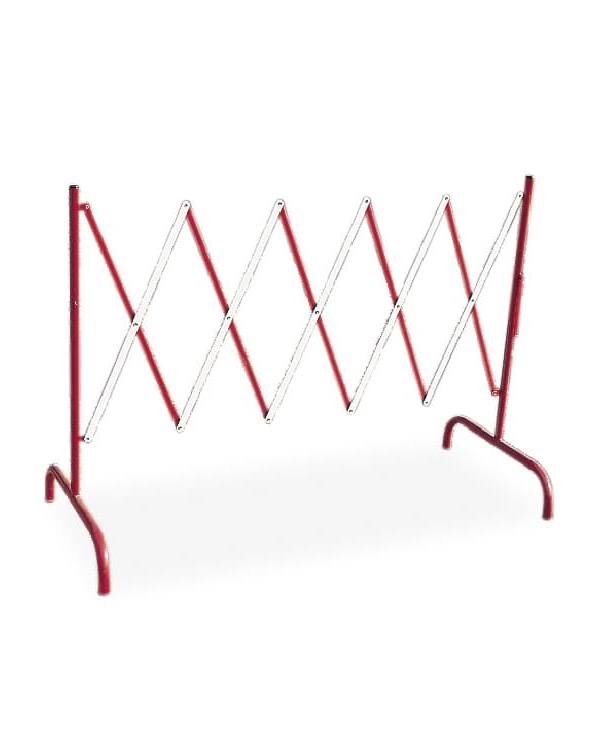
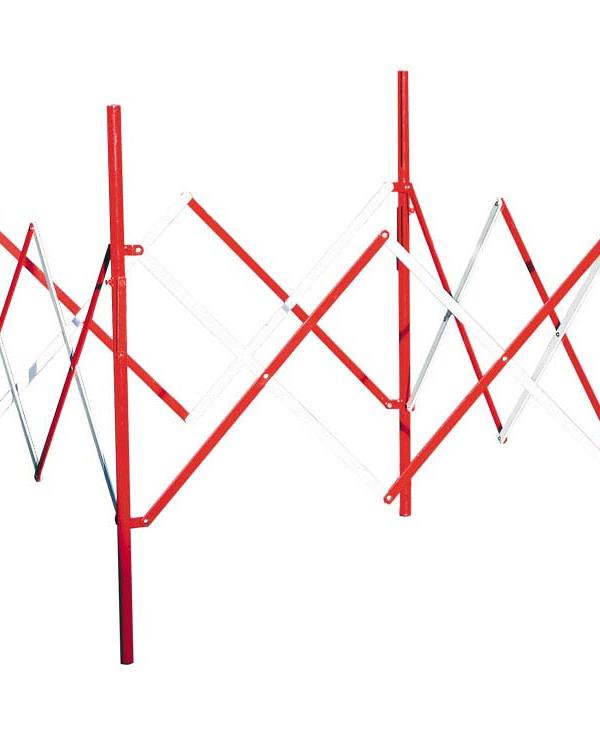
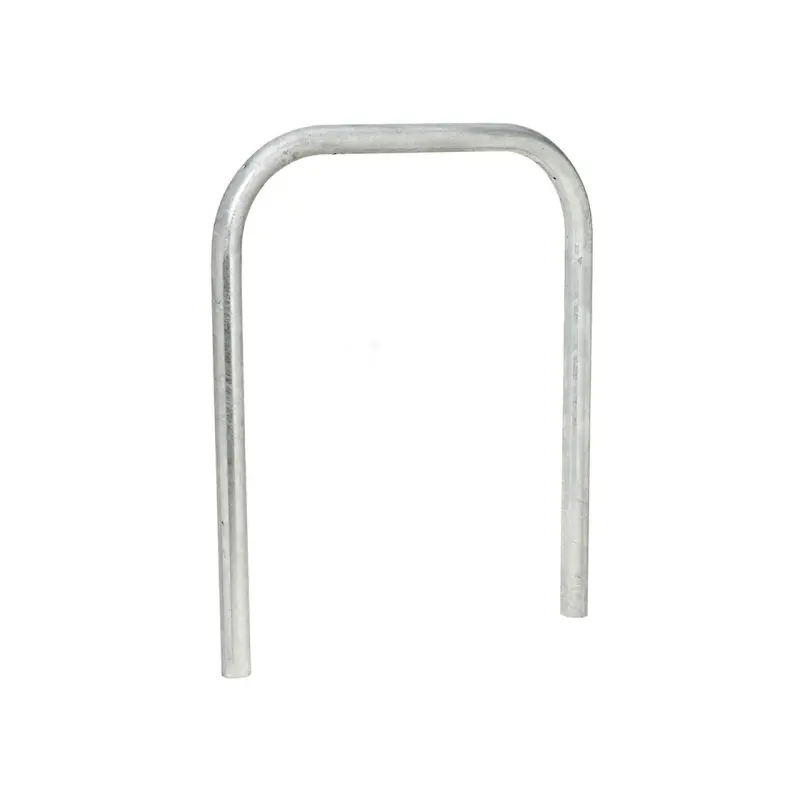
Sturdier barriers for situations with larger crowds or higher risk. For events, crowd control and site security.



From first sketch to maintenance — one partner who handles everything in-house.
You call one number. We measure, design, produce, install and maintain. No fragmented responsibility, no waiting on subcontractors pointing at each other.
A 3D visualisation of your own façade or space, by day and by night. We only start producing once that image is right. No surprises afterwards.
Custom work from our own workshops, without intermediaries. That means a shorter lead time, a sharper price, and changes that are genuinely still possible.
ISO 9001 and ISO 14001. Colourfast, weather-resistant materials and energy-efficient LED lighting. With long-term service and maintenance.
A crowd barrier — in Flanders almost always called a nadar barrier — is meant to guide the public. It stands along a route, around a stage or along a procession, goes up fast, links to the next barrier and is light enough for two people to move.
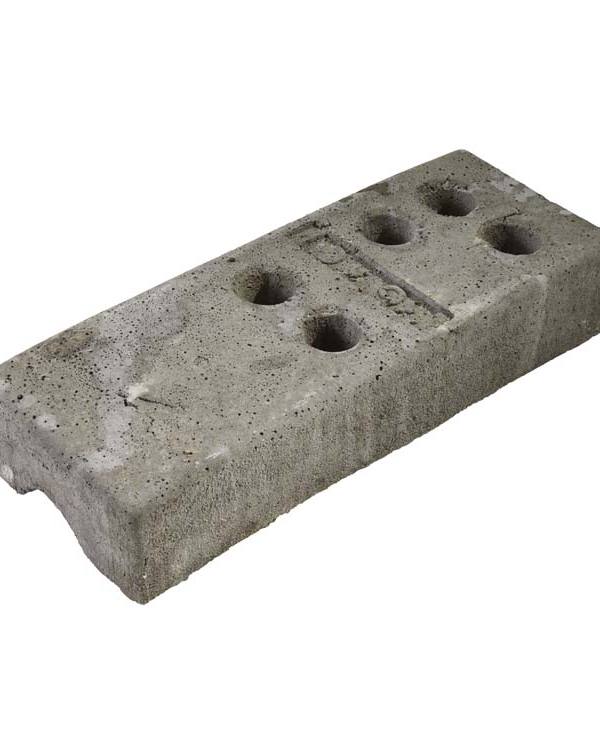
A site fence closes off a building site. It is taller, stands in concrete feet and is meant to keep unauthorised people out, not to hold back a crowd.
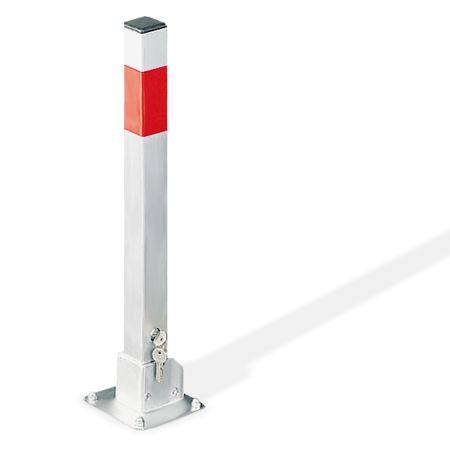
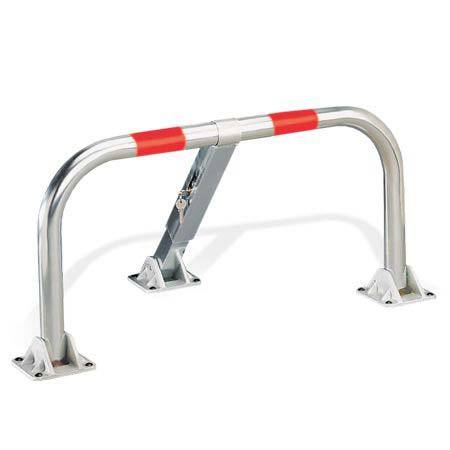
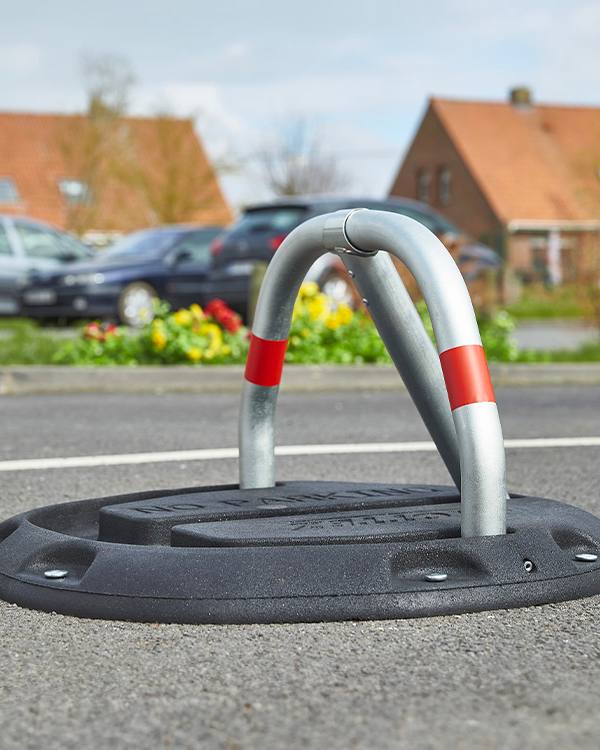
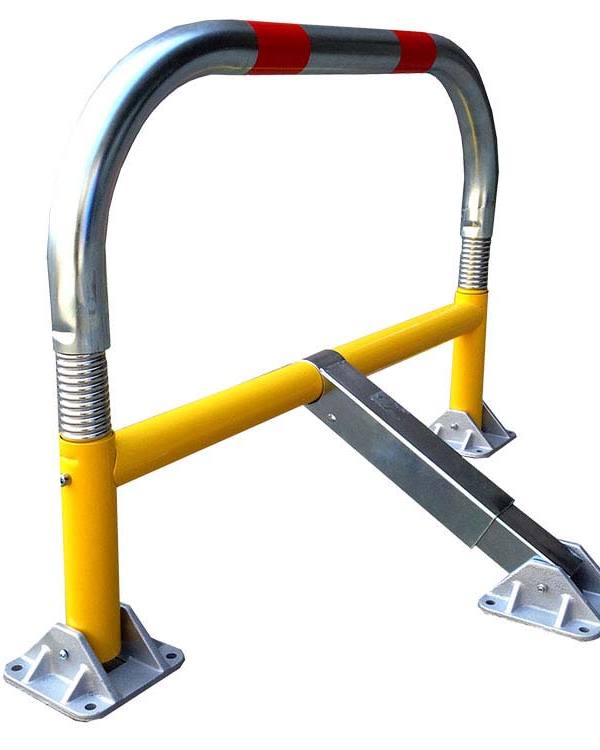
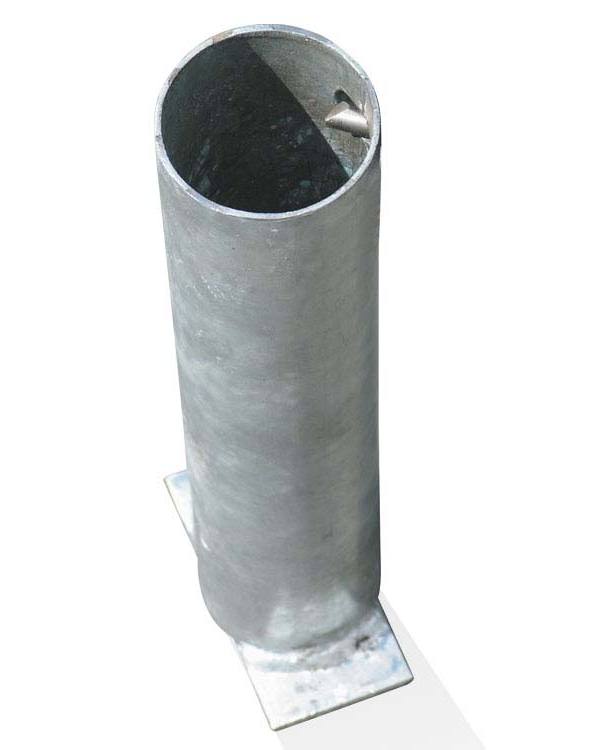
A safety barrier or pedestrian guardrail is a permanent structure: fixed to the ground, meant to separate pedestrians from the carriageway or to stop people crossing at a dangerous point. This is street furniture, not temporary equipment.
The mistake made most often is using a crowd barrier where a guardrail belongs. A nadar barrier is not anchored and will not hold back a pushing crowd; it marks a line. Where real force comes onto it — a descent in a cycle race, the exit of a stadium — different equipment is needed.
Hot-dip galvanised steel is the standard for all three. It does not rust through, takes bad weather and survives the rough handling that barriers inevitably get: stacked, thrown, moved with a forklift. Powder-coated steel appears on permanent guardrails where the colour has to fit the streetscape.
A row of barriers is a continuous surface at eye level, exactly where the public stands or passes. With printed banners or covers that row becomes, in one go, a sponsor carrier, an announcement or a screen for whatever is happening behind it.
For open, windy sites use polymesh rather than solid PVC — a row of closed banners along a straight run behaves like a sail.
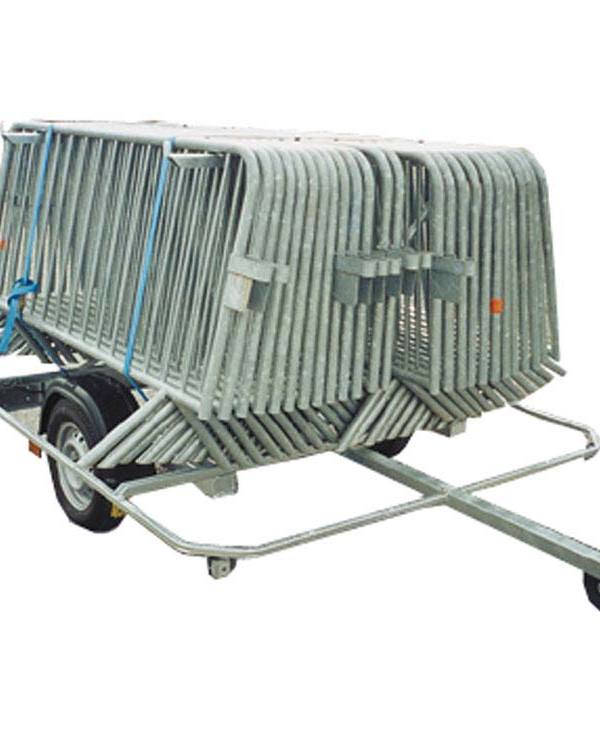
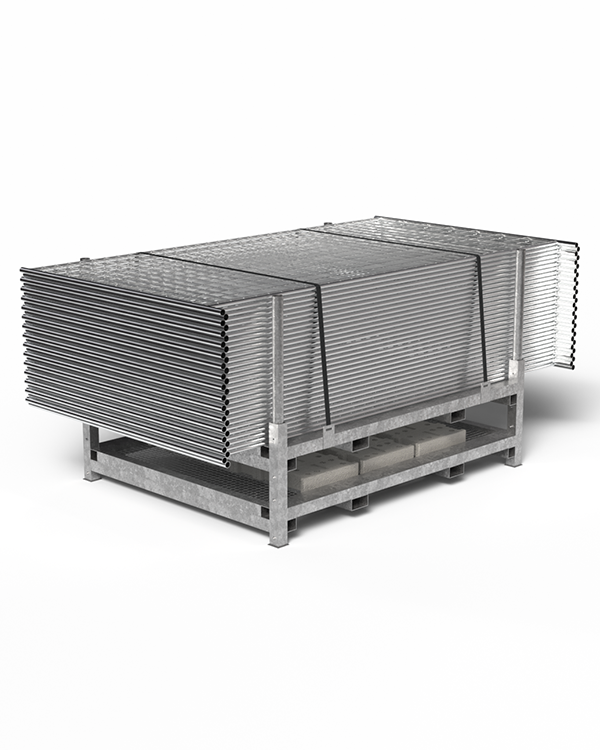
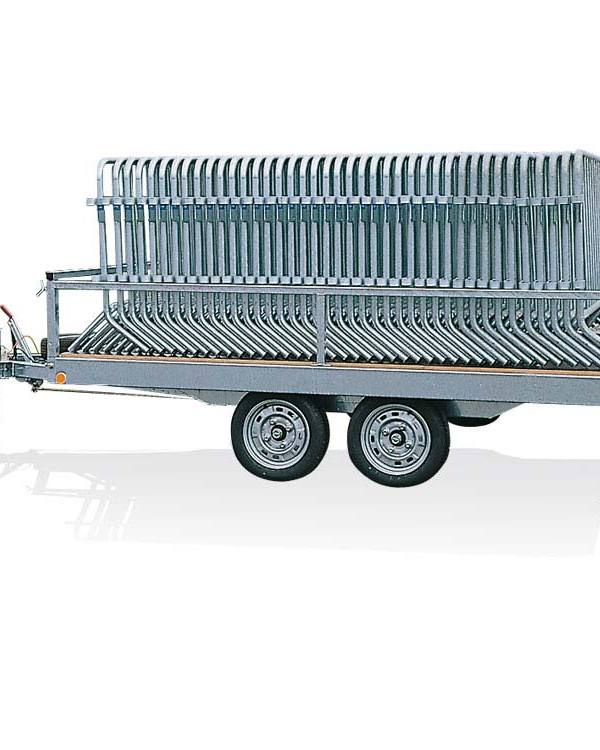
Barriers tend to be forgotten in the sums until they are delivered. They stack, but a run of a hundred takes up serious space and needs a trailer or a lorry to move. If you use them once a year, weigh buying against hiring; if you work with them every month, buy.
The type of barrier and the quantity form the basis. After that come the weight and the specification, whether feet are included, whether couplings are supplied and whether printed banners or covers are added. For permanent guardrails there is the anchoring, and that depends on the ground.
We supply the barriers, print the banners and covers to size and install permanent guardrails. Tell us how many running metres you have to close off, what it is for and whether it is temporary or permanent — and it is immediately clear which of the three types it should be.
What you see here is a selection. Our range is considerably wider — in sizes, materials and finishes that we cannot all show online. Tell us what you need it for and where it has to go, and we will work out what fits.
Ask your questionRequest access to our Herva-Doublet Platform. We review your request personally.